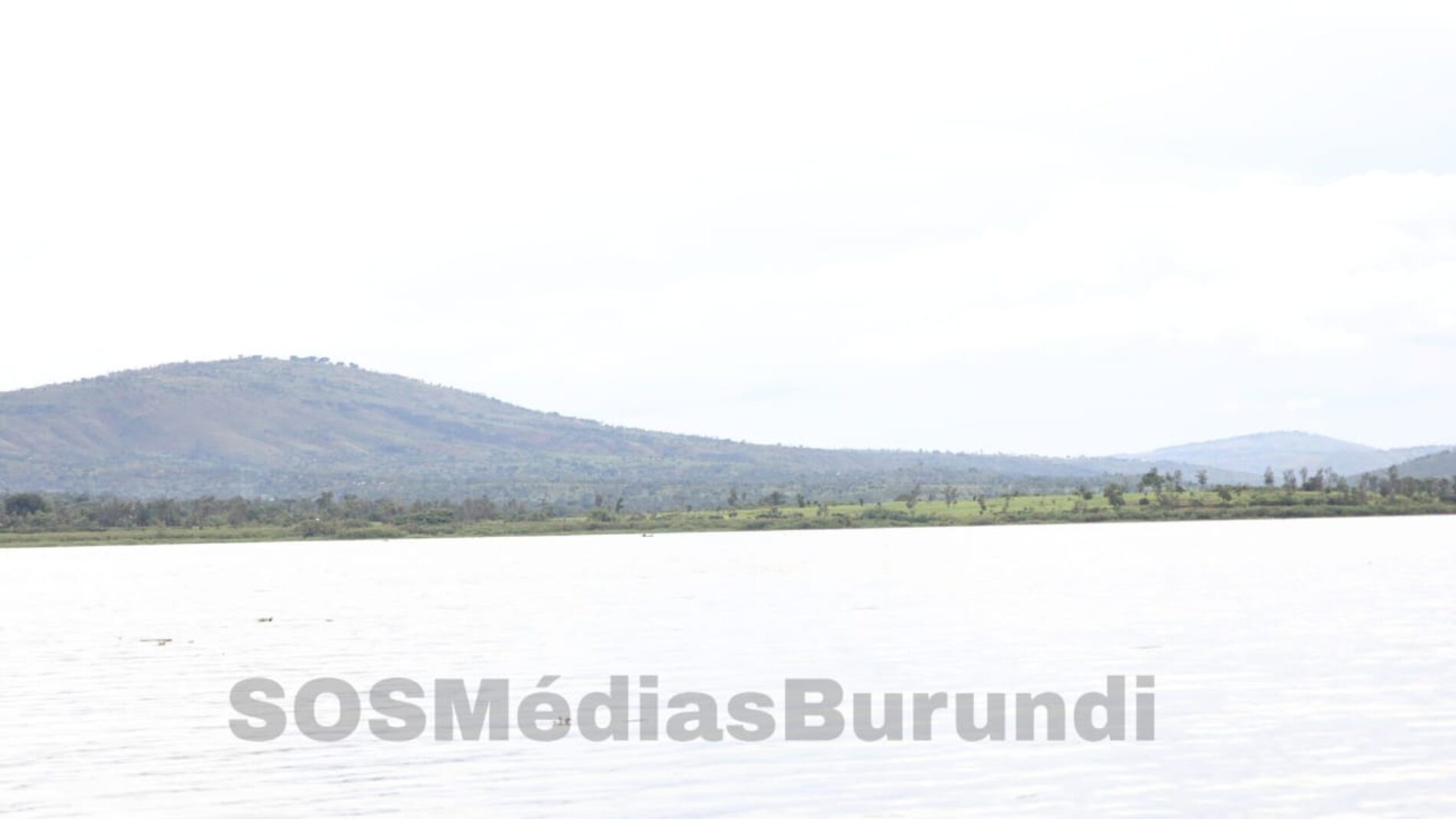
An exchange of fire occurred between Burundian and Rwandan forces on Lake Cohoha on Monday evening, September 1, 2026, following a presumed incursion by Rwandan soldiers, according to the Burundian National Police (PNB). The incident, which unfolded around 5:30 PM (17h30) near Cimo hill, located in the Kiri zone of Kirundo province, Butanyerera, saw Burundian forces reportedly fire warning shots. This action prompted a response with gunfire from the Rwandan military before they ultimately retreated from Burundian territory. The PNB stated that no casualties or significant material damage resulted from the incident, despite the intensity of the brief confrontation.
Incursion and Confrontation Details
The precise sequence of events leading to the exchange of fire began when Burundian children, who were fishing on Lake Cohoha, inadvertently crossed into Rwandan territory. Local sources and the Burundian National Police (PNB) confirmed that these children were subsequently pursued by Rwandan Marines. It is alleged that these Rwandan Marines then crossed the maritime border into Burundi while continuing their pursuit. This alleged incursion escalated the situation, leading to the direct confrontation between the military forces of both nations.
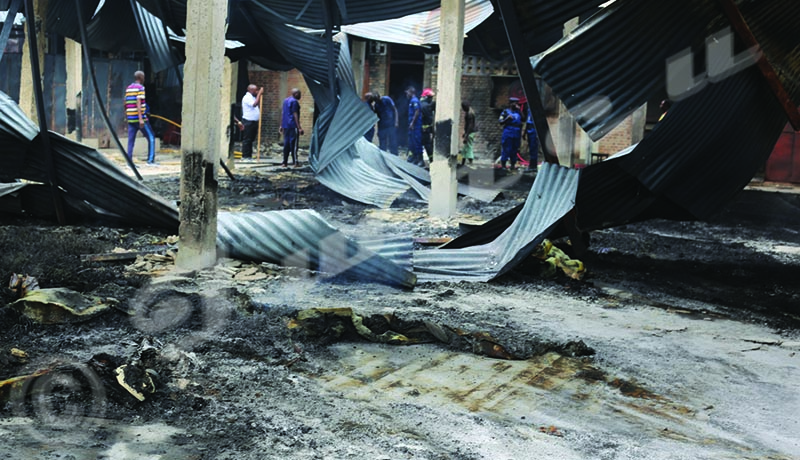
Burundian police and army units were swiftly deployed and intervened to repel the Rwandan military, actively pushing them back across the shared border. During the confrontation, a portion of vegetation near the border was reportedly set ablaze, adding to the chaotic scene. Local sources reported that the Rwandan military remained on Burundian territory for approximately one hour during this incident before being repelled. The presence of the Rwandan military on Burundian soil for this duration shows the seriousness of the alleged incursion.
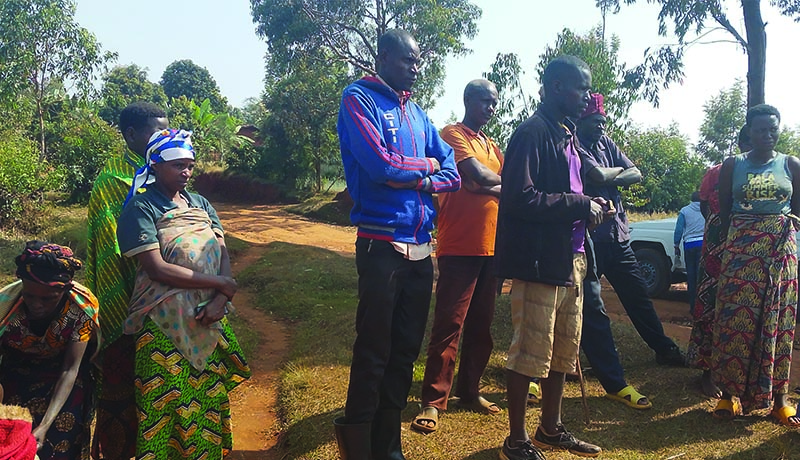
The situation also involved the children who were initially fishing. While some of these children were unlocated immediately after the event, causing initial concern, others later returned to shore and were safely reunited with their families. The incident notes the inherent dangers faced by local populations, particularly children, in border regions where demarcation lines can be ambiguous or easily crossed.
Broader Regional Tensions
The incident on Lake Cohoha unfolded amid particularly strained relations between Burundi and Rwanda. Both nations have frequently exchanged accusations, alleging that the other supports hostile armed groups operating across their shared border. These mutual suspicions have deeply impacted bilateral relations, fostering an environment of mistrust and heightened security concerns. The heightened tensions led Burundi to take a drastic measure by closing its land border with Rwanda in January 2024, further complicating diplomatic and economic ties between the two East African countries.
The border closure represented a significant deterioration in their bilateral relationship, which has seen periods of cooperation interspersed with deep mistrust and security concerns. This move was a direct response to ongoing disputes and mutual suspicions regarding regional stability and the perceived presence and activities of armed factions. The closure has had substantial implications for cross-border trade and the movement of people, further isolating the two nations from each other. The ongoing accusations of supporting hostile groups continue to fuel the animosity and contribute to the fragility of peace in the Great Lakes region.
Local Perspective and Border Issues
Local sources and the Burundian National Police (PNB) reiterated that the initial trigger for the incident involved Burundian children fishing on Lake Cohoha who had inadvertently crossed into Rwandan territory. The subsequent pursuit by Rwandan Marines, who then allegedly crossed the border into Burundi, transformed a minor border transgression into a significant military confrontation. The local accounts emphasized the alleged presence of Rwandan military personnel on Burundian territory for approximately one hour, a detail that shows the severity of the alleged incursion from Burundi's perspective.
Such occurrences are not uncommon, with local sources indicating that similar incidents happen regularly on this part of Lake Cohoha. This regularity is primarily attributed to challenges in accurately demarcating the maritime border between the two countries. The lack of clear physical markers or universally agreed-upon boundaries in the lake makes it difficult for local inhabitants, including fishermen, to ascertain their exact location relative to the international border. This ambiguity often leads to accidental crossings and subsequent disputes, which can sometimes escalate into more serious confrontations, as witnessed on Monday evening.
Following the confrontation and the retreat of Rwandan forces back across the border, the situation on the Burundian shores of Lake Cohoha has reportedly returned to calm. However, the underlying issues of border demarcation and regional tensions remain, suggesting that without a resolution to these fundamental problems, similar incidents could recur in the future. The PNB's confirmation of no casualties or significant material damage was a relief, but the event serves as a stark reminder of the volatile nature of the Burundian-Rwandan border.