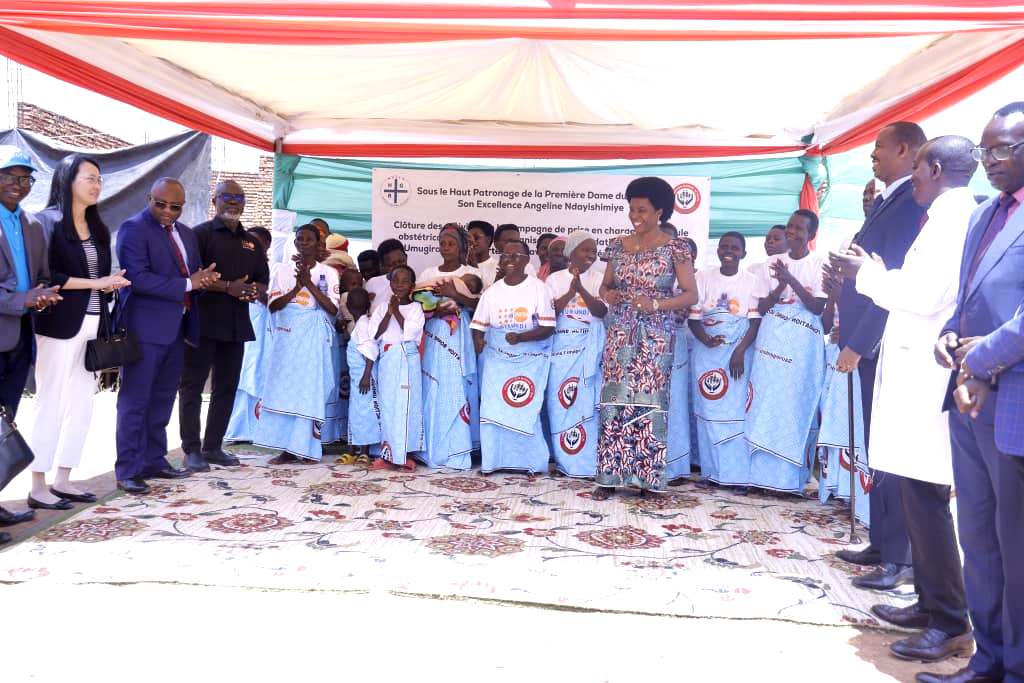
Burundi concluded its obstetric fistula management campaign with closing ceremonies held in Gitega on Wednesday, September 2, 2026. The campaign, which commenced on August 24, 2026, focused intensively on providing key medical intervention for women suffering from obstetric fistula. This initiative offered specialized care to those affected by the debilitating condition. Following the successful execution of the campaign, the health status of the 28 women who underwent surgery during the campaign is currently considered satisfactory, marking a positive outcome for the participants. The full medical attention provided aimed not only at physical recovery but also at improving the overall quality of life for these women.
Campaign Details and Collaboration
The campaign was meticulously organized by the Fondation Bonne action Umugiraneza in a significant partnership with the Hôpital régional de Gitega. This strategic collaboration proved instrumental in facilitating the intricate medical interventions provided throughout the initiative, ensuring that resources and expertise were effectively pooled. A key aspect of the campaign involved an international collaboration: specialist doctors from Ethiopia and Tanzania worked diligently alongside their Burundian counterparts. This joint effort fostered an environment of shared learning and expertise, directly contributing to the high standard of care offered to patients. Their collective involvement showed a strong international collaborative effort specifically designed to address the persistent challenge of obstetric fistula in Burundi. The joint operation was strategically aimed at enhancing local medical capabilities and infrastructure, while simultaneously providing essential and life-changing surgical services to women in need. The partnership model allowed for a more efficient allocation of resources and a broader reach in terms of patient care.
The Broader Impact of Fistula
Obstetric fistula is characterized as a significant health challenge that extends far beyond immediate medical concerns, profoundly impacting families and society at large. This debilitating condition carries severe consequences for socioeconomic development, directly affecting women's ability to participate fully and meaningfully in community life and economic activities. Women suffering from fistula often face social isolation, discrimination, and economic hardship, which further compounds their suffering. Addressing the issue therefore involves a holistic approach, recognizing its broader implications for individuals, their immediate families, and the wider communities they belong to. The long-term effects of fistula can perpetuate cycles of poverty and inequality, making intervention critically important for societal progress.
Prevention is identified as a key and indispensable method for significantly reducing the incidence of obstetric fistula. Proactive measures are considered absolutely essential to mitigate the condition's prevalence, rather than solely focusing on treatment after it has already occurred. To this end, pregnant women are strongly advised to attend regular prenatal consultations. Such consultations are specifically intended to ensure proper medical oversight throughout pregnancy, allowing healthcare providers to identify potential complications early and provide timely guidance that can help prevent the development of obstetric fistula. These regular check-ups are vital for monitoring maternal health and ensuring safe delivery practices.
First Lady's Support and Call
First Lady Angeline Ndayishimiye attended the closing ceremonies for the fistula management campaign in Gitega, lending her significant support to the initiative. During the event, Mrs. Ndayishimiye delivered a powerful message, emphasizing the critical importance of prevention alongside treatment in effectively addressing obstetric fistula. She stated unequivocally, "For Angeline Ndayishimiye, the fight against obstetric fistula must not be limited to treating women already affected. Prevention also constitutes an essential means of reducing this disease." Her remarks noted a full strategy for tackling the condition.
A total of 28 women directly benefited from surgical intervention during the campaign, receiving critical medical care that promises to restore their health and dignity. Beyond the immediate campaign, the First Lady extended her call to parents, urging them to ensure regular health check-ups for their children. She specifically noted that some congenital diseases affecting intimate parts can be detected and treated early, showing the importance of proactive pediatric care. Her remarks underlined a forward-thinking and proactive approach to women's and children's health, advocating for early detection and intervention. Additionally, demonstrating her unwavering commitment, Mrs. Ndayishimiye personally provided food and non-food items to the women affected by fistula, offering direct and tangible support to those who underwent treatment and are now on their path to recovery. This gesture provided immediate relief and comfort to the beneficiaries.