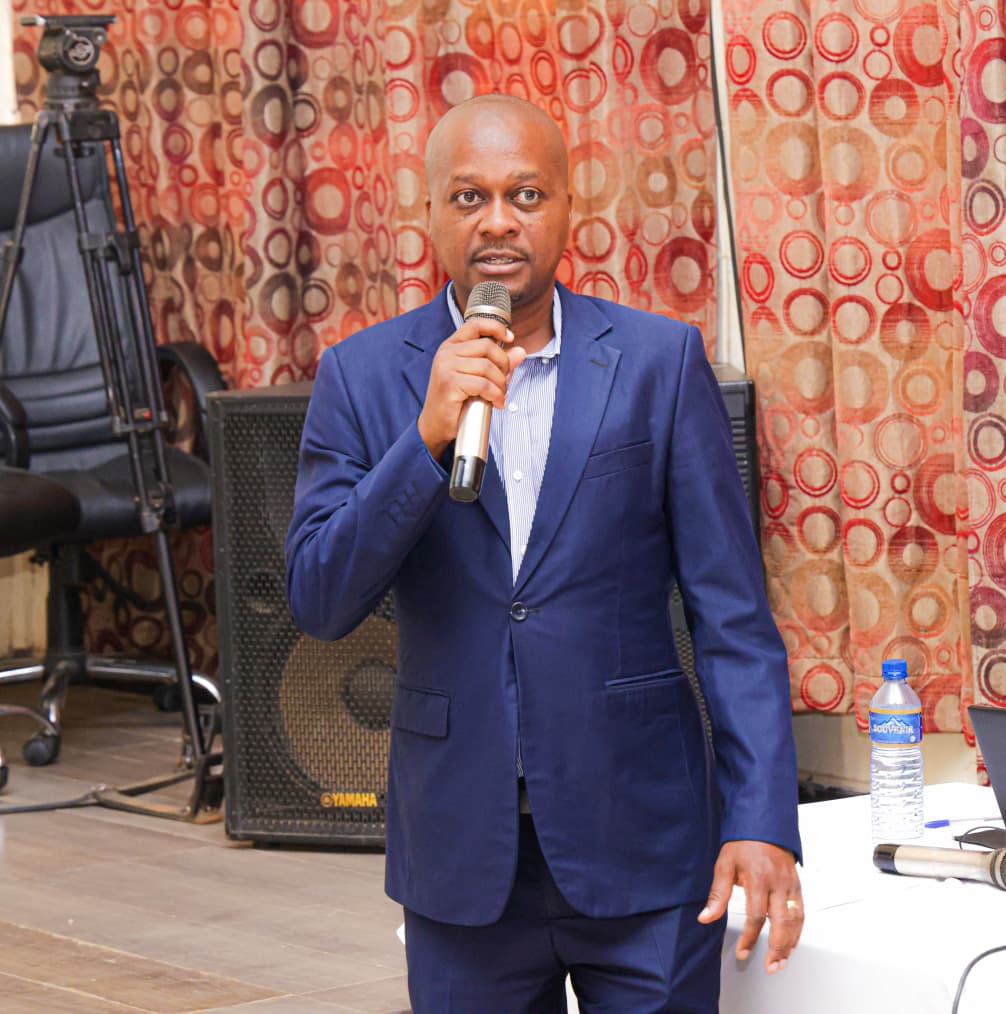
Burundi commemorated the 24th African Traditional Medicine Day in Bujumbura on August 31, 2026, noting the enduring role of traditional healing practices in the nation. The observance comes as approximately ninety percent (90%) of the Burundian population relies on traditional medicine for their healthcare needs. The event shows the significant integration of these age-old methods into the country's health landscape, emphasizing the continued importance of indigenous healing practices. The theme for the 24th African Traditional Medicine Day centered on 'reflection on research and development efforts in traditional medicine for the implementation of universal coverage in the African region', pointing to the strategic direction for these practices.
Official Recognition and Growth
Official recognition of traditional medicine in Burundi has advanced significantly, marked by the creation of the Directorate for the Promotion of Traditional Medicine, Balanced Diet, and Natural Diet for Therapeutic Purposes. This directorate was established by presidential decree on November 20, 2020. Dr Aimé Fabrice Niyonkuru serves as the director of the service for the promotion of traditional medicine at the Ministry of Public Health. He stated that the World Health Organization defines traditional medicine as "the sum total of the knowledge, skills, and practices based on the theories, beliefs, and experiences indigenous to different cultures, whether explicable or not, used in the maintenance of health as well as in the prevention, diagnosis, improvement or treatment of physical and mental illness." This definition provides a full framework for understanding the scope of traditional healing.
The National Network of Traditional Practitioners' Associations of Burundi (RNATB) has also been created, establishing branches in all provinces across the country. This extensive network ensures a broad reach for the coordination and professionalization of traditional medicine. Approximately one thousand (1000) traditional practitioners have been registered within the RNATB. These practitioners are tasked with several key missions, including promoting the local production of improved traditional medicines, thereby fostering self-sufficiency in healthcare resources. Another key mission involves evaluating the safety, efficacy, and quality of plant-based medicines, ensuring that remedies are both effective and safe for public consumption. Their responsibilities also extend to creating botanical gardens and medicinal plant gardens in each province, which serve as vital resources for cultivating and preserving medicinal plants, alongside strengthening the capacities of traditional practitioners through training and support.
Defining Traditional Medicine
The theme for the 24th African Traditional Medicine Day, 'reflection on research and development efforts in traditional medicine for the implementation of universal coverage in the African region', noted the importance of scientific rigor in advancing these practices. The World Health Organization defines traditional medicine as the cumulative knowledge and practices, whether explicable or not, applied for diagnosing, preventing, or treating physical or mental illnesses. This definition emphasizes practices rooted in experience and observations passed through generations, forming a rich heritage of health knowledge. Despite its long history and widespread use, structured research into traditional medicine in Burundi has only been underway for a few years. This recent focus on research aims to integrate traditional practices more formally into healthcare systems, ensuring evidence-based application and broader acceptance.
Challenges and Recommendations
The integration of traditional medicine in Burundi faces several challenges, including the absence of a permanent multidisciplinary team dedicated to its advancement. Such a team would be key for coordinating research, development, and policy implementation. Further obstacles include a lack of necessary equipment for preparing plant-based products, which are central to many traditional remedies, limiting the capacity for standardized production. The country also lacks a pharmacy faculty at the University of Burundi, hindering the formal education and research required to professionalize traditional medicine practices and ensure a steady supply of qualified professionals.
Participants at the Traditional Medicine Day event offered recommendations to address these issues. They suggested that provincial and communal administrations actively support the census and mapping of local traditional practitioners. This initiative aims to better identify and organize the existing network of healers across the country, providing a clearer picture of available resources and expertise. This mapping would also facilitate better regulation and support for practitioners.
Additionally, participants urged the Ministry of Public Health to expedite the publication of implementing texts that would allow for the establishment of licensed traditional medicine dispensaries. These regulatory frameworks are considered key for formalizing the distribution and sale of traditional remedies, ensuring quality control, and integrating them more effectively into the national healthcare system, thereby enhancing public trust and access.