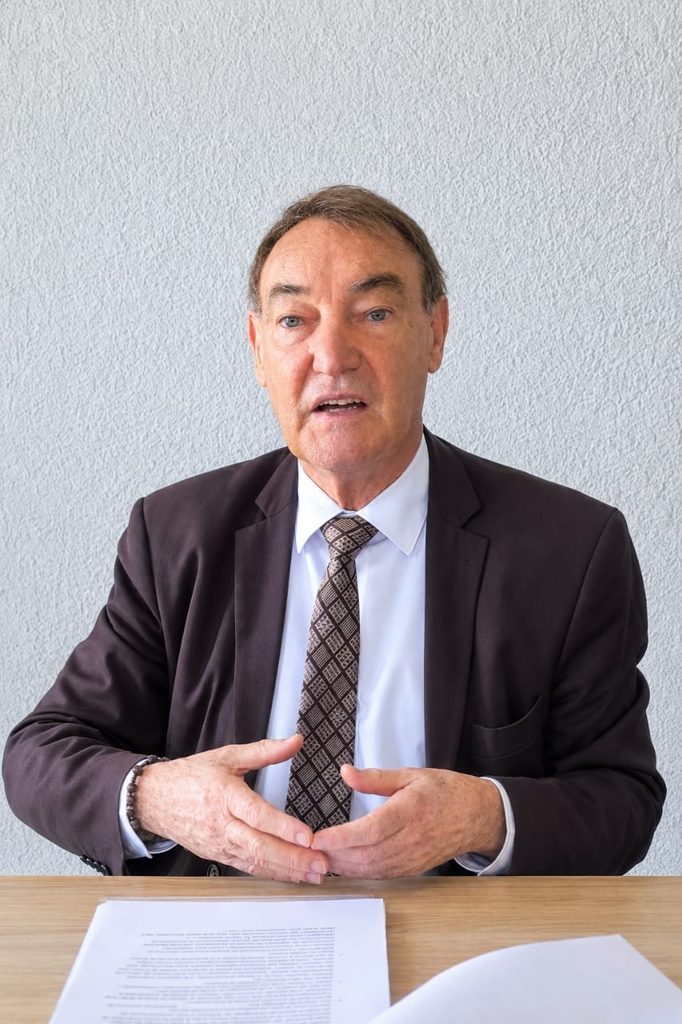
Incendies regularly ravage markets and commercial establishments across Burundi, eliminating savings and sole income sources for many traders, leaving a devastating impact on countless livelihoods. In response to this ongoing crisis, Jean Paul Roux has proposed the creation of a mandatory Fire Insurance Pool for all Incendie-Accidents et risques divers (IARD) insurers operating in the country. This strategic initiative aims to provide much-needed financial protection and stability. Roux noted a "recrudescence des sinistres incendie sur les marchés burundais et établissements commerciaux au cours de ces 5 dernières années," including the destructive 2013 central market fire, which have significant economic, social, human, and financial consequences for the nation.
Roux attributes the increase in fires affecting small traders to critical systemic issues such as "l’anarchie des installations électriques, l’absence de dispositif de sécurité bien adapté, des moyens d’intervention plus efficaces." He stated unequivocally that a Public-Private Partnership (PPP) is essential to address these challenges effectively. Within this framework, the state would bear responsibility for key public functions including regulation, urban planning, market modernization, ensuring access for fire departments, providing emergency infrastructure, and enforcing safety standards. Meanwhile, insurers would concentrate their efforts on prevention, ensuring prompt indemnification for affected parties, and potentially developing innovative micro-insurance mechanisms tailored to the needs of small businesses. "Le rôle de l’Etat s’articule autour de la régulation publique," Roux explained, emphasizing the urgent need for an inter-ministerial committee operating under the Prime Minister's direct authority to coordinate these efforts and ensure full oversight.
The Widespread Threat of Market Fires
Market fires have historically posed a significant and recurring threat to commercial activity in Burundi, with a notable and devastating incident being the central market fire in 2013. Such events have consistently devastated the livelihoods of countless traders, often wiping out their entire savings and sole sources of income in a single catastrophic event. The emotional and financial toll on families and communities is immense, noting the urgent need for strong protective measures.
Despite the persistent and well-documented risk, the penetration of fire insurance among merchants remains exceptionally low. Data indicates that less than 10% of merchants in Africa and Burundi are reportedly insured against fire incidents. This alarming statistic leaves a vast majority of traders acutely vulnerable to complete financial ruin following a fire, showing a critical and widespread gap in risk management and financial protection within the commercial sector. This lack of coverage perpetuates a cycle of poverty and instability for those most affected by these unpredictable disasters.
Roux's Vision for Insurance Pools
Jean Paul Roux has identified a public-private partnership (PPP) as the fundamental and most effective solution for safeguarding merchants against the devastating consequences of fire incidents in Burundi. "I think that the Public-Private Partnership (PPP), with public authorities and insurers, is in any case the heart of the system to be set up in Burundi," Roux stated, emphasizing that this collaborative partnership would clearly define the responsibilities expected from both the state and insurers to significantly reduce losses and mitigate risks. He specified that the state's multifaceted role would revolve around "public regulation," encompassing vital areas such as urban planning, the modernization of market infrastructure, ensuring adequate emergency infrastructure, establishing and enforcing rigorous safety standards for electrical installations, and conducting thorough judicial investigations into fire causes. Insurers, according to Roux, are expected to play a key role in adhering to safety rules, actively engaging in prevention efforts, and promptly indemnifying insured parties by mobilizing expert resources for assessment and payout.
Roux further estimated that, under this proposed framework, merchants could realistically expect to receive indemnification within 40 days after a claim has been filed, provided all necessary procedures are meticulously followed. "Concerning the procedure and taking into account the deadlines for reporting the claim, estimating the losses and verifying the expert's report, the cost of the work, I estimate that the occupant of the damaged premises can be indemnified before 40 days," he explained, offering a tangible timeline for recovery. He cautioned, however, that "each claim has its particularity," stressing that the overarching aim is to restore the merchant to their previous commercial condition as quickly and efficiently as possible, which he described as "the basic rule for indemnifying a claim in insurance." This commitment to swift resolution is central to minimizing business interruption and financial hardship.
Mandating Safety and Compliance
Insurers in Burundi are expected to uphold stringent safety regulations, prioritize proactive preventive measures, and ensure timely compensation for insured parties following incidents. This commitment from the insurance sector is key for building trust and ensuring the efficacy of the proposed system. Concurrently, the state is tasked with a full and proactive role in fire prevention and security, which includes implementing strategic urban planning initiatives, undertaking the modernization of market infrastructure, establishing clear and enforceable safety norms, guaranteeing clear and unimpeded access for fire departments, and providing essential emergency aid when disasters strike. This dual responsibility ensures a holistic approach to risk management.
Market managers bear a significant responsibility for ensuring strict adherence to these safety standards within their respective premises. This involves diligently monitoring the integrity and safety of electrical installations and meticulously maintaining rescue infrastructure to effectively mitigate risks. To enhance overall market safety and promote responsible commercial practices, market managers are instructed to allocate commercial spaces exclusively to merchants who consistently comply with proper storage conditions, refrain from handling flammable products, and can provide verifiable proof of insurance. This integrated approach aims to significantly enhance overall safety and provide strong financial protection for traders, fostering a more secure and resilient commercial environment.
Path to Insurability and Indemnity
For commercial and artisanal buildings, a decree or regulation should mandate full fire and explosion insurance. This mandatory coverage would extend to the buildings themselves, their installations, the merchandise stored within, and the stock held by traders, ensuring broad protection against financial losses. To achieve a state of 'insurability' for markets, specific and actionable recommendations have been put forth. These include ensuring the presence of mandatory functional portable extinguishers, which must undergo annual checks to guarantee their readiness and effectiveness. Additionally, clear and unobstructed access for rescue services must be consistently maintained, allowing emergency responders to act swiftly and efficiently in the event of a fire. The implementation of 24/7 guarding is recommended to enhance security, deter arson, and provide immediate alerts in case of an incident, thereby significantly reducing fire risks and protecting valuable assets. These measures collectively aim to transform Burundi's markets into safer, more resilient, and insurable commercial hubs.