The Burundian Ministry of Environment, Agriculture and Livestock issued new conditions for fertilizer imports on 21 October 2026. These regulations mandate specific requirements for entities bringing agricultural inputs into the country.
SOS Médias Burundi reports: "L’organisation burundaise Parole et Action pour le Réveil des Consciences et l’Évolution des Mentalités (PARCEM) dénonce les conditions d’importation des engrais chimiques récemment annoncées par le gouvernement."
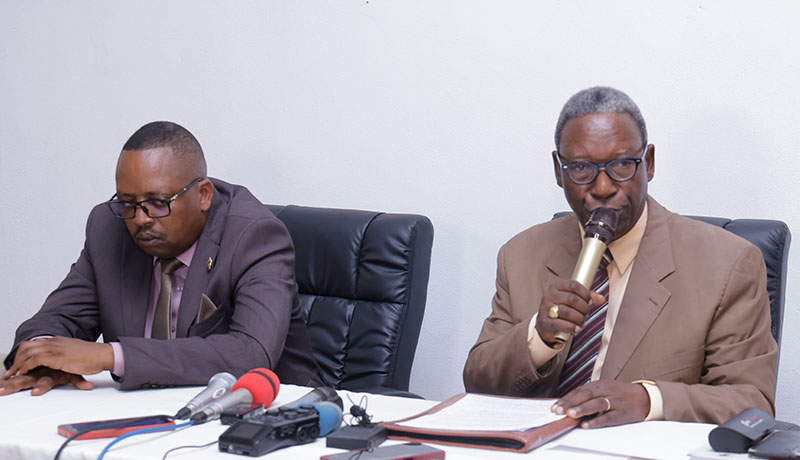
Faustin Ndikumana, representing PARCEM, expressed concerns regarding the impact of these government-imposed measures on the agricultural sector. The ministry released the directive in response to ongoing efforts to regulate chemical supplies within Burundi. Traders and agricultural stakeholders are now subject to the updated import protocols as they seek to distribute materials across regions including Gitega, Bubanza, and Bujumbura.
New Import Regulatory Requirements
Operators are now required to submit a formal letter to the Burundian Ministry of Environment, Agriculture and Livestock before finalizing any shipments. This document must specify the exact type of agricultural inputs, the total quantities intended for import, and the country of origin for the materials. These protocols apply to all entities seeking to distribute supplies throughout the country, including regions such as Gitega, Bubanza, and Bujumbura.
The ministry simultaneously announced a total ban on the import of liquid fertilizers. This prohibition represents a significant shift from previous standards for agricultural input providers. Traders must adjust their inventories to comply with these restrictions immediately. Compliance with the new submission process and the liquid fertilizer prohibition remains mandatory for all agricultural stakeholders operating within Burundi, including companies such as FOMI. The government directive aims to monitor chemical supplies entering the country from locations such as the RDC.
Payment And Distribution Schedules
The Burundian Ministry of Environment, Agriculture and Livestock extended the deadline for paying the outstanding balance for fertilizer orders to 24 October 2026. This adjustment provides additional time for agricultural stakeholders to finalize their financial obligations under the recently updated import protocols. Following the completion of these payments, the distribution of the authorized fertilizer quantities is scheduled to begin on 26 October 2026. These supplies are intended for transport and use across the country, including in the regions of Gitega, Bubanza, and Bujumbura.
Faustin Ndikumana, the director of PARCEM, criticized these new government measures on 22 October 2026. He expressed concern that the updated regulatory framework and the associated payment and distribution system could lead to a market environment controlled by a small group of privileged actors. According to his assessment, the centralized nature of these import and distribution rules risks marginalizing other participants in the agricultural sector. These logistical adjustments and the accompanying public criticism reflect the ongoing debate surrounding the state’s role in managing chemical inputs for farmers operating within Burundi.