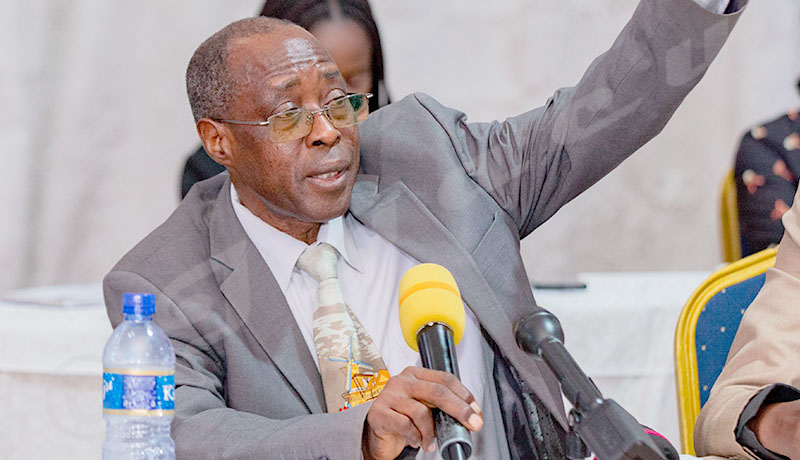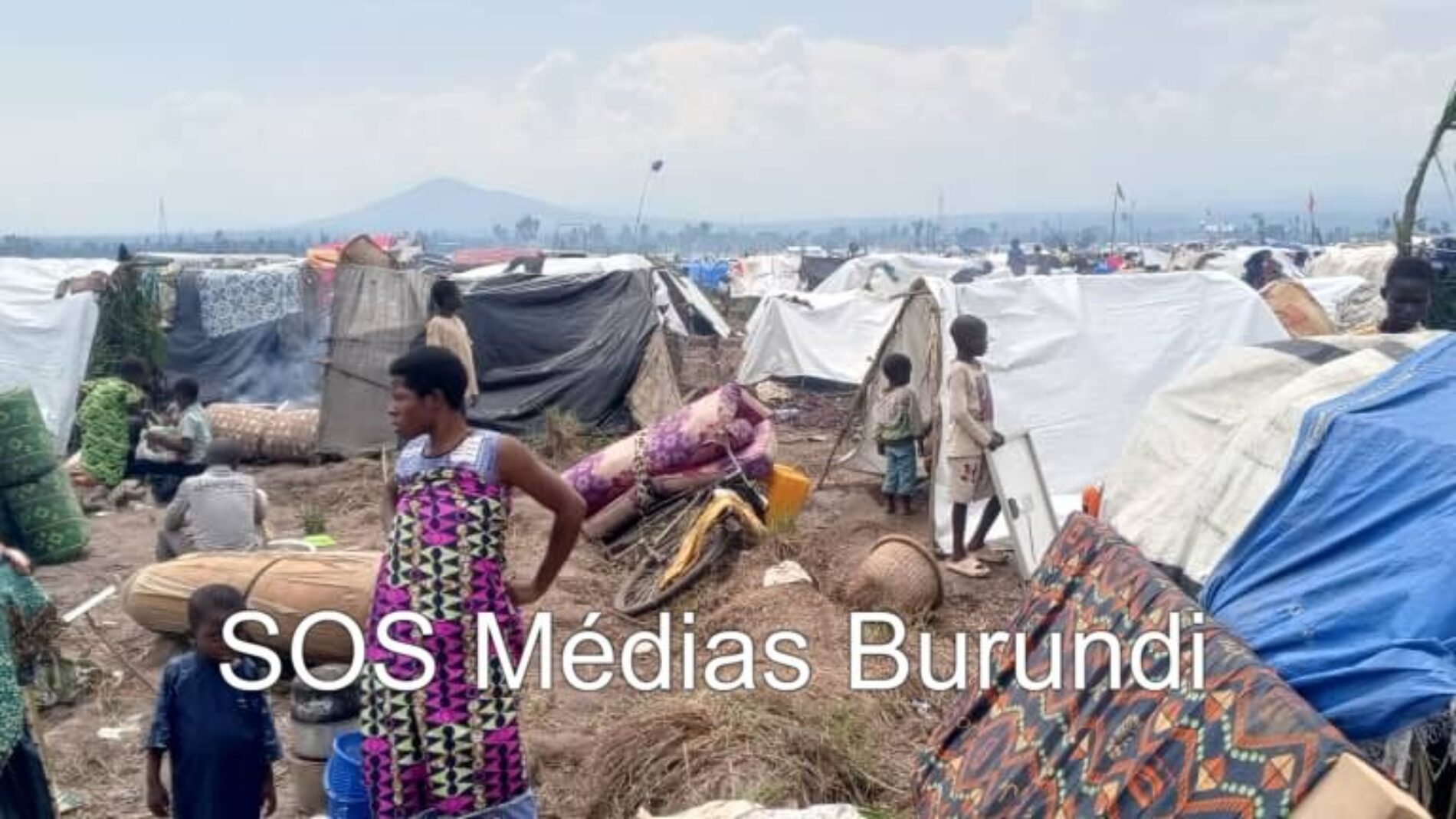
Richard Uwimana, coordinator of the ONPRA, is requiring all refugees living outside of camps to return to their designated installation sites. This policy was reiterated on 16 October 2026 at the Musenyi site in Musongati commune, Buhumuza province. The directive mandates that individuals currently residing in urban areas or outside of authorized zones must relocate to these specific sites to comply with national regulations.
Refugees at the site expressed concerns regarding the mandate. One refugee stated: "Mon commerce à Bujumbura, ce n’est pas du luxe, c’est ce qui aide ma famille restée au camp. Je me demande comment je vais vivre une fois retourné au camp. Là-bas, il n’y a pas de travail, il n’y a pas de clients." Another added: "Les aides ont diminué. Comment allons-nous vivre dans le camp où le pouvoir d’achat est faible ? Si tout le monde retourne au camp, nous allons tous devenir dépendants d’une aide qui n’existe presque plus." These individuals emphasize that their ability to maintain livelihoods outside of the camps is essential for their families' survival, noting that the economic conditions within the designated sites are insufficient to support the population.
Security Justifications and Allegations
Burundi currently hosts more than 160,000 refugees, of whom over 95% are Congolese. These figures reflect a significant population density within the national territory, a factor the Burundian government has linked to its management policies. Officials have stated that the concentration of these individuals is a priority for the administration in the context of maintaining order.
Authorities recently presented 13 individuals, primarily Banyamulenge refugees, to the public. These individuals face accusations of spying on behalf of Rwanda and various armed groups operating within the République démocratique du Congo. Government officials cited these allegations as evidence of security risks posed by individuals residing outside of the designated installation sites. The public presentation of these 13 suspects was intended to highlight the potential threats that the government associates with the presence of refugees in urban or unauthorized locations.
Separate enforcement actions have occurred in recent months to consolidate the refugee population within camps. In September 2026, a group of refugees, consisting mostly of Banyamulenge, was forcibly returned to their camp of origin from Gitega. This relocation was conducted as part of the government’s broader effort to monitor refugee movements under the current mandate. The government maintains that these measures are intended to address security concerns while managing the resources available to the displaced population. By moving those found in Gitega back to their registered locations, officials aim to centralize the population to facilitate better oversight and security control. The government continues to assert that the requirement for refugees to remain within designated camps is a necessary component of its strategy to mitigate risks linked to the presence of foreign nationals residing outside of official oversight.