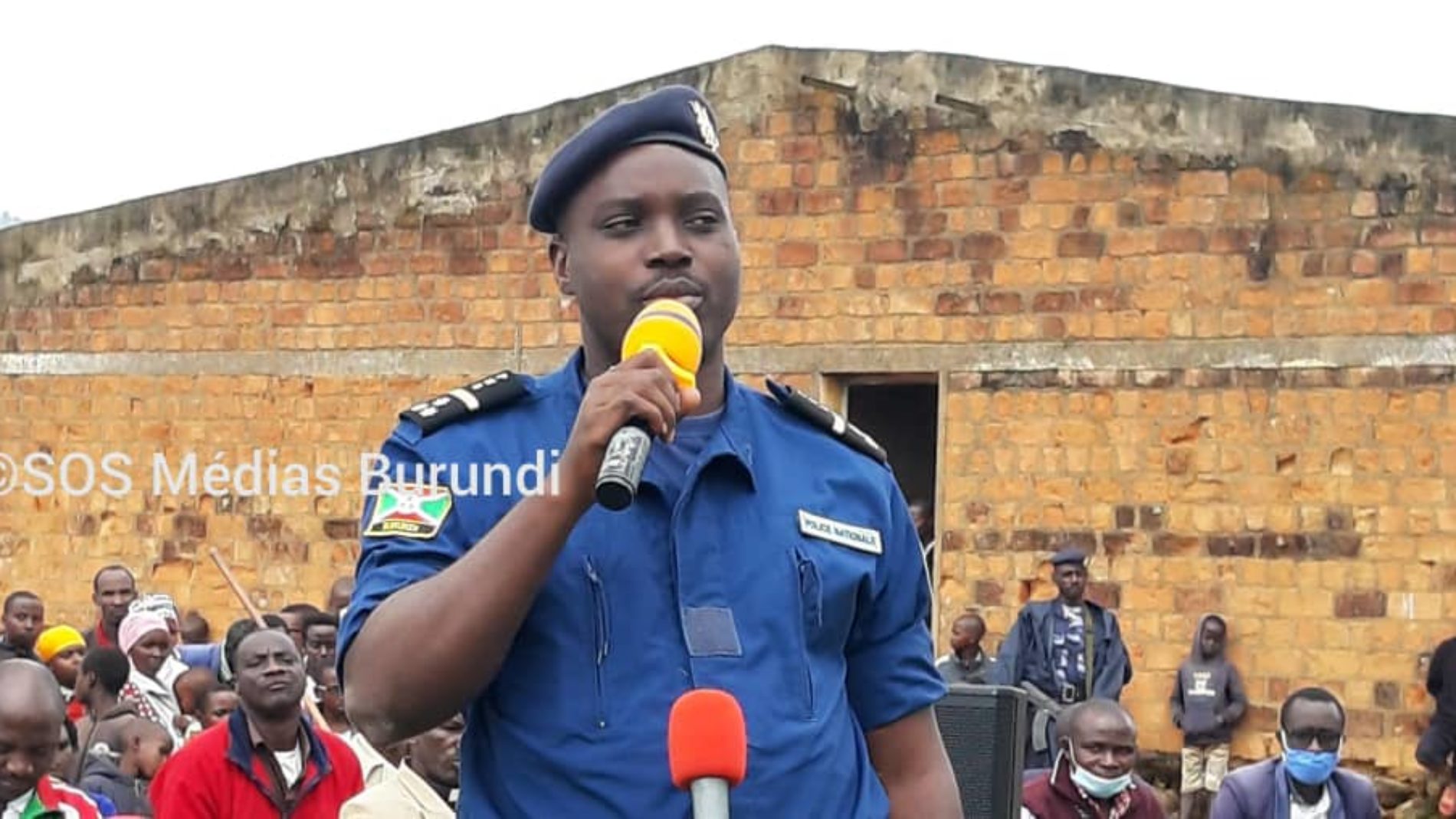
The National Police of Burundi (PNB) presented a man to the local press on Tuesday, claiming he is of Rwandan origin and a fighter for the Red-Tabara armed movement. The presentation occurred at the National Intelligence Service (SNR) premises, the intelligence headquarters in the economic capital Bujumbura, where the man is detained. This location, serving as the country's primary intelligence hub, shows the gravity with which Burundian authorities are treating the case. The individual identified himself to journalists as Bonheur Dieudonné. He further stated that he was born in Rwanda in 1994. His public presentation marks a significant development in the ongoing tensions between Burundi and Rwanda, as both nations frequently exchange accusations regarding support for rebel groups.
Official Claims and Evidence
Pierre Nkurikiye, spokesperson for the Burundian Ministry of Public Security, stated that the man presented to the press is a member of Red-Tabara, an armed group opposed to the Gitega regime. Nkurikiye further reiterated long-standing accusations, asserting that Rwanda created, trained, and organized the Red-Tabara movement. These claims were made as authorities continue to hold the suspected fighter. The spokesperson emphasized the Burundian government's firm belief in these allegations, which have been a consistent point of contention in diplomatic relations between the two East African neighbors. The presentation of Bonheur Dieudonné was intended by the Burundian authorities to serve as tangible evidence supporting their claims about Rwandan involvement with the rebel group.
Historical Context of Accusations
Pierre Nkurikiye, spokesperson for the Burundian Ministry of Public Security, also repeated Burundian authorities' accusations that the Red-Tabara movement is led by Alexis Sinduhije, an exiled former journalist and politician. Sinduhije, a prominent opposition figure, has been a frequent target of such allegations from the Burundian government. Burundian accusations against Kigali, regarding the alleged hosting and training of fighters hostile to the regime, date back to the 2015 political crisis. This crisis began when then-President Pierre Nkurunziza announced his intention to seek a third term, leading to widespread protests and a failed coup attempt by Major General Godefroid Niyombare. The subsequent violence and political instability saw many Burundians flee to neighboring countries, including Rwanda. Since then, relations between Burundi and Rwanda have remained strained, with frequent exchanges of accusations concerning security and political interference. The Burundian government has consistently maintained that Rwanda harbors and supports elements aiming to destabilize Burundi, with Red-Tabara often cited as a key example of such alleged support.
Rwanda's Response and New Case
Pierre Nkurikiye, spokesperson for the ministry in charge of Security, stated that the suspect was arrested in eastern Democratic Republic of Congo (RDC) before being transferred to Burundi. This detail suggests a broader regional dimension to the conflict, indicating that the alleged activities of Red-Tabara and the pursuit of its members extend beyond Burundi's immediate borders. The National Police of Burundi (PNB) did not provide independent evidence during the presentation to verify the man's identity, nationality, or affiliation with Red-Tabara. This lack of independent verification leaves many questions unanswered and fuels skepticism among observers. Rwandan authorities regularly reject such accusations from Burundi, calling them "the worst lie" (pire mensonge). They have consistently denied any involvement in supporting rebel groups against the Burundian government, often countering with their own accusations of Burundian support for groups hostile to Kigali. No official reaction from the Rwandan government was available on Tuesday evening regarding the accusations made by the Burundian police in this new case, leaving the latest allegations to further complicate the already tense diplomatic landscape between the two nations. The absence of an immediate response from Kigali does not, however, indicate an acceptance of the claims, but rather a likely adherence to their established stance of denial.