Several cases of rackets and brutality against Burundian street vendors and other individuals engaged in small trades have been reported in Nairobi, Kenya. These incidents include reports of deaths among Burundians in the city, raising significant alarm within the Burundian community and among human rights observers. In response to these escalating concerns, the Kenyan government announced on Tuesday, September 8, that all Burundians in irregular situations working in small trades in Kenya must regularize their status with their embassy within a three-month deadline. This directive aims to address the legal standing of these individuals amidst growing concerns over their treatment and safety in the Kenyan capital, while also seeking to manage the influx of informal workers.
Escalating Tensions and Government Response
The situation for Burundians in Nairobi has deteriorated significantly since June 18, 2026, according to the Observatoire national pour la lutte contre la criminalité transnationale (ONLCT). This decline followed controversial remarks made by Kenyan Member of Parliament Beatrice Elachi. The ONLCT, a body dedicated to monitoring transnational crime, has documented the tragic deaths of over 70 Burundian nationals and the arrest and detention of 234 others during this period. MP Beatrice Elachi, who represents the Dagoretti North constituency, publicly accused Burundians of displacing Kenyan workers from their jobs and advocated forcefully for their expulsion from the country. Her statements have been widely criticized for potentially inciting xenophobia and contributing to the current climate of fear among Burundian residents.
However, Charles Owino, spokesperson for the Kenyan president, stated that President William Samoei Ruto's message on September 2 was misinterpreted. Mr. Owino did not elaborate on the specific nature of the misinterpretation, but his clarification suggests an attempt by the government to de-escalate tensions and clarify its official stance. The government has also indicated that following a 90-day period, regulations concerning work permits will be strictly enforced. This measure implies that individuals who have not regularized their status within the given timeframe will face consequences under existing labor laws, potentially including deportation. This strict application of immigration rules shows the government's intent to formalize the informal sector while addressing public concerns about employment.
Kidumu's Plea for Peace and Aid
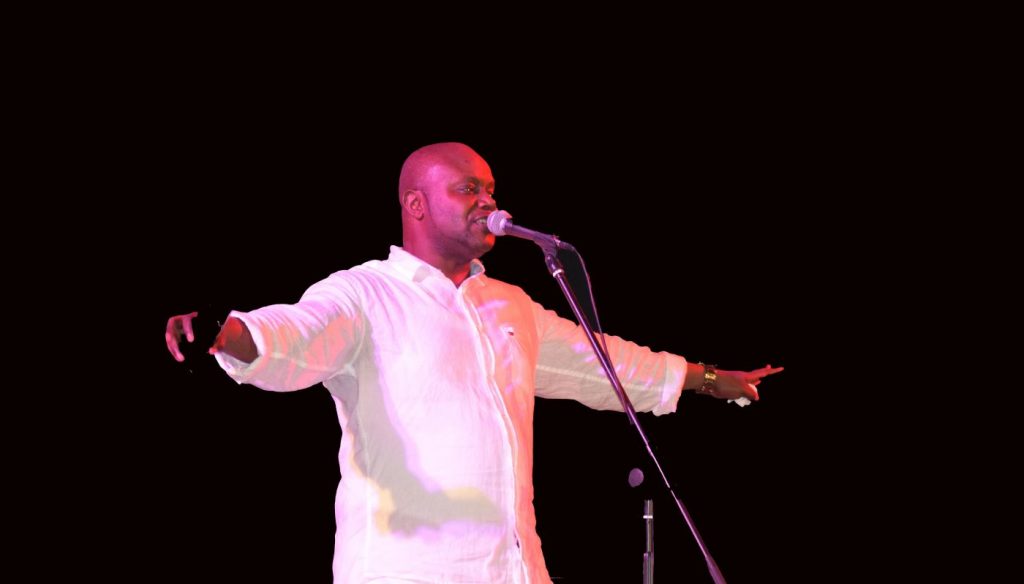
Burundian musician Kidumu, who lives in Kenya but is currently on tour in Canada, expressed profound sadness over recent reports of violence against vendors in Nairobi. His connection to both countries gives his statements particular weight within the affected communities. "The news reaching me from Nairobi is not good at all," Kidumu stated, questioning the underlying causes of the hostility: "What have Burundians and Rwandans done to be treated this way?" He appealed for immediate assistance to facilitate the safe return of his compatriots, saying, "Could you at least defend our fellow citizens, so that they can return home in peace and dignity?" This heartfelt plea was directed at authorities and humanitarian organizations alike, noting the urgent need for protection and safe passage.
In a powerful gesture of personal support, Kidumu offered his personal vehicle to aid in repatriation efforts. "I own an 11-seater minibus and I am ready to make it available to anyone to take people home," he declared, demonstrating a tangible commitment to helping his community. The musician also shared a deeply personal prayer for his home country, reflecting his anguish and hope. "Oh God, if I am truly Your servant, if I have helped my neighbor with my limited means while accepting mockery, today I ask You a favor! Restore Burundi's lost glory; I am not afraid to say it, I know it can cost me my life, but so be it." This prayer shows his profound connection to Burundi and his willingness to speak out despite potential personal risks. Kidumu further cautioned against retaliatory actions, emphasizing, "Kenyans living in Burundi must not be touched. Do not commit reprehensible acts simply because others have harmed you. Vengeance is not a solution." He stressed that "The security of Kenyans living in Burundi must be ensured." Kidumu firmly asserted that "This is a political matter to be resolved through political channels," advocating for diplomatic solutions over violence. He extended this sentiment to other regional neighbors, stating, "Even Tanzania must not attack Kenyans; let this situation be resolved through appropriate channels."
Kenyan artist Bien-Aimé Baraza, formerly of the acclaimed group Sauti Sol, also weighed in on the situation, asserting that an attack on one community constitutes a threat to the dignity of all. Mr. Baraza called for Africa to uphold its role as a welcoming continent for all Africans, emphasizing the importance of pan-African solidarity and mutual respect. His statement resonates with a broader appeal for unity and humanitarian treatment across the continent.
Calls for Diplomatic and Political Solutions
Burundian musician Kidumu specifically appealed to the Burundian embassy in Kenya to advocate for their citizens and facilitate their safe return home, urging diplomatic intervention to protect those in distress. Kidumu reiterated his deep concern, stating, "The news reaching me from Nairobi is not good at all. What have Burundians and Rwandans done to be treated this way?" He urged, "Could you at least defend our fellow citizens, so that they can return home in peace and dignity." Kidumu also made a concrete offer of assistance, confirming his readiness to help with repatriation efforts by offering his personal 11-seater minibus, declaring, "I own an 11-seater minibus and I am ready to make it available to anyone to take people home." This practical offer notes the urgency of the situation and the personal sacrifices individuals are willing to make.
Kenyan personalities, including musicians, are increasingly speaking out against the violence targeting irregular Burundian nationals in Nairobi, adding their voices to the growing chorus of concern. Kidumu, from his current tour location in Canada, further cautioned Burundians against retaliating against Kenyans residing in Burundi. He emphasized, "Kenyans living in Burundi must not be touched. Do not commit reprehensible acts simply because others have harmed you. Vengeance is not a solution." Kidumu stressed that the security of Kenyans in Burundi must be ensured and that the situation is a political matter to be resolved through political channels, advocating for a measured and diplomatic response. He extended this sentiment, stating, "Even Tanzania must not attack Kenyans; let this situation be resolved through appropriate channels," showing the need for regional stability and peaceful conflict resolution.
The Kenyan government, for its part, has denied any violence against irregular immigrants, specifically Burundians, despite numerous reports to the contrary. This denial complicates efforts to address the issue directly and transparently. Kidumu also shared a personal prayer for his homeland, saying, "Oh God, if I am truly Your servant, if I have helped my neighbor with my limited means while accepting mockery, today I ask You a favor! Restore Burundi's lost glory; I am not afraid to say it, I know it can cost me my life, but so be it." This spiritual appeal adds a poignant layer to his public statements. Kenyan artist Bien-Aimé Baraza, formerly of Sauti Sol, has a history of using his platform for peace, having previously called for peace during post-election violence in Tanzania through a song. His consistent advocacy for peace and dignity lends further weight to his current statements regarding the treatment of Burundians in Kenya.