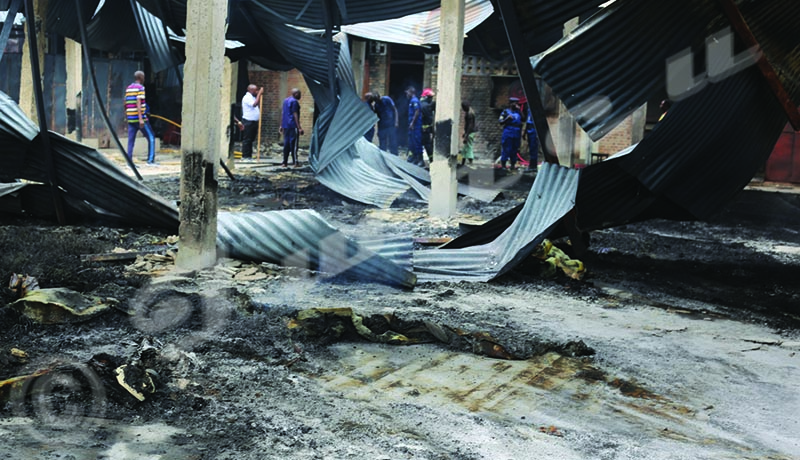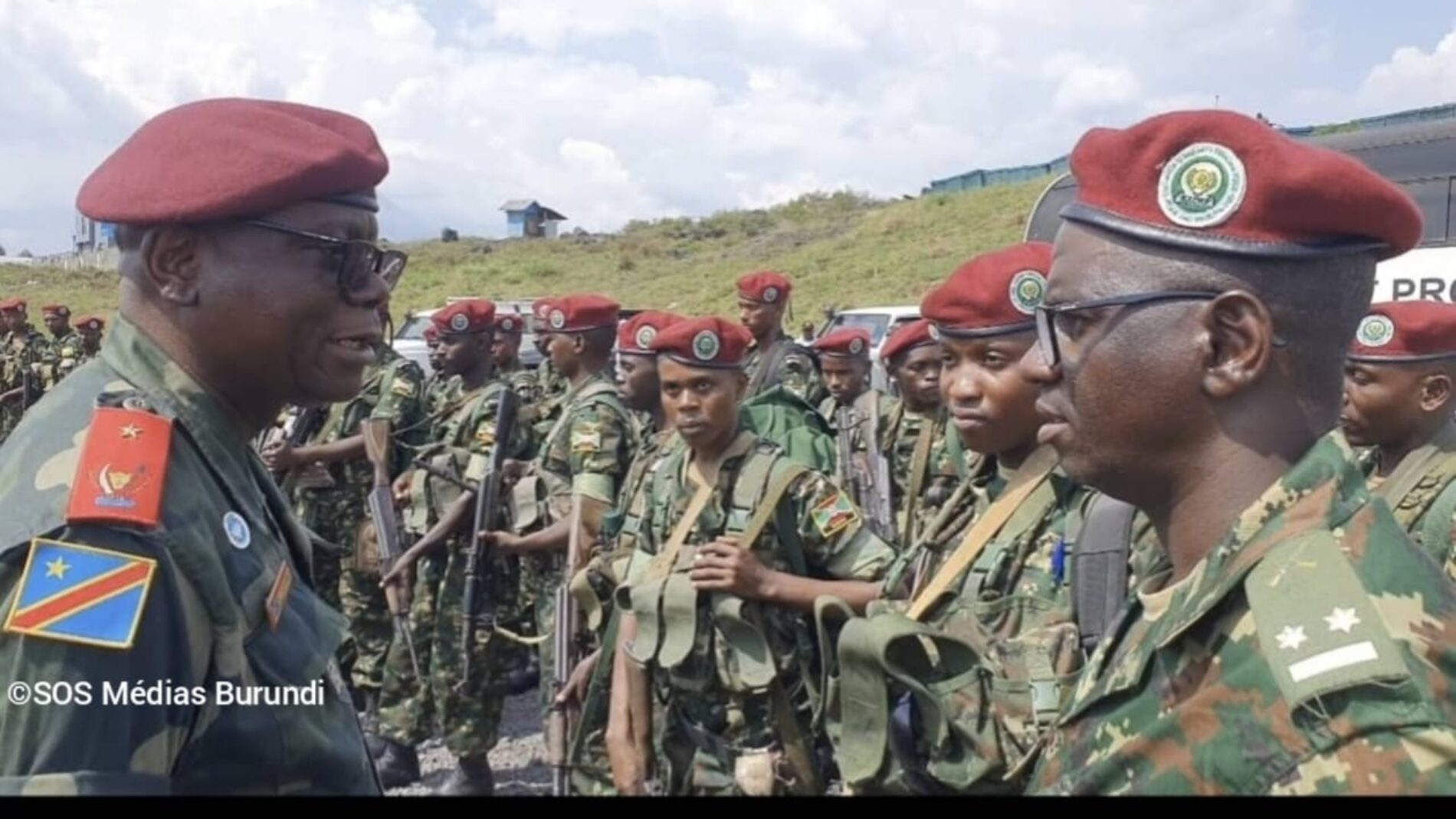
Two officers of Burundi's Force de défense nationale du Burundi (FDNB), Captain Félicien Kanjori and Major Jérémie Nitunga, were arrested in Fizi, South Kivu province, eastern Democratic Republic of Congo. The arrests occurred following a drone strike attributed to the AFC-M23 against the Hotel Mwalu on August 19, 2026. Authorities suspect the two officers transmitted intelligence that enabled the AFC-M23 forces to locate the hotel. The drone attack seriously injured two people, including Hotel Mwalu manager Mwando Lukaba, and caused significant material damage to the establishment. The apprehension of these senior military personnel marks a significant development in the ongoing efforts to secure eastern DRC and investigate potential internal compromises within regional security forces. The incident has drawn attention to the complex web of alliances and conflicts in the volatile region, where various armed groups operate alongside national and allied foreign forces.
Attack Details and Suspects
A spokesperson for the FARDC in the region attributed the attack to the M23, stating that two bombs were dropped by drones. This attribution immediately placed the incident within the context of the ongoing conflict between Congolese forces and the M23 rebel group, which has been active in eastern DRC. The Hotel Mwalu was reportedly hosting several Congolese and Burundian military officials and combatants at the time of the strike, making it a high-value target for any opposing force. The presence of such high-ranking officers shows the strategic importance of the gathering. A meeting concerning the preparation of a new military operation towards the Minembwe highlands was reportedly taking place at the hotel. This detail suggests the intelligence allegedly leaked was of critical operational value, potentially compromising future military actions.
Among the military officials cited in relation to the meeting was General-Major Élie Ndizigiye, alias Muzinga, deputy commander of the FDNB ground forces. His presence indicates the high level of coordination and joint planning between Burundian and Congolese military leadership. Brigadier General Télesphore Barandereka, who heads the training and instruction service of the FDNB general staff (G3), was also cited as being present. The involvement of such a senior training officer further notes the strategic nature of the discussions. Brigadier General Fabien Dunia Kashindi, commander of the 33rd military region of the FARDC, was similarly associated with the meeting, representing the Congolese military's top brass in the region.
Captain Félicien Kanjori and Major Jérémie Nitunga were arrested in the context of investigations into how AFC-M23 forces obtained information about the presence of these military officials at the hotel. The focus of the investigation is to determine the exact nature of the intelligence shared and the methods used for its transmission. Testimonies collected indicated that Captain Kanjori and Major Nitunga were arrested by mercenaries present in the area, not by Wazalendo fighters. This detail about the arresting parties adds another layer of complexity to the incident, hinting at the diverse array of actors involved in security operations in eastern DRC. The involvement of mercenaries in the apprehension of foreign military officers suggests a broader, perhaps less conventional, security architecture at play in the region. The immediate aftermath of the drone strike saw intense scrutiny on how such a sensitive meeting could have been compromised, leading directly to the arrests of the two Burundian officers. The precision of the drone strike further points to the possibility of accurate, real-time intelligence being supplied to the AFC-M23.
Broader Context and Regional Dynamics
The arrests of the Burundian officers occur within a complex regional security landscape marked by significant military deployments. An internal report from the Congolese Ministry of Interior and Security indicated that over 29,000 Burundian soldiers had been deployed in eastern Democratic Republic of Congo between August 2022 and December 2025. This extensive deployment notes the deep involvement of neighboring countries in the volatile eastern DRC, often in joint operations against various armed groups. The presence of such a large contingent of foreign troops shows the regional nature of the conflict and the efforts by regional powers to stabilize the area, albeit with varying degrees of success and sometimes unforeseen complications. The deployment of Burundian forces is part of a broader regional security initiative aimed at combating armed groups that threaten both Congolese and neighboring territories.
The M23 group, frequently implicated in regional conflicts and the recent drone strike, is reportedly integrated into the Alliance Fleuve Congo (AFC). This politico-military coalition is led by Corneille Nangaa, a former president of the Independent National Electoral Commission (CENI) of the DRC. The integration of M23 into the AFC signifies a broader consolidation of opposition forces in the region, presenting a more unified front against the Congolese government and its allies. This alliance potentially enhances the operational capabilities and intelligence networks of the M23, making incidents like the Hotel Mwalu drone strike more potent. The AFC's emergence under a prominent political figure like Corneille Nangaa also adds a significant political dimension to the ongoing military conflict, suggesting a more organized and coordinated opposition beyond typical rebel group activities.
Further complicating the situation in Fizi, mobile phone networks have reportedly been cut in the area since June 19, 2026. This communications blackout potentially hampers independent reporting and civilian access to information, creating an environment where details regarding security incidents are difficult to verify. The absence of reliable communication channels could also affect the coordination and safety of humanitarian operations in the Fizi territory, making it harder for aid organizations to reach vulnerable populations or for local authorities to manage crisis situations effectively. Such a blackout can also serve to isolate communities, making them more susceptible to misinformation and exacerbating feelings of insecurity. The lack of communication infrastructure also makes it challenging to ascertain the full scope and impact of military actions and other security-related events in the region.
Intelligence Transfer and Aftermath
Captain Félicien Kanjori and Major Jérémie Nitunga, the two Burundian officers, were reportedly transferred to Kinshasa following their arrest. This transfer from the remote Fizi territory to the national capital indicates the high-level attention the case has drew. Several sources indicated the officers were handed over to DEMIAP, the Congolese military intelligence agency. This transfer suggests a formal legal process initiated by Congolese authorities after the initial arrests in Fizi, moving the investigation into a more structured and official channel. The move to Kinshasa places the investigation into the alleged intelligence leak under the purview of the national capital's security apparatus, ensuring a more centralized and thorough inquiry.
The involvement of DEMIAP shows the serious nature of the accusations, which center on the suspected transfer of sensitive information to the AFC-M23, directly impacting military operations in eastern Democratic Republic of Congo. Investigations by military intelligence agencies typically involve rigorous interrogations and evidence gathering to determine the extent of the alleged treason or espionage. The officers' detention and transfer mark a significant development in the investigation into how the AFC-M23 obtained details about the high-level meeting at Hotel Mwalu. The incident has implications for regional security cooperation, particularly given the presence of Burundian military officials in the DRC and the ongoing conflict with armed groups like the M23. The alleged leak could strain military relations between Burundi and the DRC, potentially affecting future joint operations and intelligence sharing. The outcome of the DEMIAP investigation will be key in determining the diplomatic and security ramifications of this high-profile case.