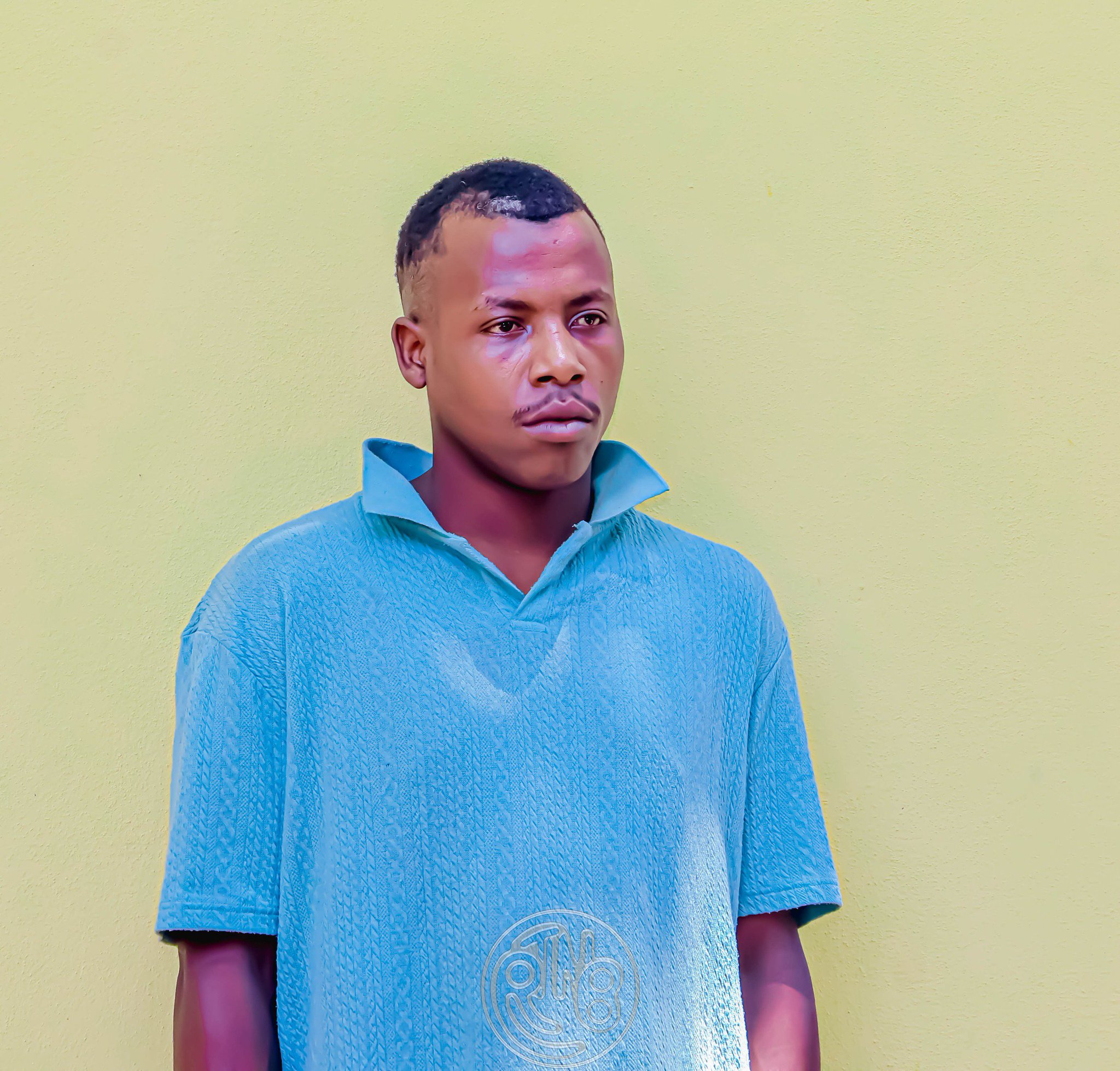
Burundi presented a man identified as Bonheur Dieudonné in Bujumbura on September 1, sparking renewed scrutiny of its accusations against Rwanda. The presentation comes after Burundi closed its border with Rwanda in January 2024. This closure followed Bujumbura's formal accusation that Kigali was supporting the rebel group RED-Tabara, which Burundi considers a terrorist organization. This diplomatic move showed the escalating tensions between the two East African nations. The public display of the alleged rebel suspect by Burundian authorities was intended to bolster their claims against their western neighbor.
Alleged Rebel's Story Unfolds
During the presentation in Bujumbura, Burundian authorities identified the man as Bonheur Dieudonné. They stated he was Rwandan, born in 1999 in Mushubi Sector, Nyamagabe District, Southern Province. Officials further alleged his parents were Nambajimana Euphreum and Mukamwiza Formina. These specific details were provided by Burundian authorities as part of their effort to establish the suspect's identity and origin.
According to testimony attributed to Bonheur Dieudonné, he traveled to Rwanda's capital, Kigali, in search of employment opportunities. It was during this period in Kigali that he reportedly encountered a man identified as Rwigema. Following this alleged encounter, Bonheur Dieudonné stated that he had joined RED-Tabara fighters in the eastern Democratic Republic of Congo (DRC). This account, as presented by Burundian officials, forms a central part of their narrative regarding the alleged recruitment and activities of the rebel group. The RED-Tabara group has primarily operated from bases in the eastern Democratic Republic of Congo since approximately 2015, establishing a presence in a region known for its numerous armed factions.
Skepticism and Identity Questions
Online skepticism quickly emerged regarding the man identified as Bonheur Dieudonné following his presentation. Much of this doubt stemmed from his fluent command of Kirundi, Burundi's primary language, rather than primarily Kinyarwanda, which is the main language of Rwanda. This linguistic detail prompted significant questions among observers and social media users, who pointed out that a Rwandan national would typically be more proficient in Kinyarwanda. The discrepancy in language proficiency became a key point of contention and fueled doubts about the official narrative.
Some social media users began to question the name Bonheur Dieudonné itself, noting its commonality in Congolese French-speaking regions. These users suggested that the individual might not be Rwandan as presented by Burundian authorities, but could instead be Congolese, adding another layer of complexity and uncertainty to the claims made by Bujumbura. The online discussions noted a broader mistrust surrounding official statements in the ongoing diplomatic dispute.
Long-Standing Tensions With Rwanda
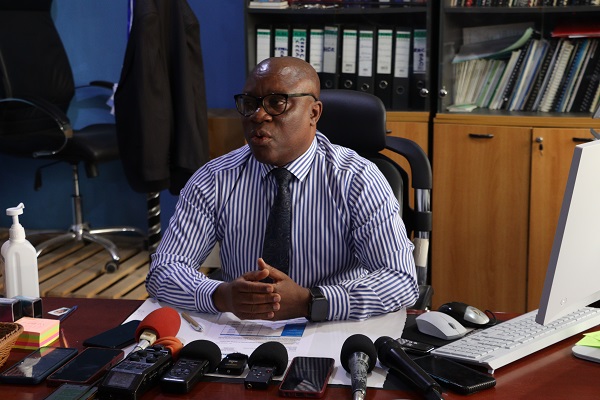
Burundian police spokesman Pierre Nkurikiye stated that the case involving Bonheur Dieudonné provides further indication of Bujumbura's long-held allegations against its neighbor. Nkurikiye asserted that the situation suggests Rwanda recruits, trains, and arms RED-Tabara fighters. "The case provides another indication of what they have long alleged: that Rwanda recruits, trains and arms RED-Tabara fighters," Pierre Nkurikiye said regarding the presented suspect, reiterating Burundi's consistent position.
Rwanda, however, has consistently rejected these allegations. Kigali has maintained its innocence concerning any involvement with rebel groups operating against Burundi, including RED-Tabara. The Rwandan government has repeatedly denied providing any form of support, material or otherwise, to such groups. The repeated accusations from Burundi have contributed to ongoing diplomatic friction and a strained relationship between the two East African nations, hindering regional cooperation efforts.
Official Statements and Implications
Burundi has consistently accused Rwanda of providing support to the RED-Tabara rebel group, an accusation that Kigali vehemently denies. The presentation of Bonheur Dieudonné and his alleged testimony are seen by Burundian authorities as concrete evidence to support their claims. The rebel group, RED-Tabara, has been a significant security concern for Burundi, launching attacks that have caused casualties and instability. Their operational base in the eastern Democratic Republic of Congo has made them a persistent threat, prompting Burundi to seek international attention and action regarding the alleged external support they receive. The ongoing dispute continues to impact the political landscape of the Great Lakes region.