Electric vehicles, including promenade cars, taxis, and coasters, are now visible on the streets of Bujumbura. These vehicles represent a shift in the local transportation sector within Burundi. To accelerate this transition, the Burundian government has officially announced that all electric vehicles imported into the country will be exempt from taxes. This policy aims to reduce the financial barriers for operators and private owners looking to adopt electric mobility. The tax exemption applies to various categories of electric transport currently circulating in the capital. Officials expect that the removal of import duties will encourage further adoption of these vehicles across the nation. The Burundian government has announced that electric vehicles imported into the country will be exempt from taxes as a direct measure to stimulate the market.
Infrastructure and Economic Incentives
A Burundian investor has installed a solar charging station in Bujumbura to support the growing number of electric vehicles. This facility provides a renewable power source for local operators and private owners transitioning away from internal combustion engines. By utilizing solar energy, this station offers a sustainable alternative to traditional fueling methods, ensuring that the transition to electric mobility aligns with domestic energy capabilities. The presence of such infrastructure is a critical step in building a reliable network for the increasing volume of electric transport units operating throughout the city.
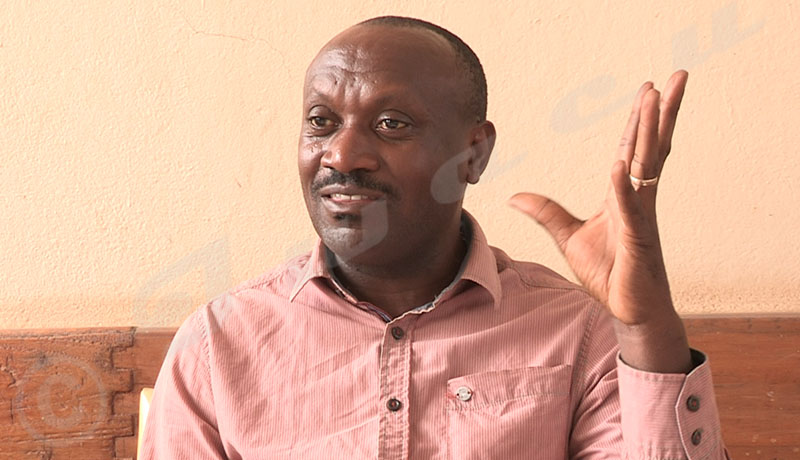
Rémy Marie Nkurunziza, a doctor in geo-ecology and teacher-researcher at the University of Burundi, emphasizes the long-term benefits of this shift. Rémy Marie Nkurunziza is a doctor in geo-ecology and a teacher-researcher at the University of Burundi. He stated, "A moyen terme, l’usage des énergies vertes, surtout les voitures électriques, réduit la dépendance à l’importation des carburants."
Beyond the environmental and energy advantages, the technical requirements of maintaining a new fleet remain a point of focus for the academic community. Rémy Marie Nkurunziza noted the necessity of local technical training to sustain the sector, explaining, "Quand on importe une nouvelle technologie, il faut aussi importer les compétences." He further argued that the country needs a dedicated educational framework to handle these advancements, stating, "Quand on importe la voiture ou une nouvelle technologie, il faut aussi importer les compétences, créer des écoles comme on en a créé pour l’automobile mécanique."
The integration of these vehicles requires a full approach that balances hardware deployment with human capital development. As the number of electric vehicles increases, the demand for specialized maintenance services will grow proportionally. By establishing specialized training programs, the academic sector aims to prepare the next generation of technicians to manage the complexities of electric propulsion systems. This focus on education is intended to ensure that the transition remains sustainable and that the workforce is equipped to handle the specific requirements of electric vehicle maintenance and repair. The academic community continues to monitor these developments to provide guidance on the most effective ways to integrate these technologies into the existing transport landscape.