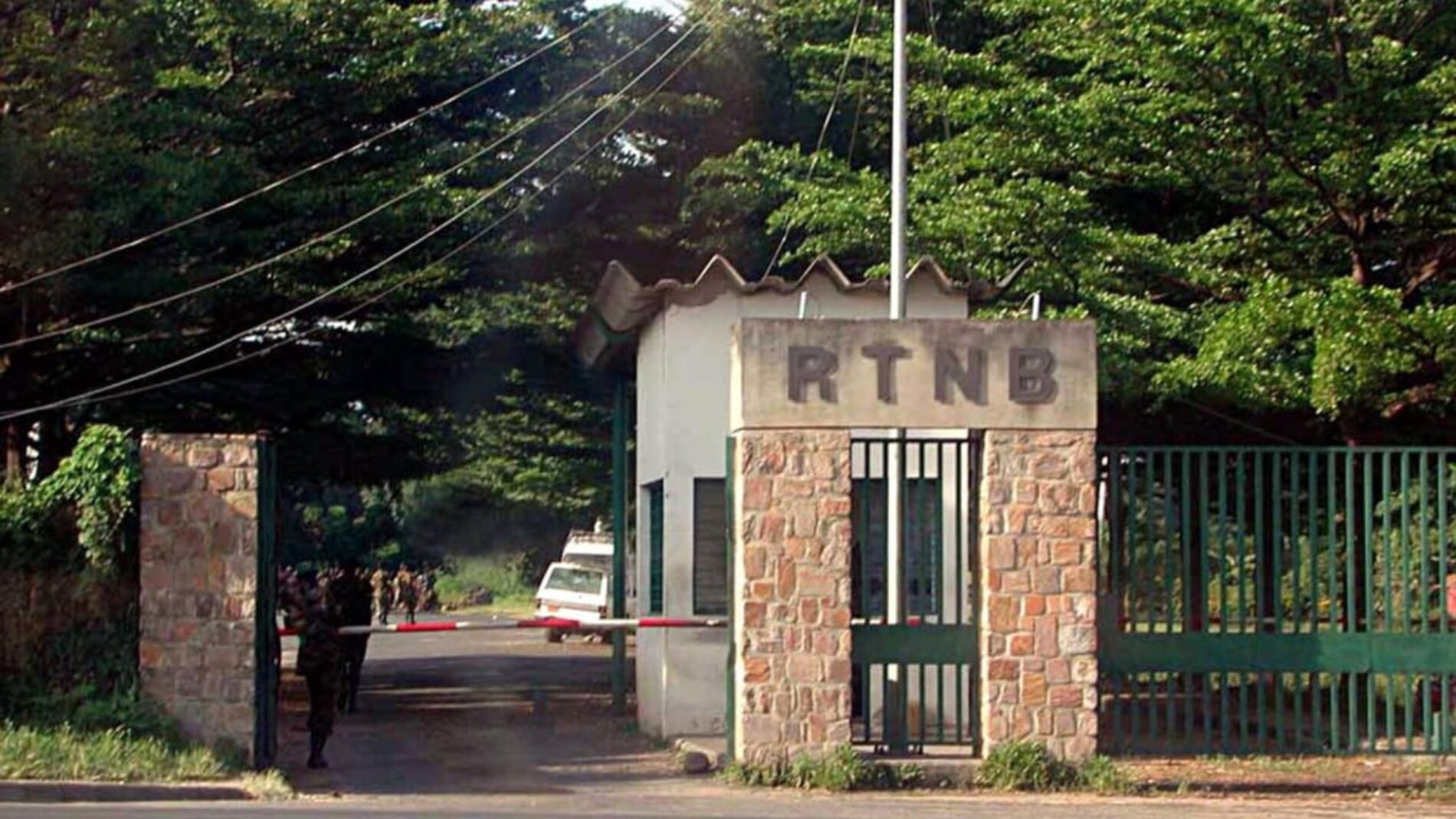
Journalists in Burundi are expressing deep concerns that the state-funded public broadcaster, Radio Télévision nationale du Burundi (RTNB), is increasingly serving as a mouthpiece for the ruling party rather than fulfilling its intended, constitutionally mandated role of serving all citizens. The RTNB, which operates on public money, is explicitly tasked with providing impartial information to the entire population of Burundi. However, journalists are consistently denouncing a perceived drift that they claim is steadily transforming the public media into a voice for the ruling party, the CNDD-FDD. This alleged shift raises significant questions about the broadcaster's neutrality, its adherence to its public service mission, and its commitment to journalistic integrity. The growing accusations suggest a systemic alignment that could undermine the public's right to unbiased information.
Specifics of Party Alignment
The live broadcast on Saturday, August 29, 2026, of the tenth edition of the Imbonerakure Day, a day dedicated to the youth league of the CNDD-FDD, is cited as a particularly revealing example of the public broadcaster's alleged bias. Sources close to the matter indicate that the presidential party did not pay any fees for the broadcast of this significant Imbonerakure Day event, suggesting a preferential treatment not typically afforded to other organizations or events. This arrangement has fueled criticism regarding the financial implications and the perceived lack of transparency. Several other meetings and activities organized by the CNDD-FDD are also regularly broadcast by the Radio Télévision nationale du Burundi (RTNB), sometimes live, according to numerous reports from within the media landscape. These frequent broadcasts, often without apparent compensation to the public broadcaster, further solidify the concerns about the RTNB's independence.
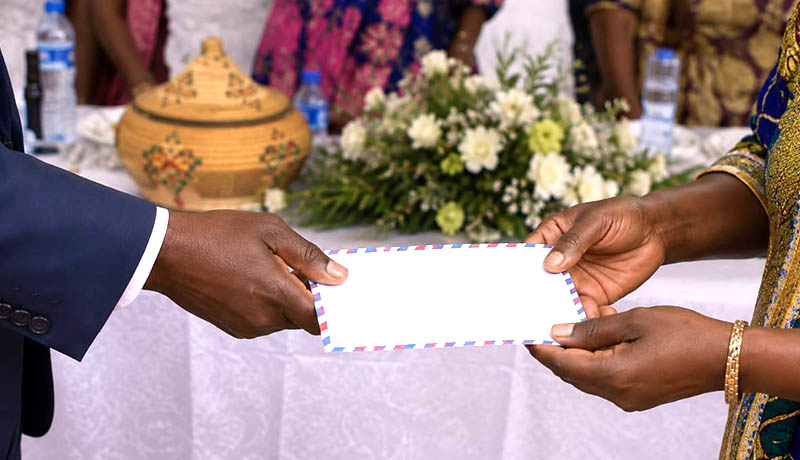
Beyond broadcast content, financial arrangements for journalistic missions also highlight the alleged bias. When a journalist is sent outside Bujumbura for a reporting assignment, they normally receive mission fees evaluated at 100,000 Burundian francs. However, when covering certain CNDD-FDD activities, the party reportedly directly covers travel expenses for the journalists. In such instances, the amount paid to the journalist by RTNB is then notably reduced by half, creating a financial incentive structure that could compromise journalistic independence and objectivity. This practice raises ethical questions about the separation of financial interests and editorial decision-making within the public broadcaster.
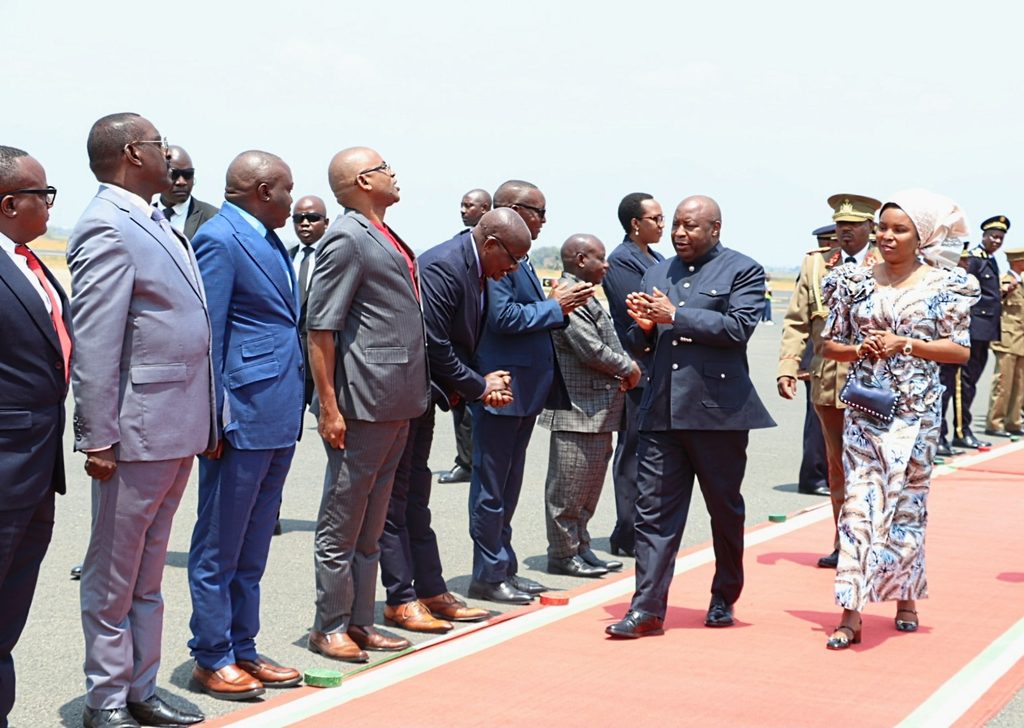
Since President Évariste Ndayishimiye came to power in June 2020, RTNB journalists have observed notable changes in the composition of teams accompanying high-ranking Burundian officials on official trips abroad. Missions to the United States, Canada, and several European countries are mainly reserved for the directors of the radio and television departments, accompanied by the technical director, who often also acts as a cameraman. This measure has since extended to trips to China and countries in Central and Latin America, indicating a broader, systematic policy shift. RTNB officials explain this policy by stating a desire to prevent reporters sent abroad from seeking asylum, a justification that itself shows the challenging environment for journalists in Burundi and the level of distrust within state institutions. This explanation, while offered by officials, has been met with skepticism by many in the journalistic community, who view it as a restrictive measure impacting reporting diversity and opportunities for professional growth.
Historical Context and Media Landscape
The question of media independence in Burundi has become acutely sensitive since the profound 2015 crisis, which was triggered by the controversial third term of former President Pierre Nkurunziza. That crisis resulted in approximately one hundred journalists going into exile, a significant exodus that severely depleted the country's media talent pool. The turmoil also led to the destruction of several independent radio stations, which had previously served as vital platforms for diverse voices and critical reporting. This period marked a dramatic turning point for the Burundian media landscape, consolidating government control over information dissemination.
While the national television has consistently remained under the control of the government and the CNDD-FDD ruling party, reflecting a long-standing pattern of state influence, the public radio had historically maintained a certain margin of independence. This distinction is key, as public radio was once seen as a more reliable source of varied information. This historical context notes a shifting landscape for media in Burundi, particularly after the 2015 events that significantly impacted independent outlets and led to a large exodus of media professionals. The current concerns about the public broadcaster's alignment with the ruling party are viewed against this backdrop of past and present challenges to media autonomy, with many fearing that even the vestiges of independence are now eroding.
Journalists' Denunciations and Reactions
The Radio Télévision nationale du Burundi (RTNB) faces increasing accusations of serving the ruling power and the CNDD-FDD party, according to numerous reports and internal observations. Several journalists and editorial staff assert that the RTNB has become a media outlet increasingly aligned with the government, moving away from its foundational mandate of impartiality. This perceived alignment has led to considerable concerns among media professionals regarding the broadcaster's impartiality and its ability to fulfill its public service obligations without political interference. The erosion of trust in the public broadcaster is a significant issue for the country's information ecosystem.
In the broader Great Lakes region, Burundi's media landscape is positioned behind Tanzania, which ranks 117th, but ahead of the Democratic Republic of Congo (130th) and Rwanda (139th) in terms of press freedom metrics. These regional comparisons provide an important context to the concerns raised about Burundi's public broadcaster, indicating that while challenges exist across the region, Burundi's situation is part of a broader pattern of varying degrees of press freedom. The specific issues facing RTNB contribute to Burundi's overall standing in these regional assessments.
Broader Implications for Press Freedom
Reporters Without Borders (RSF), a prominent international organization dedicated to defending press freedom, describes the Radio Télévision nationale du Burundi (RTNB) as a media outlet that, despite having a significant audience and reach across the country, is "totally aligned" with the defense and promotion of the current Burundian regime. This assessment from a respected international body shows the gravity of concerns about the public broadcaster's independence and its critical role in shaping the country's media environment. RSF's characterization suggests that the RTNB has effectively forfeited its role as an impartial public service provider.
In its 2026 World Press Freedom Index, Reporters Without Borders (RSF) ranked Burundi 119th out of 180 countries globally. The nation received a score of 46.14 points, indicating ongoing and significant challenges to press freedom within its borders. This ranking provides a quantitative measure of the restrictive environment in which Burundian journalists operate, reflecting the broader implications of alleged governmental influence over state media. The concerns surrounding the RTNB's alignment are not isolated; they are symptomatic of a wider struggle for media independence and pluralism in Burundi, impacting the ability of citizens to access diverse and unbiased information. The continuous decline in press freedom indicators notes the urgent need for reforms to safeguard the integrity of public broadcasting and the broader media landscape.