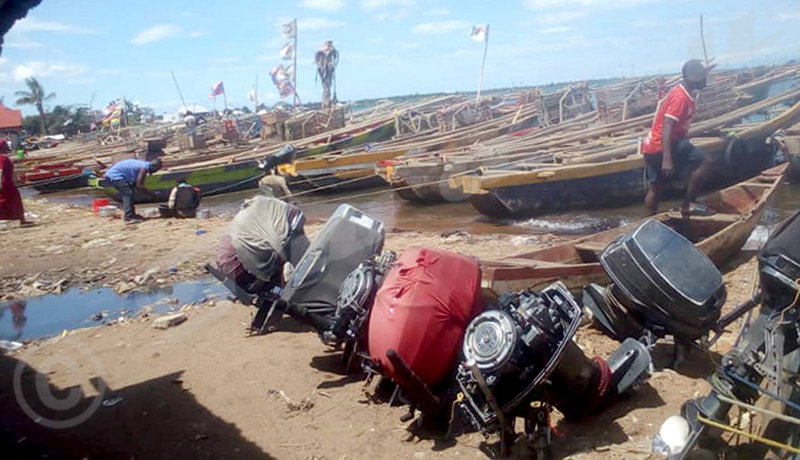
Fishermen across the communes of Nyanza and Rumonge in the Burunga region are calling for a complete reorganization of their sector. They are specifically requesting that fishing committees be established through elections conducted by the fishermen themselves. This proposed restructuring aims to address systemic issues within the sector, including poor governance, inadequate fisherman insurance provisions, and the absence of formal written contracts between fishermen and their employers. The fishing sector provides a key source of livelihood for numerous families residing in both Nyanza and Rumonge communes, showing the significance of these demands for the local economy. The fishermen's call for reorganization stems from a desire to resolve long-standing issues that have hampered their operations and well-being.
Governance and Support Gaps
Authorities dissolved structures intended to support fishermen in 2021, citing corruption and poor governance within those bodies. These dissolved structures have not been replaced, leaving a vacuum in the sector's administrative oversight. Currently, most fishing committees are managed by hill chiefs, who reportedly lack sufficient time and expertise in the fishing sector to effectively perform their duties. This arrangement has also led to difficulties in conflict resolution, as hill chiefs are often unable to address disputes that arise among fishermen, exacerbating tensions within the community.
Fishermen are operating without formal guidance or support, according to local reports. This lack of structured assistance leaves them vulnerable and without a clear point of contact for their professional needs. Initiatives to establish fisherman insurance have stalled because there are no designated fisherman representatives to engage with insurance companies. This absence of representation means that fishermen lack a collective voice to negotiate terms or even initiate discussions regarding vital insurance coverage. Another key issue is the nature of employment agreements; fishermen desire written and signed contracts with their employers, as current agreements are exclusively verbal. The reliance on verbal agreements creates instability and makes it difficult for fishermen to assert their rights or seek redress in case of disputes, noting a significant vulnerability in their working conditions.
Proposed Solutions and Committee Roles
Fishermen are urging the Department of Fisheries to organize meetings at fishing ports to facilitate elections for new fishing committee members. These proposed committees would be responsible for managing daily operations at the ports, ensuring smoother and more organized activities. They would also serve as intermediaries, connecting fishermen with the administration and other relevant institutions, thereby bridging communication gaps that currently exist. The establishment of these committees is seen as key for providing a formal structure where fishermen can voice their concerns and contribute to decision-making processes.
The push for elected committees comes as some fishermen, including young graduates, express a desire to modernize the profession. These graduates, with fresh perspectives and often a greater understanding of formal organizational structures, are keen to see the fishing sector evolve beyond its current challenges. This new structure aims to provide formal representation for fishermen, a role currently unfulfilled since the dissolution of previous support bodies in 2021. The elected committees are intended to address gaps in governance and support, ensuring that fishermen have a direct voice in decisions affecting their livelihoods and sector management. This direct involvement is expected to foster greater accountability and transparency within the sector.
Broader Impact and Support
The proposed overhaul of the fishing sector extends beyond fishermen to other stakeholders. Women cooks, known as 'Mupishi', anticipate that the establishment of these committees will assist in organizing them into associations. Their aim is to defend their rights and achieve greater financial autonomy through these collective efforts, recognizing the power of unified representation. The concept of fishing committees has also drew support from established organizations within the sector. Sadi Mukanya, the executive secretary of the Federation of Fishermen of Burundi, has publicly endorsed the idea of forming such committees, indicating broader backing for the structural changes proposed by local fishermen. This endorsement from a prominent figure in the national fishing community lends significant credibility and momentum to the local fishermen's demands.
Health and Infrastructure Concerns
The port of Mvugo in Nyanza commune has recently been affected by cholera. There is an urgent need for latrines and potable water at the Mvugo fishing port to prevent diseases, according to local reports. These infrastructure deficiencies pose a serious health risk to the fishermen and other individuals who frequent the port, further complicating their already challenging working environment. Addressing these basic sanitation and health needs is considered essential for the overall well-being of the fishing community in the area.