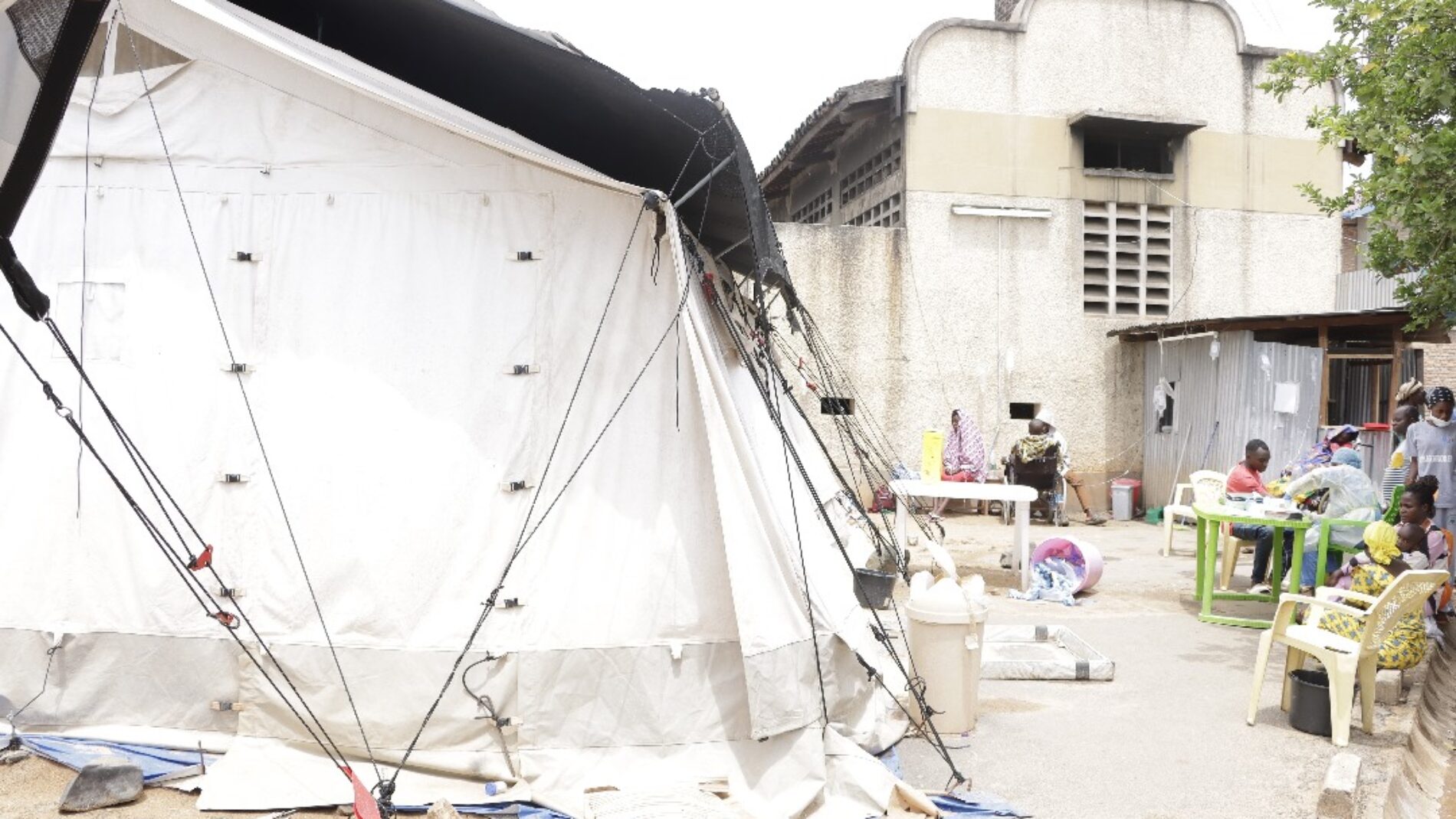
Four cases of cholera have been reported in Bujumbura's Buyenzi zone, specifically in the Swahili neighborhood of Mukaza commune, prompting an urgent request for intervention. The reported cases indicate a concentrated outbreak within the urban area. Three of the individuals affected are residents of the 5th avenue, while one person resides on the 7th avenue. This geographical clustering suggests a localized source or transmission pathway that authorities are keen to address. The local administration has formally requested the Ministry of Public Health to intervene swiftly to contain the burgeoning epidemic in the area, emphasizing the immediate need for a strong public health response.
Health Concerns and Water Woes
All affected individuals are currently receiving treatment in various health structures across Bujumbura. The immediate focus remains on containing the current cases and preventing further transmission within the community, ensuring that those afflicted receive the necessary medical care to recover. The treatment of these individuals is a critical step in managing the immediate health crisis.
Residents of the Buyenzi neighborhood have voiced significant concerns regarding the potential for the cholera outbreak to spread. This apprehension is particularly acute due to a persistent shortage of drinking water in the area. The scarcity of safe water sources compels some residents to rely on alternative, potentially contaminated, water for daily needs, raising the risk of accelerating the epidemic. This reliance on unsafe water is a major contributing factor to the vulnerability of the community to waterborne diseases like cholera. The lack of reliable access to potable water exacerbates the challenges faced by health officials in controlling the spread of the disease.
Government Response and Measures
A local administrative authority confirmed the registered cholera cases and acknowledged a serious sanitation problem within the Buyenzi neighborhood. This official recognition shows the urgency of the situation and the need for full action. The administration is calling on residents to strictly adhere to hygiene rules, including hand washing, consuming clean water, and maintaining their surroundings, as part of the public health response. These measures are fundamental to preventing the further spread of cholera and protecting community health.
On Wednesday, the Minister of the Interior, Community Development and Security, Léonidas Ndaruzaniye, and the Minister of Public Health, Fidèle Nkezabahizi, toured several districts of Bujumbura to assess hygiene measures. Their joint inspection notes the high-level government attention being given to the sanitation crisis. During their inspection, authorities issued a two-week ultimatum to property owners along major Bujumbura roads, instructing them to develop and pave the spaces between their fences, roads, and gutters. This directive aims to improve the overall cleanliness and sanitation infrastructure in the city, targeting visible public spaces that can harbor unsanitary conditions. The ultimatum provides a clear deadline for compliance, signaling the government's determination to enforce hygiene standards.
Inspections were also conducted at restaurants, bars, and markets located in the communes of Mukaza, Mugere, and Ntahangwa. These checks are designed to ensure compliance with hygiene standards in public and commercial establishments, which are often critical points for disease transmission if not properly maintained. The inspections cover a wide range of public venues where food and beverages are handled, or large numbers of people gather. Violators of sanitation rules now face sanctions, which include fines and the temporary closure of their establishments, according to government directives. This punitive approach is intended to deter non-compliance and reinforce the importance of strict adherence to public health regulations. The government's firm stance on enforcement aims to ensure that businesses contribute positively to public health rather than posing a risk.
Broader Context and Prevention
The Imbo plain in western Burundi is highly exposed to cholera epidemics, particularly during the dry season when water shortages are frequent. This susceptibility shows a broader public health challenge in the region, where environmental factors and infrastructure deficiencies create fertile ground for outbreaks. The recurring nature of these epidemics in the Imbo plain notes the need for long-term, sustainable solutions beyond immediate crisis management.
In response, the Burundian government is intensifying its national urban sanitation campaign. This full initiative seeks to address the root causes of poor public health across urban centers. The government states that this sanitation policy is designed to strengthen public salubrity and prevent diseases directly linked to poor sanitary conditions. It represents a proactive strategy to safeguard the health of its citizens.
These wider efforts complement the immediate interventions in Bujumbura's Buyenzi neighborhood, aiming to address both the current outbreak and systemic vulnerabilities. The national campaign encompasses various measures, including infrastructure improvements and public awareness initiatives, all geared towards creating a healthier urban environment. By focusing on fundamental sanitation practices and access to clean water, authorities seek to mitigate the risk of future outbreaks across vulnerable areas like the Imbo plain. The government's stated goal is to establish more resilient public health infrastructure and promote hygiene standards nationwide to protect citizens from waterborne diseases, thereby improving overall quality of life and reducing the burden on the healthcare system. The commitment to a national campaign signifies a holistic approach to public health, recognizing that localized outbreaks are often symptoms of broader systemic issues.