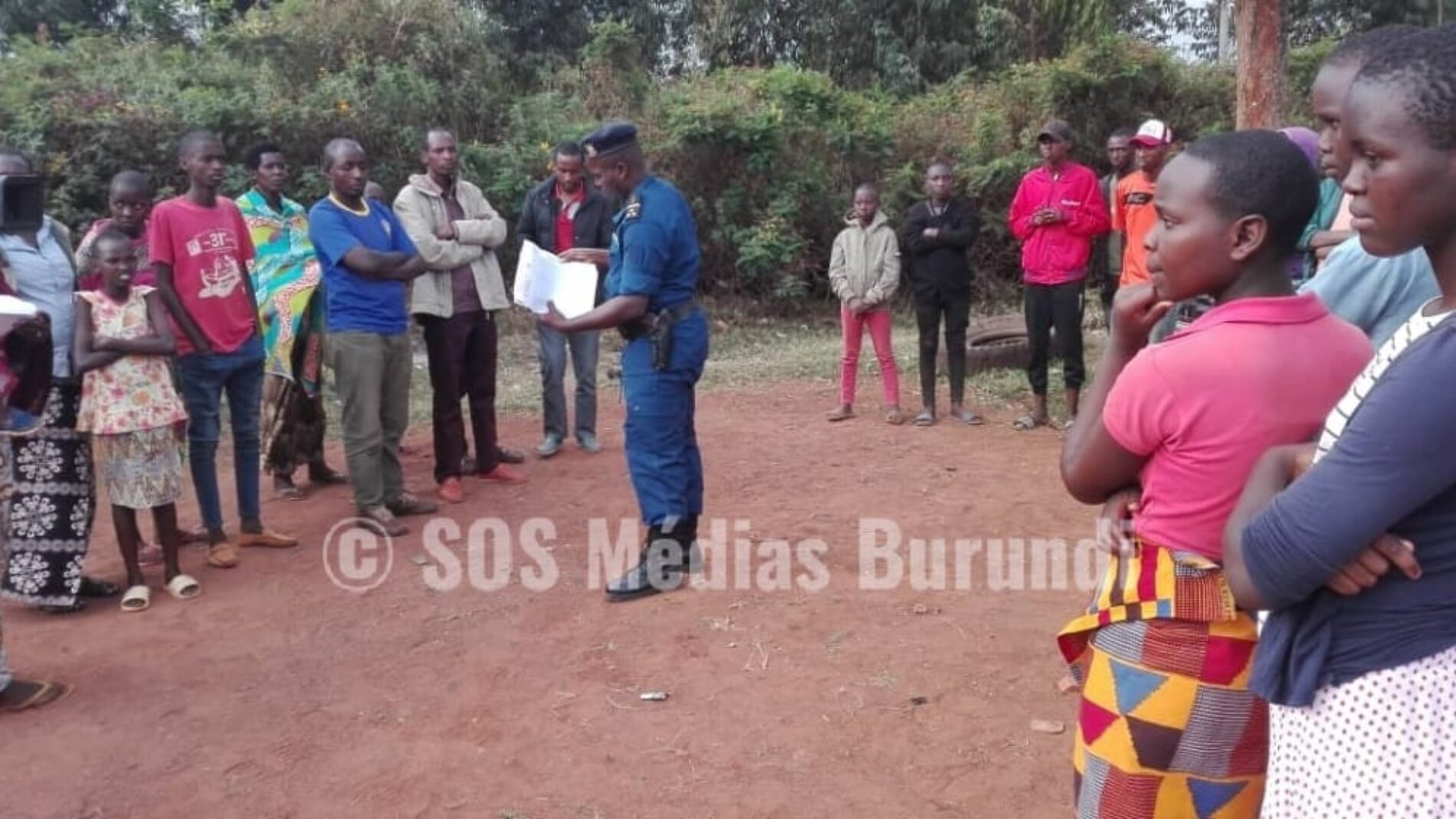
The Commission nationale indépendante des droits de l’Homme (CNIDH) organized a high-level workshop in Burundi's capital, Bujumbura, on Friday, September 4, 2026. This significant event convened repatriates and refugees within the country, aiming to address their specific human rights concerns and facilitate their reintegration into Burundian society. This initiative shows the CNIDH's ongoing commitment to safeguarding the rights of vulnerable populations and ensuring their well-being. The workshop provided a key platform for dialogue and awareness, bringing together key stakeholders to discuss the multifaceted challenges faced by these groups and to collectively explore avenues for improved protection and support. Through such focused engagements, the CNIDH seeks to strengthen the national framework for human rights protection for all.
Addressing Vulnerable Populations' Needs
The workshop convened by the CNIDH was specifically designed to present the findings from recent needs assessments conducted among repatriates and refugees. These full assessments aimed to meticulously highlight the specific difficulties faced by these groups, identify prevalent protection risks, and ultimately formulate concrete recommendations to enhance their safety and well-being. Reports from these assessments indicated that economic and social challenges within return communities often contribute to a range of vulnerabilities. These difficulties can lead to an increased incidence of gender-based violence and family conflicts, as well as family separations, which profoundly impact community cohesion. Additionally, children in these communities frequently face significant schooling difficulties, hindering their access to education, and there are heightened risks of various forms of exploitation, including economic and sexual exploitation. These findings show the urgent need for targeted interventions and sustained support.
CNIDH's Mandate and Activities
The Commission nationale indépendante des droits de l’Homme (CNIDH) carries out essential missions of monitoring, awareness-raising, advocacy, and case follow-up, which collectively contribute to strengthening the protection of vulnerable individuals across Burundi. As an advisory body to state institutions, the CNIDH plays an essential role in the dynamic of human rights protection. Within the project 'Coordination of protection activities for internally displaced persons, repatriates, and stateless persons', funded by the UNHCR, the CNIDH has organized specific activities in Gatumba and on the Gateri site. These initiatives provide key support to victims of floods caused by the rising waters of Lake Tanganyika, addressing immediate humanitarian needs and long-term recovery. These activities enable close monitoring of rights violations affecting internally displaced persons, repatriates, and refugees in these vulnerable areas, ensuring that their concerns are documented and addressed effectively.
Collective Responsibility for Protection
Internally displaced persons, repatriates, refugees, and stateless individuals often encounter specific challenges in securing their rights and accessing essential services. These difficulties commonly arise in critical areas such as obtaining necessary documentation, ensuring adequate housing, accessing quality education, receiving proper healthcare, securing full protection, and achieving fair access to justice. Mgr Martin Blaise Nyaboho, a prominent voice in human rights advocacy, emphasized that safeguarding these vulnerable groups is a shared obligation that extends beyond any single entity. He stated unequivocally that the protection of internally displaced persons, repatriates, refugees, and stateless persons constitutes a collective responsibility, showing the imperative need for broad engagement and collaborative efforts in addressing their diverse and pressing needs. This collective approach is vital for fostering an inclusive society where the rights of all individuals are respected and upheld.
Advocacy and Future Efforts
Sadate Steven Ngabishengera indicated that the CNIDH plays an essential role in human rights protection as an advisory body to state institutions, providing expert guidance and recommendations. In this capacity, the CNIDH conducts high-level advocacy with competent authorities to strengthen the legal and institutional framework for vulnerable persons, aiming to create more strong protective mechanisms. Ngabishengera emphasized the critical importance of collaboration, stating, "La collaboration entre les autorités, la CNIDH, le HCR, les organisations partenaires et les communautés demeure donc indispensable." This collaborative spirit is fundamental to ensuring that the rights of all vulnerable populations are consistently protected and that their reintegration into society is successful and sustainable. The CNIDH remains committed to its mandate of promoting and protecting human rights for all in Burundi, with a particular focus on those most at risk.