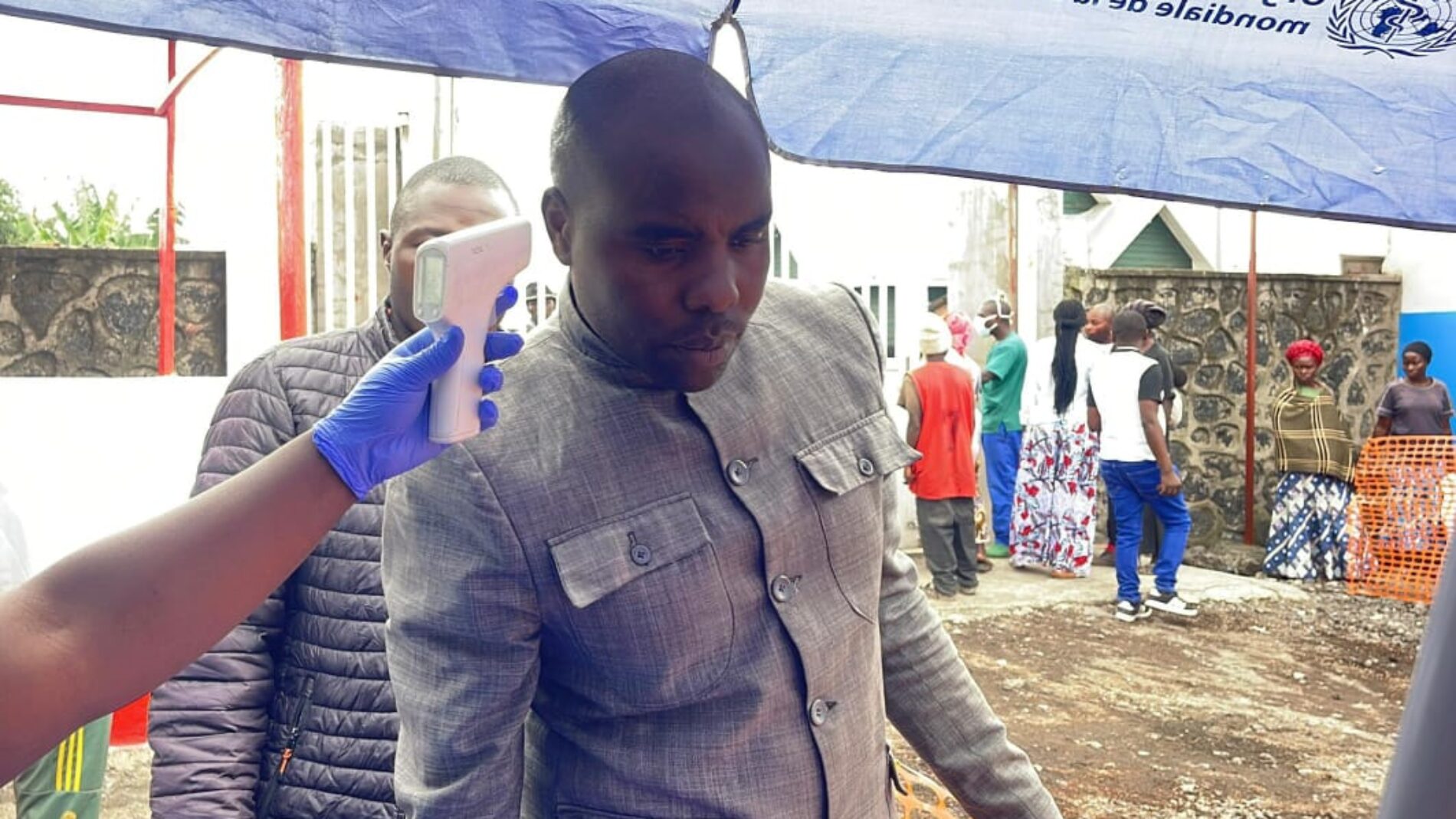
The Ebola epidemic is continuing its spread across the Democratic Republic of Congo, with the first outbreaks initially reported in the health zones of Mongbwalu and Rwampara within Ituri province. The ongoing transmission of the virus poses persistent challenges for health authorities and response teams operating in the affected regions. Efforts to contain the disease are concentrating on these initial outbreak areas, but the geographical footprint of the virus has expanded considerably since its declaration.
Epidemic's Growing Reach
The Ebola epidemic, which originated in the province of Ituri, has now spread to affect six provinces and dozens of health zones across the Democratic Republic of Congo. The initial outbreaks were reported in the health zones of Mongbwalu and Rwampara within Ituri province, marking the beginning of a complex public health crisis. The geographical expansion indicates a significant challenge for containment efforts, moving beyond the localized initial response areas. Health authorities are contending with the virus's broader reach, necessitating a scaled-up operational response across multiple administrative divisions. This wider distribution of cases complicates surveillance, contact tracing, and vaccination campaigns, requiring coordination across various provincial health administrations. The ongoing transmission poses persistent challenges for health authorities and response teams operating in the affected regions, demanding a flexible and adaptable strategy to address the evolving situation on the ground.
Strain and Treatment Gaps
Since the official declaration of the epidemic on May 15, the disease has considerably extended its geographical reach. This rapid expansion shows the difficulties in controlling the virus's movement across diverse populations and regions. The ongoing spread places additional strain on healthcare infrastructure and response capabilities in affected regions, which are often already resource-limited. The current outbreak is caused by the Bundibugyo virus. There is currently no approved vaccine or specific treatment available for the Bundibugyo virus, which complicates efforts to manage the disease effectively. This lack of specific antiviral therapies means that medical interventions are primarily focused on supportive care. Despite the lack of specific antiviral therapies, early management and supportive care can significantly improve the survival chances for infected individuals. This includes hydration, nutrition, and treatment of symptoms, which are critical for patient recovery. The absence of targeted medical interventions means public health strategies rely heavily on rapid detection, isolation, and contact tracing to curb transmission, alongside strong community engagement.
Response Capacity Strain
Initially, the Ebola epidemic affected only one province and two health zones in the Democratic Republic of Congo. The disease has since spread, now concerning six provinces and dozens of health zones across the country. This significant expansion has dramatically increased the demand on the public health system, stretching resources and personnel thin across a vast geographical area. The initial containment strategies, designed for a more localized outbreak, have had to be re-evaluated and scaled up to address this broader challenge.
Dozens of Ebola treatment centers have been established and are currently operational to manage the growing number of cases. These centers are vital for isolating infected individuals and providing the necessary medical care to improve survival rates. However, the available capacity within these centers remains insufficient to meet the scale of needs presented by the widespread epidemic. The rapid geographical expansion of the virus has outpaced the development of treatment infrastructure, leading to a persistent gap between existing resources and the requirements for effective patient care and isolation. This disparity notes the urgent need for increased investment and logistical support to bolster the response capabilities across all affected areas.
International Funding and Calls
As of early September, the epidemic has recorded over 6,700 confirmed cases and more than 3,200 deaths. These figures show the severe human toll of the ongoing crisis and the urgency of a strong, coordinated response. The Director-General of the World Health Organization, Tedros Adhanom Ghebreyesus, called on August 22 for intensified efforts to end the epidemic, emphasizing the global health threat it represents. International partners have pledged nearly one billion dollars to support the Ebola response in the Democratic Republic of Congo. These financial commitments are critical for funding the vast operational needs, from medical supplies and personnel to surveillance and community outreach. Of these commitments, Africa CDC has already accounted for nearly 700 million dollars, demonstrating a significant contribution from African institutions towards regional health security. These funds are key for scaling up operations and addressing the widespread health crisis across the affected provinces, ensuring that essential services can reach those most in need.
Expert Concerns and Outlook
The current Ebola epidemic in the Democratic Republic of Congo is caused by the Ebola Bundibugyo virus, a distinct strain identified within the Ituri province. This particular strain differs from those responsible for previous epidemics in the region, which were primarily caused by the Zaire strain. The identification of the Bundibugyo virus as the causative agent notes a specific epidemiological characteristic of the ongoing outbreak, influencing diagnostic methods and potential treatment approaches. This distinction is significant for understanding disease dynamics and informing the development of targeted public health interventions and treatment strategies, as different strains can exhibit variations in transmissibility and severity. The presence of a different strain shows the need for specific diagnostic and response protocols tailored to the unique characteristics of the Bundibugyo virus, ensuring that scientific and medical efforts are precisely aligned with the current challenge. This ongoing scientific vigilance is essential for adapting the response as new information about the virus emerges.