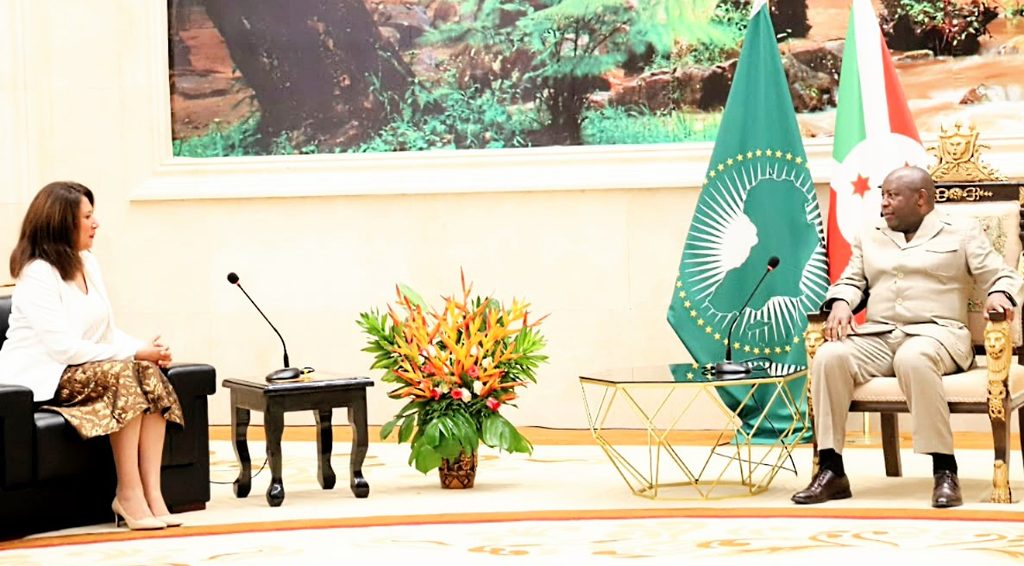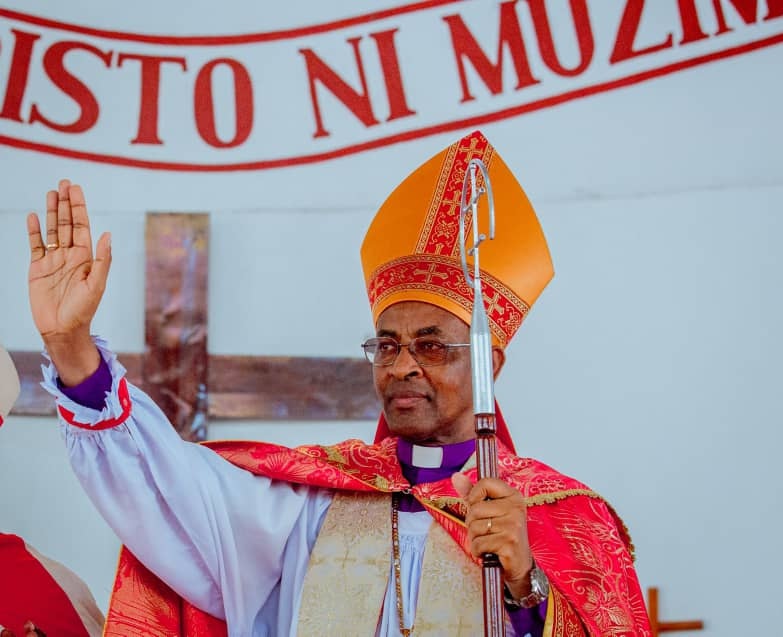
Eraste Bigirimana was installed as the new Archbishop of the Anglican Church of Burundi province during ceremonies held on Sunday, August 23, 2026. The significant event marked a new chapter for the Anglican community in Burundi. The installation ceremony took place at the Sainte Trinité Cathedral in Bujumbura, a prominent spiritual center in the nation's capital. Dignitaries and faithful members gathered to witness the transition of leadership. Edouard Bizimana, the Minister in charge of Foreign Affairs, represented Burundian Head of State Evariste Ndayishimiye at the event, showing the government's recognition of the church's role in national life. During the ceremony, the Burundian government pledged reinforcement and support for all initiatives undertaken by the Anglican Church that are aimed at inclusive development, signaling a continued partnership between the state and the religious institution. This commitment notes the government's appreciation for the church's contributions to the country's progress and well-being.
Archbishop's Vision and Oath
Archbishop Bigirimana swore fidelity and respect to the constitution, culture, and customs of the Anglican Church of Burundi during his installation, affirming his commitment to uphold the church's foundational principles and traditions. He also pledged to serve the community with dedication and integrity. Looking ahead, Archbishop Bigirimana intends to continue evangelization and development efforts to positively impact base communities and Burundians in general. His vision encompasses both spiritual growth and tangible improvements in the lives of the people. Bigirimana expressed his wish for all Burundians to change their mentalities and lifestyles to actively participate in community development, emphasizing a collective responsibility for national progress. He believes that a shift in mindset is key for sustainable development. He stated that during his mandate, he would continue to improve relations with the government, considering them principal partners, to achieve better results in their shared objectives for the nation. This approach shows a belief in collaborative governance and partnership for societal benefit. The Archbishop's oath and stated intentions set a clear direction for his leadership, focusing on spiritual guidance, community empowerment, and strategic alliances.
Church's Development Impact
The Anglican Church of Burundi plays a substantial role in the country's socio-economic landscape, contributing across several key sectors, including education, health, agriculture, and entrepreneurship. Through its various programs and institutions, the church actively works to improve the living conditions of Burundians. In recognition of this vital role, the Burundian government encouraged the church to initiate projects that align with Burundi's Vision 2040-2060, a full national strategy focused on emergence and development. This alignment ensures that the church's efforts complement and reinforce national goals. The influence of the Anglican Church extends beyond direct service provision; many faithful members of the Anglican Church hold significant positions within Burundi's public and private sectors, demonstrating the caliber and commitment of its adherents. Some of these individuals have played a key role in strengthening peace and security in the country, contributing to national stability and reconciliation. An example of a faithful member in a high position is Monseigneur Martin Blaise Nyaboho, who currently serves as the president of the CNIDH (National Independent Human Rights Commission), illustrating the church's impact on key national institutions and its commitment to human rights and good governance. The church's multifaceted contributions show its integral position within Burundian society.
Collaboration and Partnership
The Anglican Church of Burundi consistently advocates for close collaboration with the Burundian government in all its projects. This collaborative spirit is a cornerstone of its operational philosophy. The church follows the authorities' guidelines in its initiatives, ensuring that its work is integrated into the broader national development framework. This approach aims to ensure that church-led endeavors not only align with national development strategies but also contribute effectively to the country's progress and the well-being of its citizens. The commitment to working hand-in-hand with the government reflects a strategic understanding that shared goals are best achieved through unified efforts. This partnership model allows for efficient resource allocation and maximizes the impact of development projects across the nation. Archbishop Bigirimana's stated intention to improve relations with the government further solidifies this collaborative stance, recognizing the state as a principal partner in achieving the church's developmental and evangelization goals.
Government's Pledge of Support
The Burundian government reaffirmed its unwavering commitment to supporting the Anglican Church's initiatives, particularly those focused on inclusive development. This pledge was a key message delivered during the installation ceremony. Edouard Bizimana, the Minister in charge of Foreign Affairs, conveyed this pledge on behalf of Burundian Head of State Evariste Ndayishimiye during Archbishop Eraste Bigirimana's installation, emphasizing the high-level endorsement of this partnership. The government specifically encouraged the Eglise anglicane du Burundi to initiate projects aligned with the nation's Vision 2040-2060 strategy for emergence and development. This strategic alignment is key for ensuring that efforts from all sectors contribute cohesively to Burundi's long-term prosperity. This support shows a collaborative approach between the state and religious institutions to foster national progress, recognizing the significant role religious organizations play in community building and development. The government's commitment serves as a foundation for continued cooperation, promising a fruitful partnership under the new Archbishop's leadership.