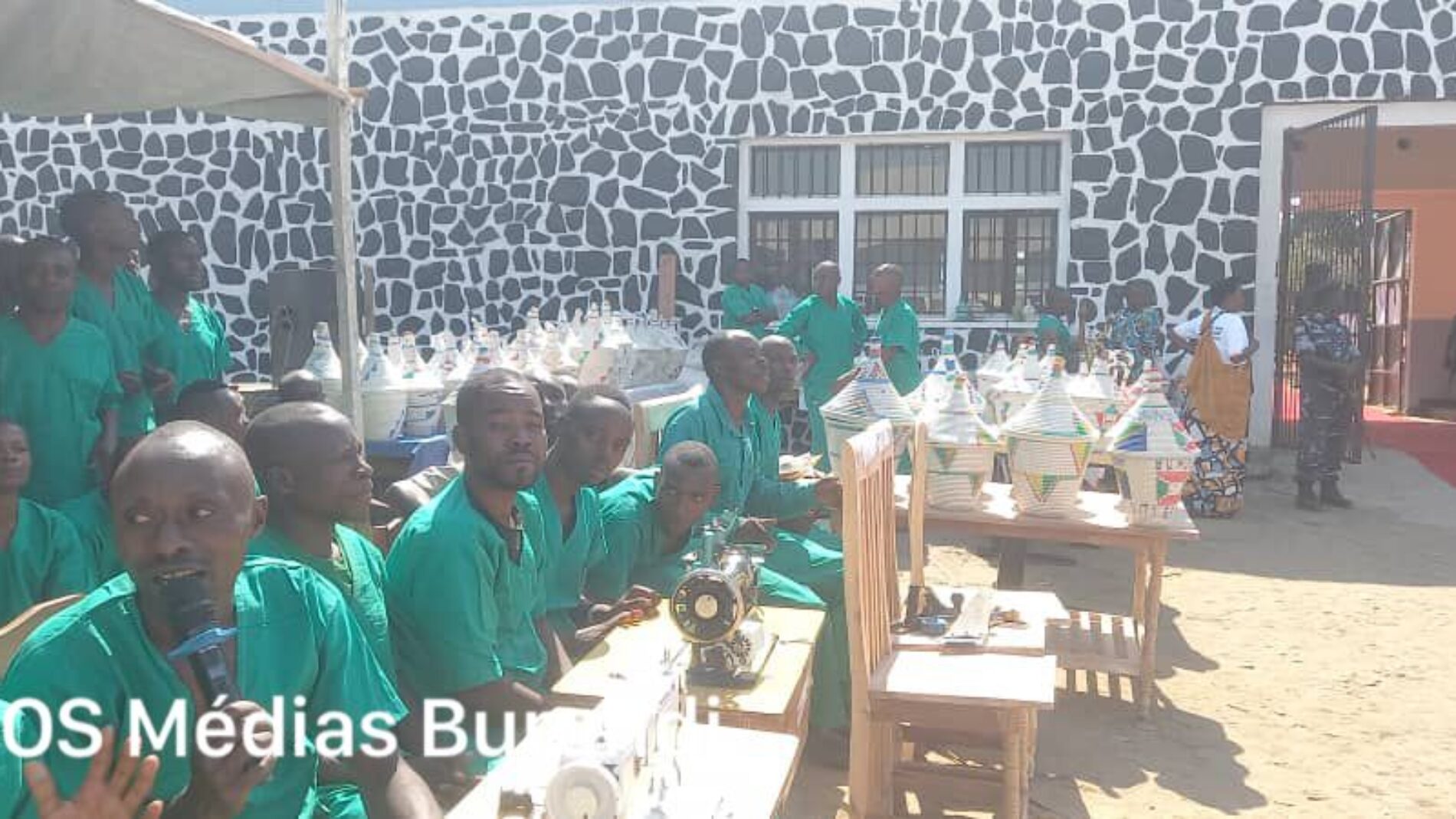
Murembwe central prison, located in the commune of Rumonge, Burunga province, in southwestern Burundi, is currently facing a significant supply crisis. Detainees at the facility have been experiencing a shortage of manioc and maize flour since the beginning of October 2026. The lack of these staple food items has impacted the population held within the southwestern Burundi prison throughout the month. Authorities managing the facility in Burunga province have yet to address the specific causes behind the reduction in available rations for those incarcerated at the Rumonge site. The Murembwe central prison is situated in the commune of Rumonge, Burunga province, in southwestern Burundi, serving as a primary detention site for the region. Since the beginning of October 2026, detainees at Murembwe prison have been experiencing a shortage of manioc and maize flour, which are essential components of the daily diet provided to those held within the walls of the facility.
Overcrowding and Resource Strain
Murembwe central prison currently houses more than 1,300 detainees, a population level that exceeds the facility's designated capacity of 800 people. This significant discrepancy between the number of individuals held at the site and the infrastructure available to accommodate them has exacerbated the ongoing strain on internal resources. The Murembwe central prison currently houses more than 1,300 detainees, despite having a capacity of only 800 people. This overcrowding directly impacts the distribution of basic necessities and contributes to the logistical challenges faced by the staff tasked with managing the daily requirements of the prison population. The physical infrastructure at the Rumonge site is under constant pressure due to the density of the population, which complicates efforts to maintain standard operational procedures regarding food storage and distribution.
Economic pressure on those incarcerated is further compounded by the cost of fuel for cooking. A bucket of charcoal is sold for 20,000 Burundian francs inside the prison. This price represents a marked increase from the 12,000 francs charged for an equivalent bucket of charcoal outside the facility. The financial burden placed on families attempting to assist their relatives is substantial, as the price differential creates a difficult environment for those attempting to secure basic cooking fuel.
Detainees are reportedly prohibited from receiving charcoal brought by their families from outside the prison. Prison administration policies restrict the entry of this fuel, forcing individuals to rely on internal market sources despite the higher costs. This restriction on external supplies forces families to navigate the limited options available within the Rumonge facility to support their relatives. Because the administration of the Murembwe central prison maintains strict control over the entry of goods, the internal market remains the sole point of access for fuel. Consequently, the price of 20,000 Burundian francs per bucket remains the standard for detainees who require charcoal to prepare their limited rations of manioc and maize flour. The inability to supplement these resources from external sources leaves the prison population reliant entirely on the internal supply chain and the associated pricing structure enforced within the facility.