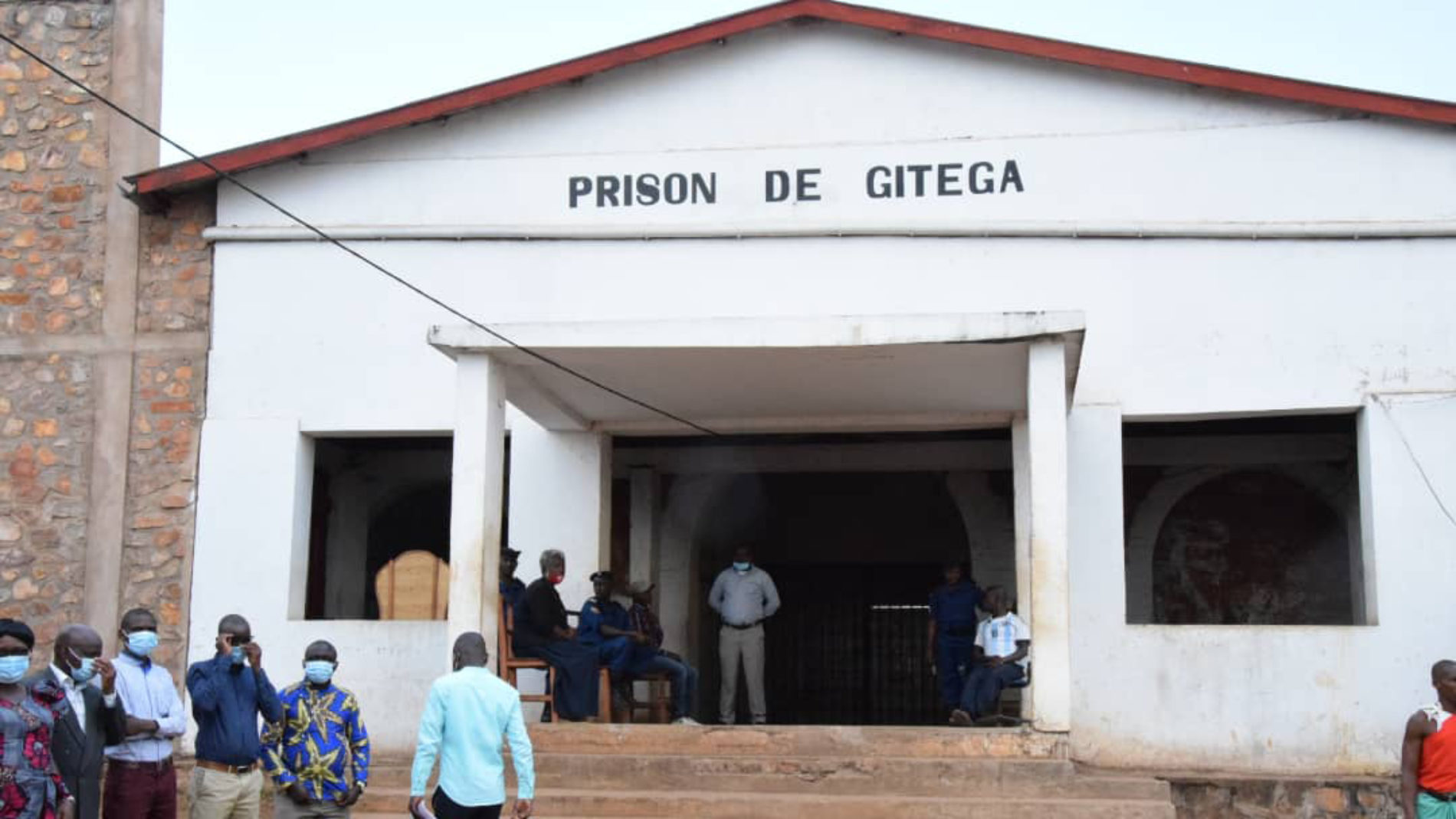
A severe food shortage at Gitega central prison in Burundi's political capital is causing significant concern among detainees. More than 1,400 prisoners have reportedly faced an alarmingly insufficient food supply for nearly two weeks. The prolonged scarcity of essential provisions has raised worries regarding the well-being of the incarcerated population in the facility, prompting calls for urgent intervention. Detainees within the prison are experiencing considerable distress due to the persistent lack of adequate nutrition.
Daily Rations Diminish
Detainees at Gitega prison are currently receiving approximately 350 grams of corn or cassava flour daily. This meager amount constitutes their primary sustenance. Beans, which typically accompany the flour paste and are considered a key source of protein, have been absent from rations for several days. This significant reduction in the nutritional value of meals exacerbates the already challenging conditions. This dire situation particularly impacts detainees from the regions of Karusi, Cankuzo, and Ruyigi in the central-east and eastern parts of the country, who are among the most vulnerable to the food scarcity. Only about 100 detainees, those suffering from chronic illnesses, receive food assistance provided by the Catholic Church of Burundi, facilitated through the Archdiocese of Gitega. This targeted aid, while vital for those it reaches, notes the acute needs of the broader prison population. The majority of the prison population remains reliant on the diminished general rations, struggling with insufficient and unbalanced meals.
Overcrowding and Past Issues
Gitega central prison, originally constructed in 1926 to house approximately 400 detainees, currently accommodates over 1,400 individuals, representing an overcrowding rate exceeding 400%. This severe congestion significantly exacerbates challenges within the facility, placing immense strain on all available resources, including food supplies. The lack of space and basic amenities compounded by the food crisis creates an untenable environment for the prisoners. Adding to the prison's ongoing difficulties, a similar food shortage was reported in March at the same institution, indicating a recurring problem with provisions for its incarcerated population. This pattern suggests systemic issues in maintaining adequate food supplies for the growing number of inmates. The persistent issues of overcrowding and insufficient food supply have been points of concern for prison authorities and humanitarian organizations observing conditions within Burundian correctional facilities, who have repeatedly warned about the deteriorating situation.
Wider Prison System Strain
Similar difficulties, particularly regarding food and detention conditions, are reported in several other overcrowded prisons across Burundi. These challenges extend beyond Gitega, indicating a broader strain on the country's correctional system. The widespread nature of these issues suggests systemic pressures affecting the well-being of detainees in multiple facilities, pointing to a national crisis in prison management and resource allocation. Overcrowding frequently exacerbates these problems, leading to inadequate resources for the incarcerated population, including insufficient food, poor sanitation, and limited access to healthcare. The recurring reports of food shortages and poor living conditions highlight ongoing concerns within Burundi's prison infrastructure, showing the urgent need for full reforms and increased support for the entire correctional system.
Urgent Need for Aid
The severe food shortage affecting over 1,400 detainees at Gitega central prison, alongside critical overcrowding and recurring issues, shows an urgent need for external humanitarian assistance. With daily rations significantly diminished and beans absent, the well-being of the incarcerated population is at severe risk, potentially leading to malnutrition and related health complications. While the Catholic Church of Burundi, through the Archdiocese of Gitega, provides some support to chronically ill detainees, this assistance only reaches a small fraction of those in need, leaving the vast majority vulnerable to hunger and its consequences. The persistent challenges in Gitega and other Burundian prisons highlight a systemic strain, necessitating immediate intervention from humanitarian organizations to prevent further deterioration of conditions and ensure basic provisions for detainees. Addressing these issues requires a concerted effort to alleviate the immediate food crisis and implement long-term solutions for sustainable prison management.