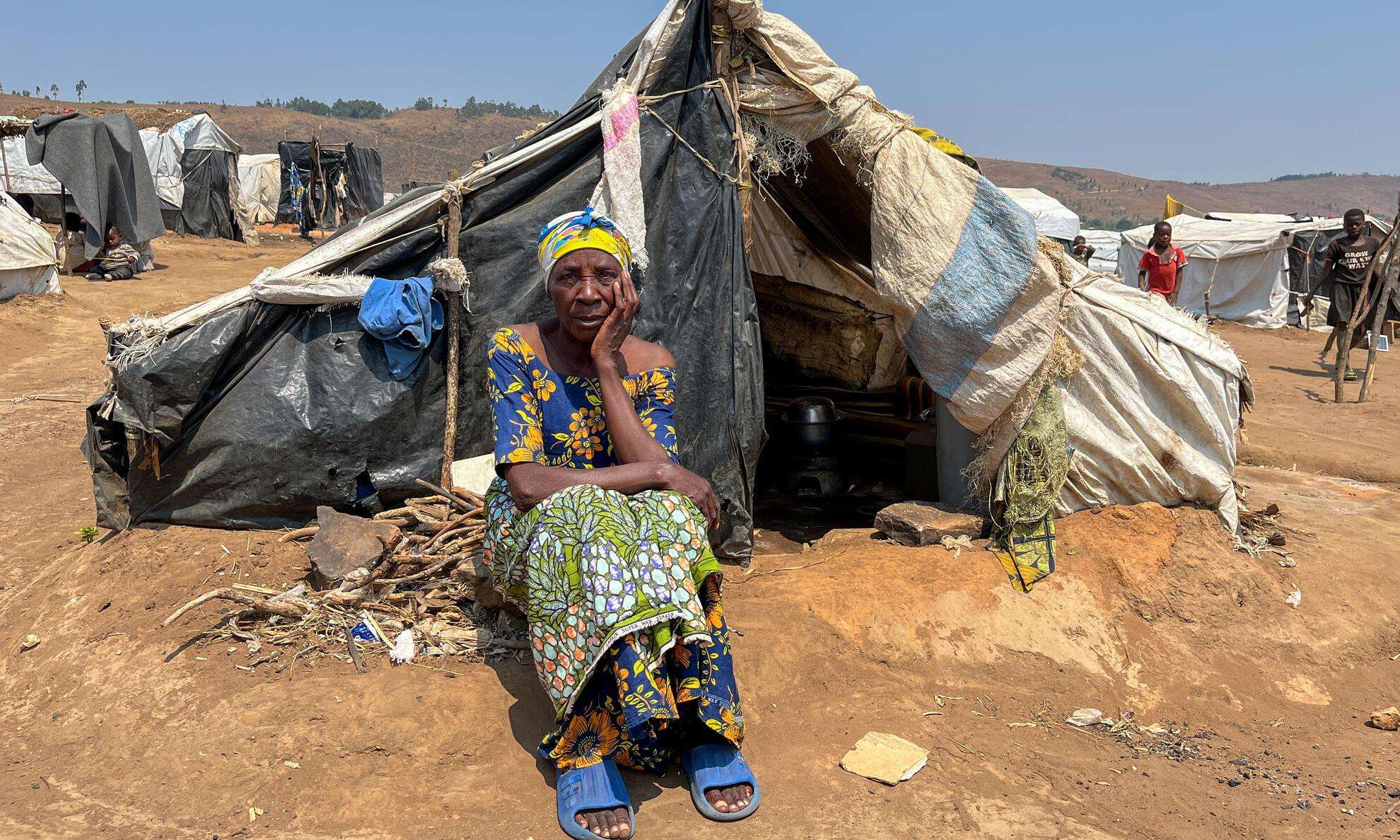
Tens of thousands of people fled violence in the Democratic Republic of Congo and arrived at the Busuma camp in eastern Burundi. This mass movement of civilians occurred as individuals escaped conflict across the border. Many families sought refuge within the facility after departing their homes in the Democratic Republic of Congo. The influx places significant pressure on existing resources at the site, which serves as a primary destination for those crossing into eastern Burundi. Authorities and aid organizations are monitoring the situation as the population at the camp continues to rise following the recent instability.
Funding Shortages Cripple Aid
Approximately 35,000 people remained in the Busuma refugee camp as of October 2026. Several humanitarian organizations operating at the site report that current funding will expire by the end of 2026, with some programs lacking resources beyond October 2026. MSF emergency response coordinator Ouo-ouo Sakouvogui stated, "Due to insufficient funding, food and cash distributions have been repeatedly scaled back and shelter needs remain enormous." MSF clinical psychologist Vanessa Niyonizigiye added, "Many people are deeply desperate. Aid is dwindling, while some people do not even have a tarpaulin or a blanket to protect themselves. We are seeing depression, anxiety, psychosis, and post-traumatic stress disorder (PTSD)." Residents Freddie Machozi and Asiya Bipemaju described the severe conditions, noting they struggle to feed their families.
Dire Conditions for Refugees
Sanitation facilities at the Busuma refugee camp reached critical levels of scarcity during September 2026. Data recorded during that month indicated a ratio of one latrine for every 119 people, while shower facilities were limited to one for every 242 individuals. These figures highlight the lack of basic infrastructure available to the displaced population as the number of residents continues to strain site capacity.
Medical services provided by Médecins Sans Frontières (MSF) remain a primary source of healthcare for those residing within the facility and the nearby host community. Between July and September 2026, MSF medical teams performed more than 12,000 outpatient consultations to address the health needs of the camp population and local residents. These efforts occur alongside the ongoing challenges of resource management and the physical instability of the camp environment.
Refugee Ibonge Alinoti expressed frustration regarding the duration of the displacement and the lack of essential goods. "It feels as though we are goats tied to a stake and left there to graze," Alinoti said. "I thought I would be able to go home in April, but we are still in this camp where everything is in short supply. We are suffering so much."
Despite the hardships faced by those remaining at the site, some individuals have opted to leave the camp. More than 20,000 refugees have returned to the Democratic Republic of Congo since April 2026 as part of a voluntary repatriation program managed by the UN Refugee Agency. This program provides an organized pathway for those choosing to depart the facility to cross back into the Democratic Republic of Congo. The departures represent a shift in the camp's demographics, even as the remaining population continues to deal with the existing shortages of food, shelter, and sanitation.