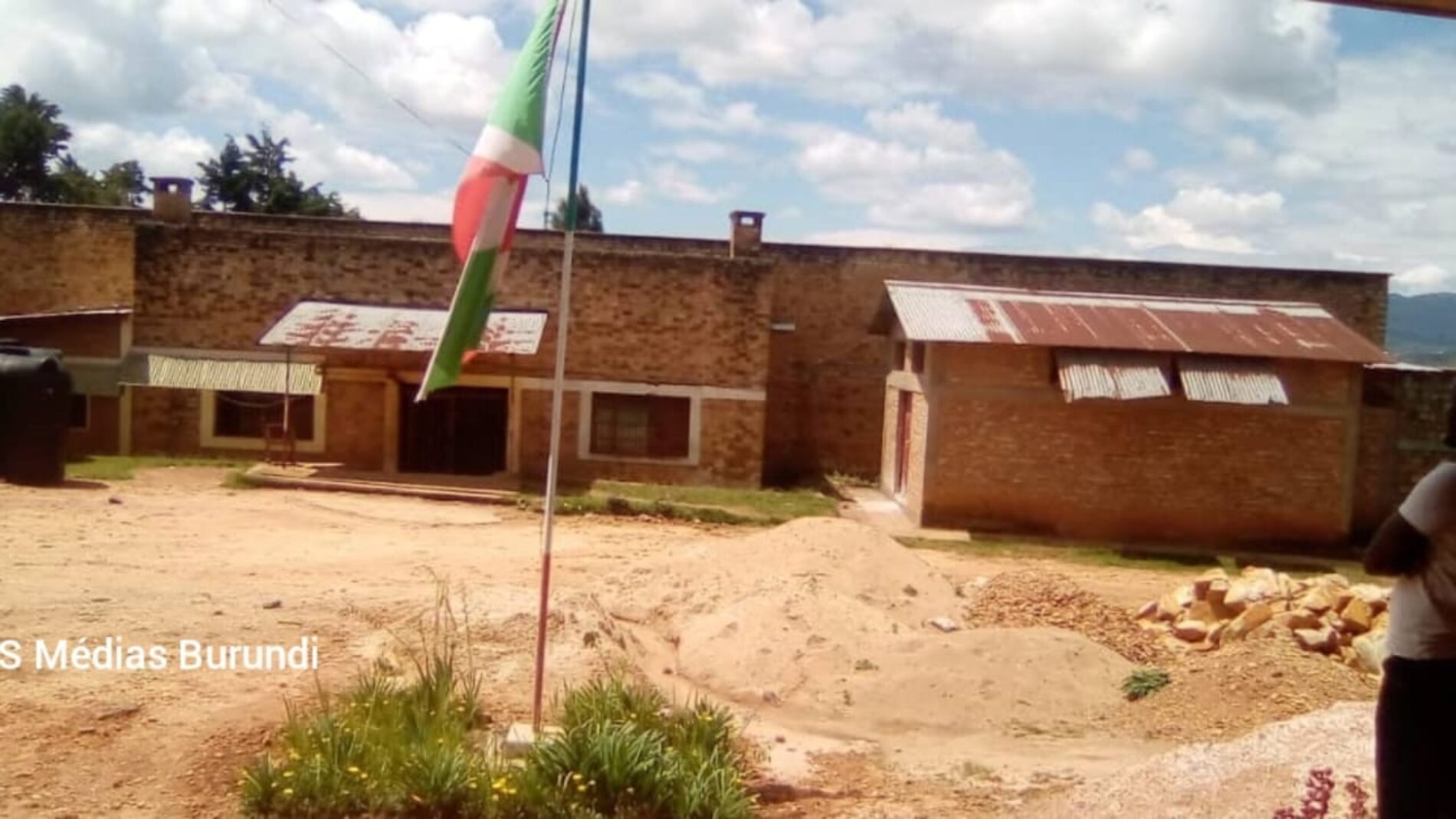
An epidemic of malaria has claimed the lives of three prisoners and affected more than thirty others at the central prison of Muramvya, located in Burundi's Gitega province, since early August. The disease, characterized by high fevers and persistent diarrhea, began spreading among inmates at the start of the month. Frank Mananzigama, Viateur Hatungimana, and Égide Icishatse have been identified as the three deceased prisoners. A team from the Ministry of Health conducted analyses, confirming the illness as malaria, with several inmates experiencing complications from the disease. The outbreak has intensified concerns regarding the health and living conditions within the severely overcrowded correctional facility.
Health Crisis Unfolds Amidst Resource Shortages
The health crisis at Muramvya central prison has necessitated urgent medical interventions. As the outbreak intensified, several prisoners required transfer to Muramvya hospital for more full medical care than could be provided within the prison walls. The prison's internal health center currently lacks a laboratory, which critically impedes the rapid diagnosis of symptoms among inmates. This absence means that medical staff within the facility are unable to quickly determine the specific cause of the symptoms displayed by prisoners, delaying appropriate treatment.
Compounding these diagnostic challenges, there is also a reported shortage of essential medicines within the facility. This scarcity of key pharmaceuticals further complicates the provision of timely and effective treatment for the affected inmates. The lack of necessary medications has had direct consequences for those requiring hospitalization. Some prisoners who were hospitalized at Muramvya hospital were reportedly compelled to purchase their prescribed medications from external pharmacies due to these internal shortages, placing an additional burden on inmates or their families. As of the latest reports, three inmates remain hospitalized at Muramvya hospital, receiving ongoing treatment for their severe conditions. The ongoing health crisis notes systemic issues within the prison's healthcare provision. Conditions within the prison continue to raise concerns, with persistent issues including severe overcrowding, significant difficulties in accessing adequate medical care, and ongoing problems with the food supply for prisoners. These factors collectively contribute to a precarious environment for inmate health.
Dire Overcrowding Conditions Exacerbate Health Risks
The Muramvya central prison, a facility originally constructed in 1948, was designed with a capacity to accommodate approximately 100 inmates. This historical design capacity stands in stark contrast to its current occupancy, creating an environment ripe for the rapid spread of infectious diseases. The prison presently houses 836 inmates, a figure that represents more than eight times its initial intended capacity. This severe overcrowding has raised significant concerns among human rights observers and health officials, particularly in light of the ongoing malaria epidemic within the facility. The close proximity of inmates in overcrowded conditions facilitates the transmission of illnesses like malaria and complicates efforts to contain outbreaks. The discrepancy between the prison's foundational design and its present-day population notes a critical challenge in managing inmate welfare and public health, making effective disease control exceptionally difficult. The lack of space also impacts hygiene and sanitation, further contributing to health vulnerabilities.
Food Shortages Compound Issues for Vulnerable Population
Food shortages are further exacerbating the difficult conditions at Muramvya prison, adding another layer of vulnerability to the inmate population already battling a serious epidemic. The facility’s 836 inmates have not received their daily ration of beans since the beginning of the week, a situation attributed to a stock rupture with suppliers. This disruption affects a critical component of the prisoners' diet, which is officially planned to include 350 grams of flour per person daily, alongside other staples. The sudden absence of beans, a key protein source, compromises the nutritional intake of the inmates. The lack of essential food items adds to the health challenges faced by the overcrowded prison population amidst the ongoing malaria epidemic, potentially weakening immune systems and hindering recovery for those affected by the disease. Adequate nutrition is key for recovery from illness and for maintaining general health, making these food shortages particularly concerning during a health crisis.
Official Response and Definitive Diagnosis
In response to the escalating health crisis, a team from Burundi's Ministry of Health visited Muramvya prison to investigate the situation firsthand. During their visit, health officials collected samples from affected inmates as part of a thorough diagnostic process. These samples were taken as part of an effort to identify the specific cause of the symptoms observed among the prison population, which included high fevers and persistent diarrhea. The Ministry's intervention aimed to provide a definitive diagnosis for the illness spreading within the overcrowded facility, which has already led to multiple deaths and numerous cases of severe illness. Following full analyses of the collected samples, the Ministry of Health team definitively identified the disease as malaria, confirming the suspicions of medical personnel on the ground. The analyses also indicated that several inmates were experiencing complications from the disease, showing the severity of the outbreak. This official response follows initial reports of high fevers and persistent diarrhea among prisoners since early August, marking a critical step in understanding and addressing the public health emergency.