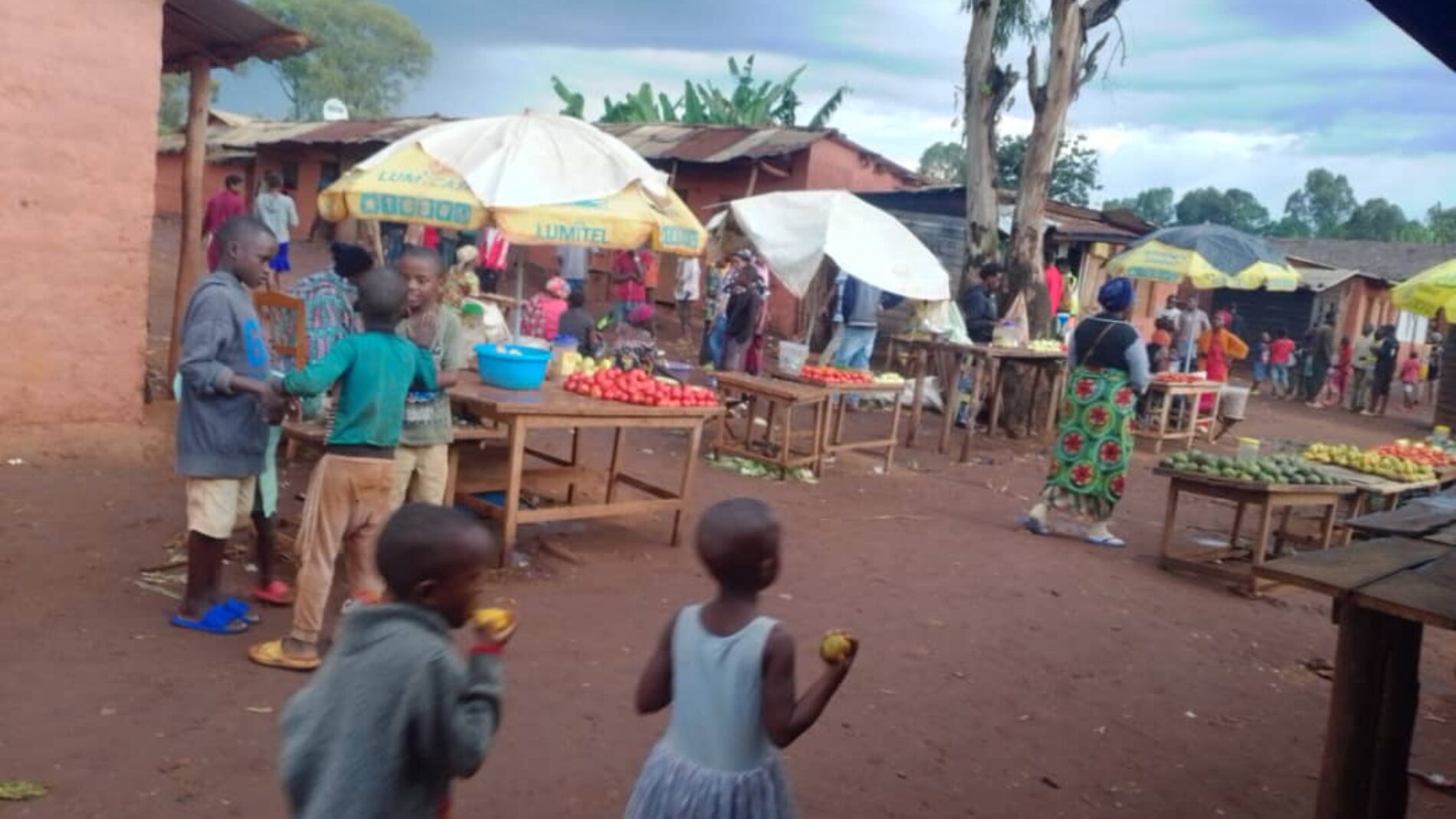
Parents in Musasa Camp are preparing for the upcoming school year, which is scheduled to begin on September 7. The impending start date for classes is prompting urgent discussions among families regarding educational access and financial pressures. This challenging situation is occurring in a broader context of reduced humanitarian aid and a significant increase in the cost of living, exacerbating the difficulties faced by residents.
Struggles with School Supplies
Parents in the Musasa refugee camp are experiencing considerable difficulties in acquiring essential school supplies for their children as the September 7 school year start date rapidly approaches. The primary challenge stems from severe financial constraints and limited access to educational materials within the camp itself. Oumar, a parent residing in the camp, faces particularly significant hurdles in preparing his six children for the upcoming academic year. The considerable need to provide supplies for multiple children exacerbates the financial strain on families like Oumar's, who already contend with the harsh realities of aid cuts and continuously rising living costs. Securing basic necessities such as notebooks, pens, and uniforms for all school-aged children remains a primary and pressing concern for many parents in Musasa, threatening their children's ability to attend school adequately prepared.
Teacher Shortages and Funding Gaps
The challenges at Musasa Camp unfold against a persistent backdrop of reduced humanitarian aid and a steadily rising cost of living. This broader financial strain has had a direct and detrimental impact on educational resources available within the camp. During the 2025-2026 school year, several Burundian teachers working in the camp reportedly departed from their positions. These dedicated educators cited insufficient remuneration as the primary reason for their resignations, noting the financial pressures impacting even those providing vital services. In prior academic years, refugee students had consistently received key school kits as part of broader humanitarian assistance. The UNHCR, working through its esteemed partner Jesuit Refugee Service (JRS), was a notable and consistent provider of these essential educational supplies, which greatly alleviated the burden on families. However, the absence of such provisions this year compounds the difficulties faced by families, leaving many struggling to fill the gap independently. Over the past two school years, the distribution of these essential school kits has faced significant delays, primarily attributed to persistent and unresolved funding difficulties, leaving students without necessary materials for extended periods.
Parental Concerns and Camp Context
The Musasa camp, where many families are grappling with these profound educational challenges, hosts a substantial population of over 9,000 refugees. This significant population size amplifies the impact of aid reductions and increased expenses on individual households, spreading the strain across a wide community. The camp's residents, primarily from Burundi, face a complex and precarious environment where securing even basic necessities like school supplies has become increasingly difficult. The upcoming school year, set to commence on September 7, shows the urgency and severity of these concerns for parents who fear for their children's educational future. The sheer number of children requiring educational provisions within the camp means that any disruption to aid or increase in costs affects a substantial portion of the community, creating widespread anxiety and uncertainty.
Uncertainty for Refugee Education
The UNHCR has not yet identified a donor to finance assistance for refugee students for the upcoming academic year, according to sources familiar with the situation. This lack of confirmed funding creates significant uncertainty for thousands of children. Over the past two school years, the distribution of essential school kits has faced recurrent delays, primarily attributed to persistent funding difficulties that have plagued humanitarian efforts in the region. This ongoing struggle to secure consistent funding casts a long shadow over the future of education for refugee children in Musasa Camp, leaving parents and students in a state of apprehension as the new school year approaches without clear solutions in sight.