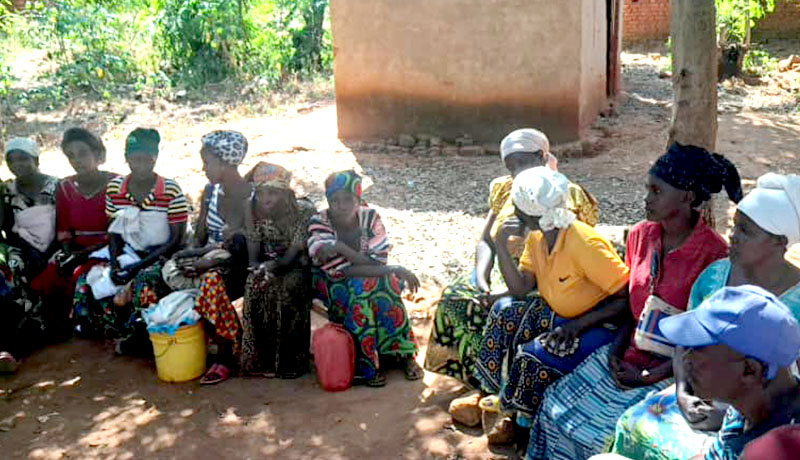
Colline Mugerama, a community grappling with the profound after-effects of displacement, is witnessing a concerning rise in hate speech and social friction. A significant portion of Colline Mugerama's population previously lived in refugee camps in Tanzania or the RDC, having been displaced by recurrent crises in Burundi. Indeed, the majority of Mugerama hill's inhabitants spent part of their lives in refugee camps in Tanzania or the DRC due to these cyclical crises, which have left a lasting imprint on the community's social fabric.
Upon their return, some of these repatriates report feeling a lack of full acceptance from the host community, according to observations from the area. This sentiment of not being fully integrated or understood by their fellow citizens is a significant barrier to social cohesion. This lack of acceptance has led some returnees to isolate themselves, avoiding neighborly interactions and fostering distrust towards both authorities and other community members. Such isolation creates an environment ripe for misunderstanding and resentment. Individuals who have experienced trauma may interpret current events through the filter of these past painful experiences, potentially exacerbating tensions on the hill. The lingering effects of unaddressed trauma can thus become a significant barrier to social cohesion on Colline Mugerama, influencing daily interactions and community dynamics.
Repatriates' Lingering Struggles
Repatriates returning to Colline Mugerama frequently encounter significant challenges, including land conflicts, difficulties in accessing adequate housing, and widespread poverty. These obstacles are not merely practical concerns; they can serve to reawaken past wounds for individuals who have endured displacement and conflict. The struggle to secure basic necessities like land and housing often triggers memories of past instability and loss. Such difficulties in securing land, housing, employment, or basic social services contribute to ongoing instability among returnees, making it difficult for them to establish a firm footing in their home communities. This persistent struggle for resources and recognition is a critical factor in the current social climate. Observers note that large-scale massacres or conflicts are often preceded by an extensive period of preparation and escalating tensions, a pattern that shows the importance of addressing underlying grievances before they escalate. It is widely understood that large-scale massacres or conflicts are always preceded by a long preparation process, making early intervention and resolution of these issues critical.
Psychological Roots of Tension
Untreated psychological traumas can foster the spread of hate speech and contribute to collective violence, according to psychological analyses. This connection between unaddressed mental health issues and social unrest is a critical area of concern for Colline Mugerama. Individuals who have experienced injustice or discrimination are prone to recalling past suffering, which can reinforce existing neighborhood tensions. This constant re-experiencing of past grievances makes it difficult for affected individuals to engage constructively in dialogue, contributing to an environment where divisions deepen rather than heal. Psychologist Félicité Ntikurako states that past trauma significantly influences both behavior and language, causing individuals to relive events as though they are happening in the present. This phenomenon, known as the reviviscence of trauma, means that traumatized individuals may interpret current situations through the lens of past painful experiences, distorting their perception of present-day interactions and challenges.
Ntikurako further explains that this reviviscence of trauma often leads to a generalization where victims perceive all others as potential wrongdoers. Such a perspective can hinder reconciliation efforts and perpetuate cycles of mistrust within communities, making it challenging to build bridges between different groups within the hill. The constant re-experiencing of past grievances can make it difficult for affected individuals to engage constructively in dialogue, contributing to an environment where divisions deepen rather than heal. This psychological dynamic suggests that addressing historical wounds is critical for mitigating current and future conflicts. The lingering effects of unaddressed trauma can thus become a significant barrier to social cohesion on Colline Mugerama, impacting everything from neighborly exchanges to trust in local authorities.
Official Response and Solutions
William Hamenyimana, Mugerama's hill counselor, acknowledges that lingering past wounds are reflected in the language used by some residents. This recognition from local leadership is a key step towards addressing the issue. Hamenyimana stated that the administration has resolved 90% of cases concerning repatriates not being fully reinstated in their rights, indicating significant progress in addressing legal and administrative hurdles. The local administration is actively engaged in sensitizing the population to promote good coexistence, an effort aimed at fostering understanding and reducing animosity among residents. This sensitization work is vital for building a more harmonious community.
Psychologist Félicité Ntikurako recommends strengthening psychosocial support for the community, emphasizing the need for full mental health services. Ntikurako further suggests establishing community therapeutic spaces within existing infrastructure, such as schools, health centers, and other public institutions, to address the psychological impacts of past traumas. These readily accessible spaces would provide much-needed support for individuals struggling with the long-term effects of conflict and displacement. These measures aim to foster healing and improve social cohesion on Colline Mugerama, creating a more resilient and integrated community for all its inhabitants. The combined efforts of administrative resolution and psychological support are seen as essential for overcoming the deep-seated challenges faced by the hill.