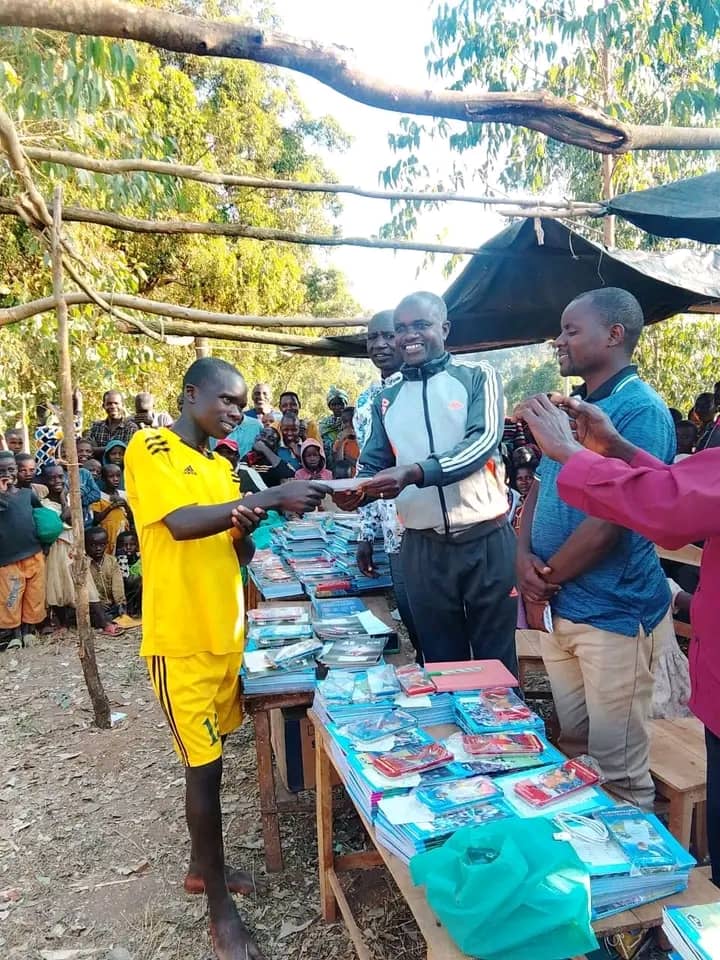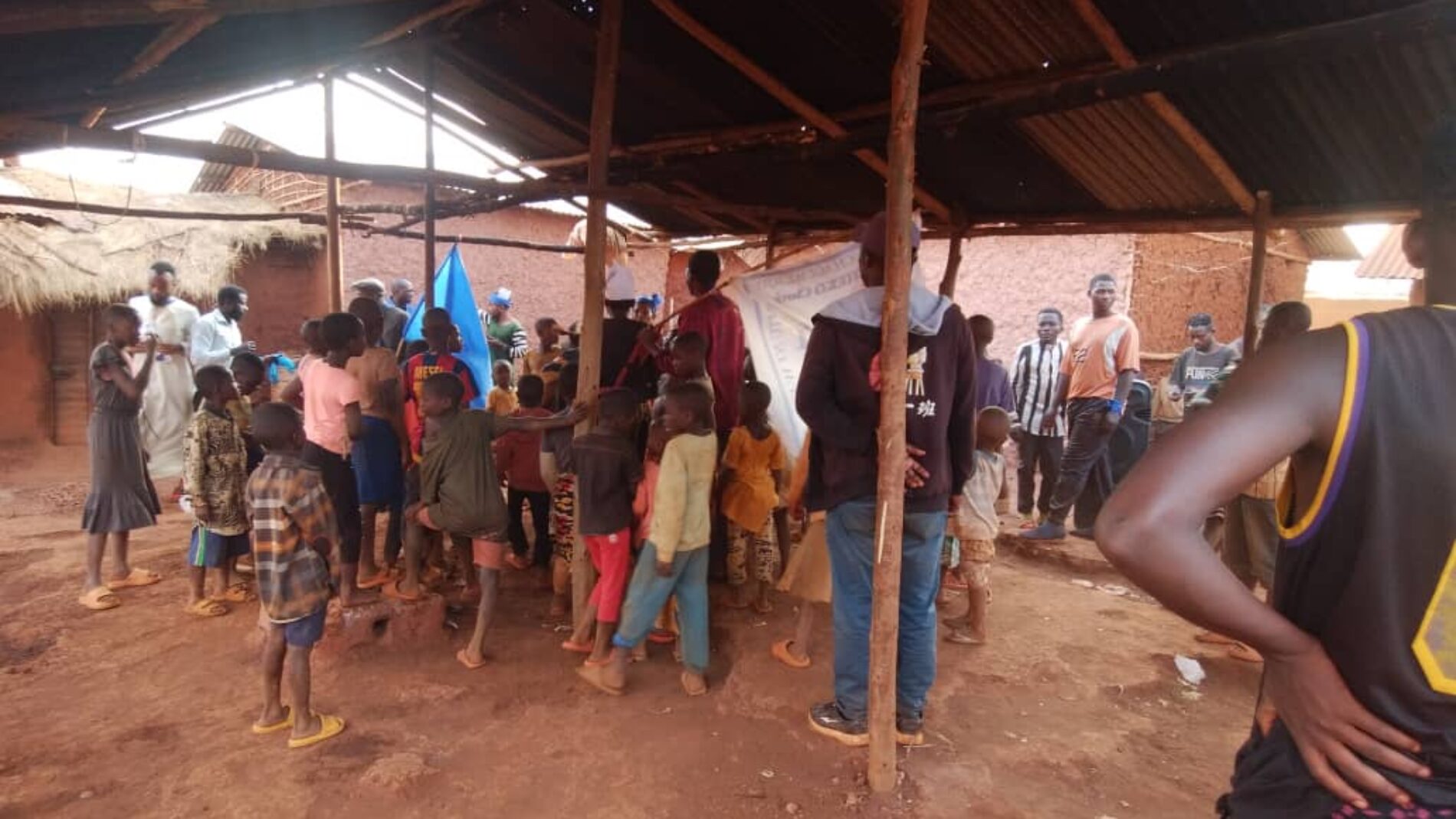
Nine hundred and seven refugee households residing in Musasa and Kinama camps in Burundi are receiving capital to establish income-generating activities. This initiative aims to equip these families with a sustainable source of income, thereby reducing their reliance on humanitarian assistance. The overarching goal is to enable these families to gradually develop their own stable revenue streams and depend less on the humanitarian aid they have historically received. Of the total beneficiaries, 505 households are located in Musasa camp, which is situated in the province of Butanyerera in northern Burundi. The remaining 402 households are in Kinama camp, found in the province of Buhumuza in eastern Burundi. This distribution covers all 907 households targeted by the program, ensuring a broad reach across the two significant refugee settlements.
Financial Support Details
The initiative marks a strategic shift in humanitarian assistance, aiming to transform traditional aid into productive capital. This approach provides refugee households with direct financial means to establish their own income-generating activities, fostering self-sufficiency. Each beneficiary household receives a sum of 585,500 Burundian francs, which is approximately equivalent to 200 US dollars. This new financing is specifically intended to enable households to invest the support in ventures likely to generate sustainable income. The objective is to move beyond direct consumption aid towards investments that can yield long-term economic benefits for families.
A key preparatory step for the beneficiaries involved full training and planning. Prior to receiving these funds, all beneficiary households were assisted in developing detailed business plans. This foundational work ensures that the capital is deployed strategically and effectively, increasing the likelihood of successful ventures. For this initial wave of disbursements, the financing is primarily directed towards agricultural and livestock activities, sectors identified as having significant potential for income generation within the local context. The financial support for this vital program is provided by the World Bank, channeled through the World Food Programme (WFP), noting a collaborative effort to address food security and livelihood challenges.
Context of Declining Aid
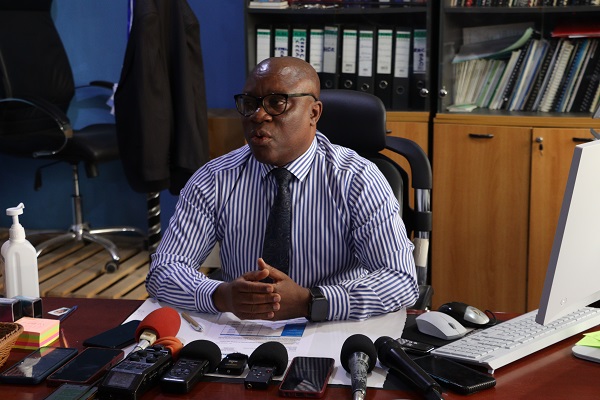
The beneficiaries of this new capital injection are already enrolled in the Merankabandi program, a pre-existing social safety net initiative. Through the Merankabandi program, these households regularly receive 72,000 Burundian francs every two months, providing a key baseline of financial support. Kwizera, a program representative, showed the necessity for adequate support for these beneficiaries, emphasizing the importance of ensuring that the newly provided funds are utilized specifically for developing income-generating activities. This emphasis is particularly pertinent given the broader context of reduced humanitarian assistance. He noted that the Musasa and Kinama camps collectively house more than 17,000 refugees, indicating the significant population relying on various forms of aid.
Currently, nearly 2,000 households across both Musasa and Kinama camps benefit from the regular Merankabandi monetary transfers, demonstrating the scale of ongoing financial assistance. Kwizera stated that with the reduction of certain forms of assistance, there is a legitimate concern that some families might be tempted to use a portion of the capital intended for investment to address immediate food needs, especially when rations or other aid are delayed. This potential diversion notes the delicate balance between immediate survival and long-term development. He therefore emphasized the importance of sufficient accompaniment for beneficiaries, ensuring that the funds genuinely serve to develop income-generating activities as intended. The overall program strategy aims to transition from providing immediate needs assistance to empowering refugees to develop their own sustainable livelihoods, fostering greater resilience and self-reliance within the refugee communities. This transition is seen as critical for the long-term well-being of the refugee population in Burundi.
Beneficiary Perspectives
Beneficiaries of the new capital injection expressed both appreciation for the support and concerns regarding its utilization amidst broader aid reductions. Mutumaini, a beneficiary residing in one of the camps, noted the immediate and tangible impact of existing financial aid on her family's well-being. "The 72,000 francs help us a lot when the situation becomes difficult, especially when the food ration has not yet arrived," Mutumaini stated, referring to the regular transfers from the Merankabandi program. Her statement shows the critical role that consistent financial aid plays in buffering families against periods of scarcity and uncertainty, particularly concerning food supply.
Kwizera, another beneficiary, showed the critical timing and importance of the new initiative given the current aid environment. He noted that the decrease in certain forms of assistance could prompt families to divert the capital intended for income generation towards immediate needs, a sentiment echoed by program representatives. "With the decrease in certain forms of assistance," Kwizera explained, "some families might be tempted to use a portion of the capital to respond to immediate food needs when rations or other aid are delayed." This observation reflects a pragmatic understanding of the daily challenges faced by refugee households. He further emphasized the importance of sustained guidance and follow-up for recipients to ensure the funds are effectively invested in productive ventures rather than being consumed for urgent necessities. "He therefore considers it necessary that beneficiaries be sufficiently accompanied so that the funds can truly be used to develop activities capable of generating income," Kwizera added, advocating for strong support mechanisms to safeguard the program's long-term objectives and ensure its success in fostering economic independence. This perspective from beneficiaries notes the dual challenge of managing immediate needs while building for the future.