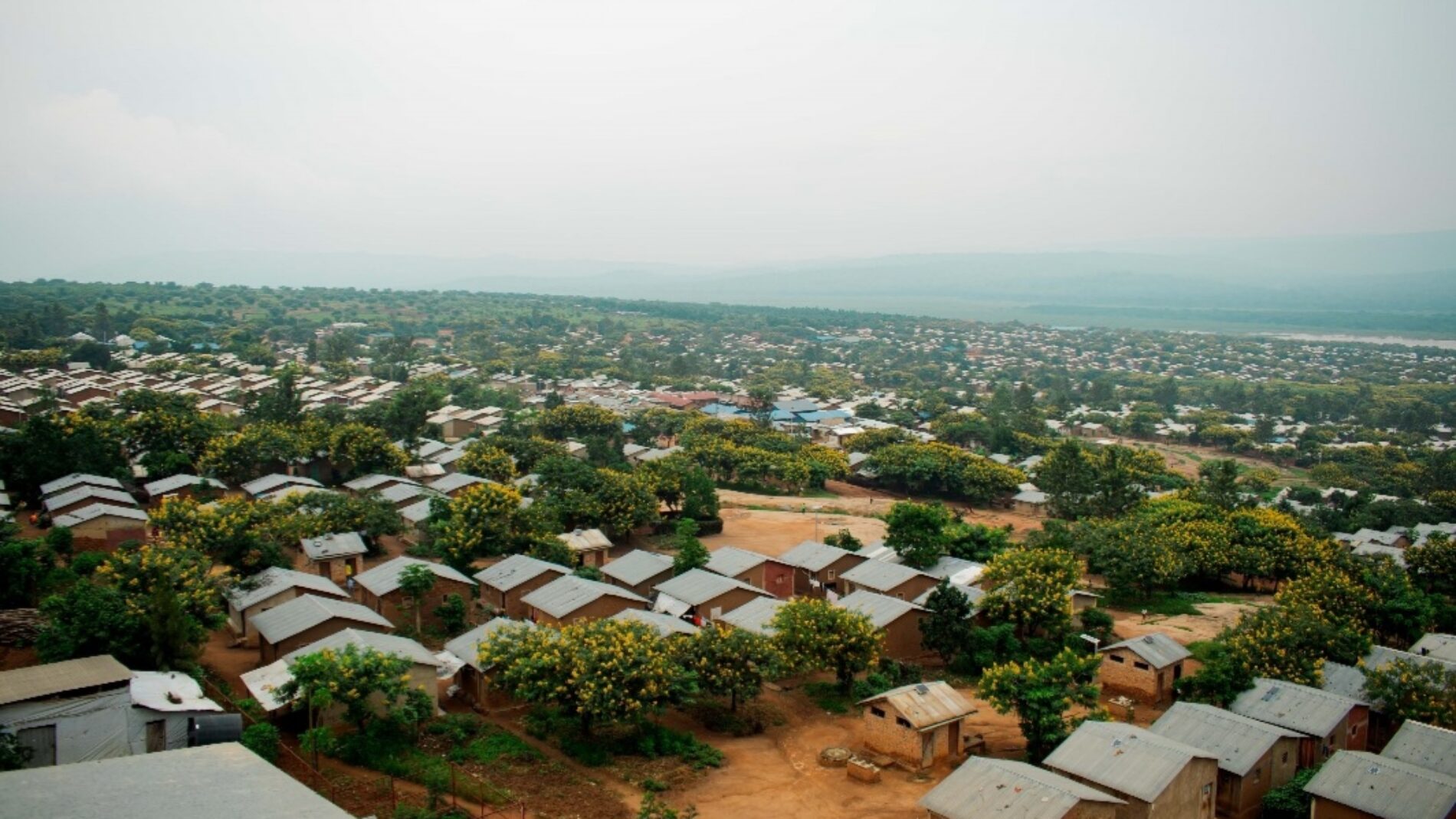
In Rwanda, a broad evaluation of living conditions and the assistance system in refugee camps, particularly Mahama, has been initiated by humanitarian agencies and authorities managing refugees. This full initiative aims to revise the targeting mechanisms for food and monetary aid, systems which are strongly contested by a portion of the beneficiaries in Mahama camp. The United Nations High Commissioner for Refugees (UNHCR), in collaboration with the World Food Programme (WFP) and the Ministry for Disaster Management and Refugee Affairs (MINEMA), launched this assessment of the humanitarian assistance system in the Mahama refugee camp in eastern Rwanda. The primary objective is to obtain a precise picture of the real living conditions of refugees within the Mahama camp, ensuring that aid distribution is equitable and effective. Officials from UNHCR, WFP, and MINEMA are calling on refugees to actively participate in this exercise, which they present as beneficial for the populations concerned, promising a more accurate reflection of their needs. This operation is expected to last over a month, allowing for a thorough and detailed data collection process.
Inside the Camp Evaluation: A Detailed Household Assessment
The ongoing evaluation at Mahama refugee camp is being conducted house by house, aiming for a detailed understanding of each household's situation. This careful approach is designed to capture the nuances of individual circumstances that might be missed in broader surveys. During this process, heads of households are invited to answer a series of questions. These inquiries cover various aspects of their lives, including their identity, current living conditions, food security, housing arrangements, availability of clothing, any potential monthly income, and their future projects. The full nature of these questions is intended to build a holistic profile of each household, which will then inform the revised aid distribution mechanisms.
For over a year, refugees residing in Mahama have been categorized into three distinct groups based on their perceived level of vulnerability. This categorization directly impacts the assistance they receive, leading to significant disparities in aid distribution. Those refugees who are deemed less vulnerable, according to the current system, receive approximately half of the standard aid amount provided to the most vulnerable individuals. This differentiated approach to aid distribution is a key aspect being scrutinized during the current assessment, as it has been a source of considerable contention among the refugee population. The evaluation seeks to understand the real-world impact of this categorization and whether it accurately reflects the needs of all beneficiaries.
Context and Future Plans: Towards Sustainable Integration
The evaluation at Mahama refugee camp also aims to prepare an economic empowerment and social reintegration program better suited to refugees, according to the United Nations High Commissioner for Refugees (UNHCR). This forward-looking approach acknowledges that humanitarian aid, while key, is a temporary measure and that long-term solutions are necessary for refugee populations. Concurrently, the Rwandan government, supported by its humanitarian partners, intends to gradually transform refugee camps into 'integrated villages' as part of the 'Integrated Settlements' program. This initiative seeks to foster more sustainable living arrangements for displaced populations, moving beyond the traditional camp model towards self-reliance and community integration. The transformation into 'integrated villages' is envisioned to provide refugees with greater opportunities for livelihoods and social cohesion within Rwandan society.
The data gathered during the ongoing assessment will inform a broader study. This study is being conducted by Enviro-Climate Nexus Knowledge Hub Solutions Ltd, in partnership with UNHCR and the Ministry for Disaster Management and Refugee Affairs (MINEMA). Its scope extends beyond Mahama, encompassing other refugee camps and urban refugees residing in Kigali and Huye. This wider study shows the commitment to understanding the diverse needs of all refugee populations across Rwanda, not just those in the Mahama camp. Rwanda currently hosts over 138,000 refugees, with the majority originating from the Democratic Republic of Congo and Burundi. This significant number notes the importance of full and well-targeted aid and integration programs. The findings from this extensive data collection are expected to provide a strong foundation for future policy decisions and program development for all refugees in Rwanda.
Refugee Voices and Concerns: Addressing Aid Disparities
The current initiative seeks to revise the targeting mechanisms for food and monetary aid, systems which are strongly contested by a portion of the beneficiaries in Mahama camp. This operation follows several disputes related to the social categorization system implemented over a year ago. That system led a portion of refugees to lose all monetary and food assistance, according to humanitarian agencies involved in the evaluation. Under the established aid distribution, the most vulnerable individuals receive approximately 6,800 Rwandan francs per month. In contrast, refugees classified in the third category, who are presumed to have a monthly income, receive no financial aid from the humanitarian organizations. This stark difference in assistance levels has been a primary cause of grievances and has prompted the need for a re-evaluation of the system. The ongoing evaluation is intended to address the concerns raised by the affected refugee population, ensuring that aid is distributed fairly and based on accurate assessments of vulnerability and economic capacity. The objective is to restore trust in the aid distribution system and ensure that the most vulnerable are adequately supported, while also exploring pathways for self-sufficiency for others.