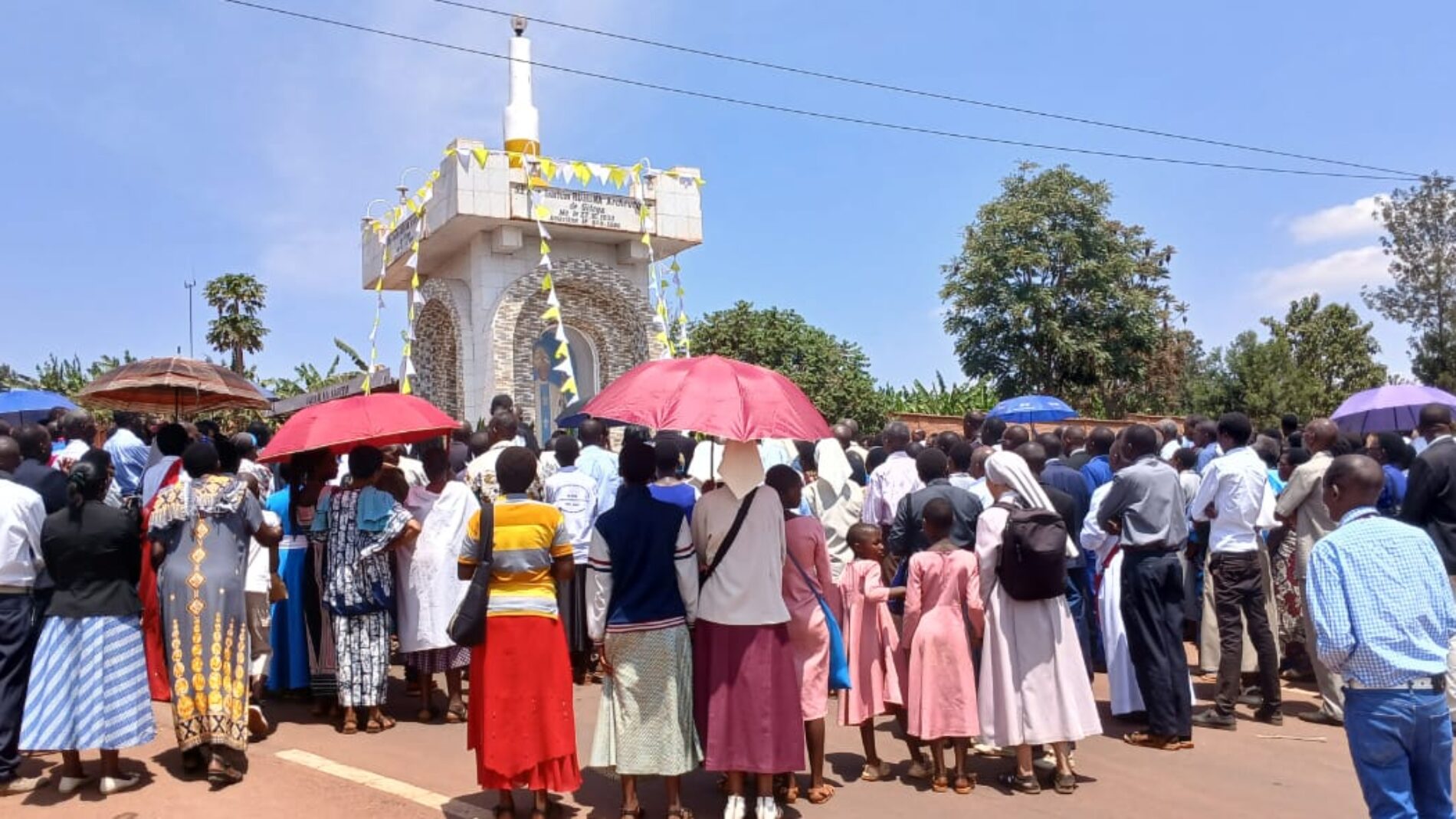
Archbishop Joachim Ruhuna was assassinated on September 9, 1996, in an ambush near the Mubarazi river. The prelate was killed while returning from the major seminary of Burasira. This tragic event occurred as he was making his way back from the major seminary of Burasira, a journey that abruptly ended in violence. His body was subsequently hidden in the Mwumbu valley and discovered a week after the assassination, deepening the mystery and anguish surrounding his death. To date, no judgment has been rendered in the case, which remains unsolved three decades later, leaving a persistent demand for accountability from his family and the wider community.
Context of Violence
Archbishop Joachim Ruhuna's assassination occurred amid the Burundian civil war, a brutal conflict that began in October 1993 following the murder of President Melchior Ndadaye. This period was characterized by widespread ethnic violence and political instability across the nation. Weeks before his death, Mgr Ruhuna publicly condemned the massacre of 648 Tutsis at the Bugendana displacement camp. That devastating massacre took place on July 23, 1996, less than two months before the Archbishop's killing, noting the extreme brutality prevalent at the time. The areas of Bugendana and Mutaho, situated in the current province of Gitega, were under the control of FDD rebels during this tumultuous period. The period was marked by widespread violence and displacement across the country, with numerous atrocities committed by various armed groups. The Archbishop's outspoken condemnation of such acts placed him in a precarious position during a time of intense conflict and lawlessness.
Accusations and Unanswered Questions
The Forces de défense de la démocratie (FDD) were accused of the massacre at the Bugendana displacement camp and the subsequent assassination of Archbishop Joachim Ruhuna. These accusations pointed directly to the FDD as responsible for the heinous acts. The ambush that killed Archbishop Ruhuna also resulted in the deaths of two other individuals, including a Catholic nun, further showing the indiscriminate nature of the violence. Monsignor Bernard Bududira, who served as president of the Conference of Catholic Bishops of Burundi at the time, publicly accused the FDD of responsibility for Archbishop Ruhuna's death. His statement, coming from such a prominent religious leader, added significant weight to the allegations against the rebel group. The accusations against the FDD emerged during a period of intense conflict, as the group controlled significant areas in Gitega province, including Bugendana and Mutaho, where the massacre occurred. The FDD's control over these territories made them the primary suspects for the atrocities committed there. The lack of a definitive resolution in the assassination case has left questions regarding accountability for the deaths of Archbishop Ruhuna and the two other victims. The failure of the justice system to identify and prosecute those responsible has perpetuated a sense of injustice. The family of Archbishop Ruhuna continues to seek answers regarding the circumstances of his killing and the identities of those responsible, their pleas echoing for decades.
Lingering Demand for Justice
Thirty years after the assassination of Archbishop Joachim Ruhuna, his family continues to demand justice for his killing. His family is still demanding that the perpetrators of his murder be identified and brought to justice, emphasizing the enduring pain and the unfulfilled promise of legal redress. The family has consistently called for the identification of the perpetrators responsible for the prelate's murder and for them to be brought before the courts. Their persistent demand notes the unresolved nature of the case, which has seen no judicial judgment rendered since the Archbishop was killed on September 9, 1996. This lack of legal closure has been a source of ongoing anguish for the family and for many who remember the Archbishop. The family's ongoing quest for accountability shows the lack of closure surrounding the ambush near the Mubarazi river that claimed Archbishop Ruhuna's life. They maintain their call for a thorough investigation to ensure those responsible face legal consequences, believing that only through justice can true healing begin. The continued absence of a verdict or conviction in this high-profile case remains a stark reminder of the challenges to justice in post-conflict Burundi.