Combats have been reported since Sunday in several zones of Fizi, Uvira, and Mwenga territories in Sud-Kivu province, eastern Democratic Republic of Congo (RDC). These intense engagements signify a renewed escalation of hostilities in a region long plagued by insecurity. The clashes involve the Forces armées de la RDC (FARDC), supported by the Burundian National Defence Force (FDNB) and Kinshasa-backed Wazalendo militias, opposing AFC/M23 and Twirwaneho fighters. The presence of these diverse armed groups and state forces shows the complex and multi-faceted nature of the conflict. In Uvira territory, confrontations took place in Malimba, Rubarati, and Ruhuha, noting the widespread nature of the current fighting across key strategic areas. The Minembwe region is a military focal point, with FARDC, FDNB, and Wazalendo forces aiming to secure positions to prevent AFC/M23's advance towards Tanganyika province. This strategic objective is key for controlling supply routes and limiting the territorial expansion of the AFC/M23. Operations also target Bijombo to halt AFC/M23 and Twirwaneho's progression towards Uvira and to control the axis connecting Rurambo, Bijombo, and Minembwe, a vital corridor for movement and logistics. The ongoing combat is feared to cause a new wave of population displacement, adding to the already dire humanitarian situation in the eastern RDC. The intensity and geographical spread of these recent clashes raise significant concerns about their potential impact on civilian populations and regional stability.
Conflicting Claims on Battlefield
Sources reported the use of drones and heavy weapons by forces aligned with the Forces armées de la RDC (FARDC), indicating a significant military investment and the deployment of advanced capabilities in the ongoing offensive. The presence of such weaponry suggests a concerted effort to dislodge opposing groups from their strongholds. A fighter from the Kinshasa-backed Wazalendo militias stated that FARDC, the Burundian National Defence Force (FDNB), and Wazalendo had successfully recaptured positions in Malimba, Ruhuha, and Rubarati. These positions were previously held by the AFC/M23, Twirwaneho, and Red Tabara groups, according to the Wazalendo fighter, suggesting a tactical victory for the Kinshasa-aligned forces in these specific locations. This claim, if independently verified, would mark a notable shift in control over these contested areas.
Conversely, Twirwaneho's spokesperson, Fidèle Rugabo, presented a different account of the recent engagements. Rugabo claimed that their fighters successfully repelled attacks by FARDC, FDNB, Wazalendo, and the Forces Démocratiques de Libération du Rwanda (FDLR). These alleged attacks occurred in Kabanju, Kipupu, Nyamabuguma, and Point Zéro, areas located within Fizi and Mwenga territories, indicating a broader front of conflict. According to Twirwaneho, the Kinshasa-aligned forces subsequently retreated towards Mulima, Lulenge, Kiseke, and Kitumba following these engagements, suggesting a setback for the government and its allies in those specific locations. The inclusion of the FDLR in Twirwaneho's claim is particularly noteworthy, given the historical context of the group.
The United Nations has previously documented collaboration between the FDLR, FARDC, Wazalendo, and FDNB, adding a layer of complexity to the ongoing conflict in Sud-Kivu, particularly as Twirwaneho's claims specifically mention the FDLR among the attacking forces. This documented collaboration raises questions about the alliances at play and the broader implications for regional security. The differing accounts from the various parties highlight the contested nature of the battlefield and the difficulty in independently verifying claims amidst active combat operations across the region. The reported intensity of fighting, including the deployment of heavy weapons and drones, shows the significant military efforts being exerted by the involved factions and the high stakes involved for all parties.
Burundian Military Presence and Objectives
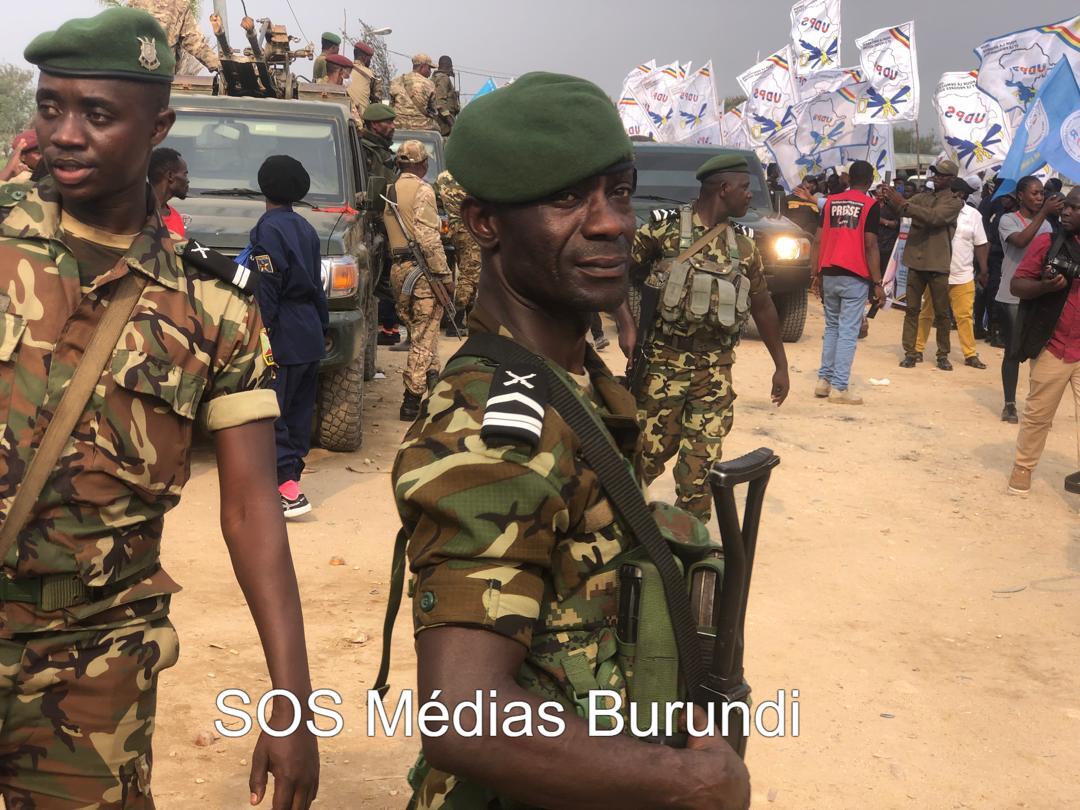
A report from the Congolese Ministry of Interior and Security indicated that over 29,000 Burundian soldiers were deployed in the Democratic Republic of Congo (RDC) between August 2022 and December 2025. This extensive deployment notes the significant scale of Burundi's military involvement in the region, reflecting a deep commitment to the ongoing operations. According to the same report, approximately 10,000 Burundian soldiers remained in eastern Congo at the close of 2025, suggesting a sustained presence despite some potential rotations or withdrawals. The continued presence of these troops shows the ongoing military operations and the persistent security challenges in Sud-Kivu, where they play a key role alongside FARDC and Wazalendo forces.
The military presence has drawn international attention, particularly from neighboring countries. Rwanda, for instance, accuses the RDC and Burundi of collaborating with the Forces Démocratiques de Libération du Rwanda (FDLR), a group with a controversial history in the region. Both Kinshasa and Gitega, the capital of Burundi, however, deny these allegations, maintaining that their operations are solely aimed at restoring peace and stability. This denial points to the complex diplomatic landscape surrounding the conflict and the differing narratives among regional actors regarding the involvement of various armed groups. The continued deployment of Burundian forces is a significant factor in the evolving dynamics of the conflict in Sud-Kivu, impacting regional power balances and the trajectory of the ongoing hostilities. Their involvement is a key element in the broader strategy to counter armed groups in eastern RDC, but it also fuels regional tensions and accusations.
AFC/M23 Demands and Accusations
The AFC/M23, led by Corneille Nangaa, asserts its struggle is against discrimination and violence targeting Congolese Tutsi populations within the Democratic Republic of Congo, framing their insurgency as a fight for the rights and protection of a specific ethnic group. The group has outlined specific demands, calling for direct dialogue with the Kinshasa government as a prerequisite for any resolution. These demands include full political and security reforms, which they argue are essential to address the systemic issues contributing to the conflict. The AFC/M23 insists on the resolution of what it terms the 'root causes' of the conflict, implying deeper structural problems that need to be addressed beyond military solutions. A significant political demand from the group is the establishment of a federal state in the Democratic Republic of Congo, suggesting a fundamental restructuring of governance.
The AFC/M23 currently controls territories in both Nord-Kivu and Sud-Kivu provinces, reportedly including key urban centers such as Goma and Bukavu, which are vital economic and strategic hubs. This territorial control demonstrates their significant military capability and influence in the eastern part of the country. The Kinshasa government, for its part, has repeatedly accused Rwanda of providing support to the M23 group, alleging external interference in the internal affairs of the RDC. These accusations have been consistently denied by Kigali, which maintains its non-involvement. However, United Nations expert reports have indicated alleged Rwandan support for the M23, adding a layer of complexity to the regional dynamics and international scrutiny surrounding the conflict. These reports lend credence to Kinshasa's claims, further complicating efforts towards a peaceful resolution and intensifying diplomatic tensions between the two countries.
Broader Regional Instability
The ongoing violence in Sud-Kivu contributes to a broader humanitarian crisis in the eastern Democratic Republic of Congo, a region already grappling with decades of conflict and instability. Millions of people have already been displaced by conflicts across the region, with many living in precarious conditions in internally displaced persons (IDP) camps. The continuous clashes involving multiple armed groups and regional forces exacerbate the instability, leading to fears of further displacement and deepening the humanitarian catastrophe. This protracted insecurity hinders humanitarian efforts, making it difficult for aid organizations to reach affected populations and provide essential services. It also perpetuates a cycle of conflict affecting civilian populations, who bear the brunt of the violence, displacement, and economic disruption. The presence of various state and non-state actors, combined with their conflicting claims and objectives, complicates prospects for lasting peace and stability in the troubled eastern provinces. The regional dynamics, including accusations of external support for armed groups, further entrench the conflict, with significant human cost and a profound impact on the social and economic fabric of the communities. The intertwined nature of these conflicts, involving both local grievances and regional geopolitical interests, makes finding a full solution exceptionally challenging.