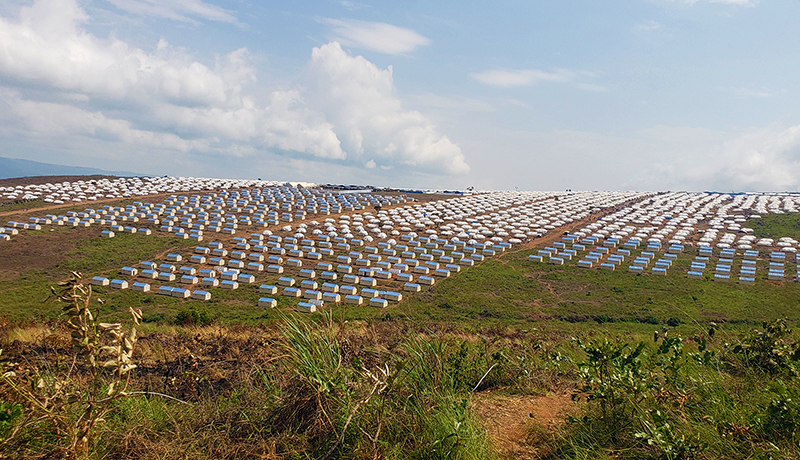
The World Food Programme (WFP) has warned that essential food distributions for approximately 130,000 Congolese refugees in Burundi will cease entirely from October 2026 unless new resources are secured. The potential cutbacks affect refugees, including those residing at the camp in Busuma, Ruyigi province. Without additional funding, the Programme Mondial alimentaire (PAM) faces the prospect of halting vital assistance within two years, impacting thousands of individuals who rely on the aid for their sustenance. This looming cessation of aid shows a critical humanitarian challenge.
Funding Crisis Threatens Aid
The World Food Programme (WFP) requires an urgent injection of 35 million US dollars to sustain food and nutritional assistance for Congolese refugees in Burundi through August 2027. This substantial financial requirement notes the scale of the ongoing humanitarian effort. The organization has already been compelled to scale back food rations for these refugees due to insufficient funding, a measure that has had tangible negative consequences. These reductions have led to a noticeable decline in the health and nutritional status of the affected population, with malnutrition rates showing concerning trends among vulnerable groups, particularly children and pregnant women. Without new resources, the WFP will be unable to maintain its support beyond the projected October 2026 cutoff, further exacerbating the humanitarian situation for the 130,000 individuals relying on the aid. The current funding gap presents a severe threat to the well-being of the refugee community.
Refugee Influx and Past Challenges
Most of these refugees are fleeing ongoing conflict in the Democratic Republic of Congo (RDC). The instability and violence in their home country have forced them to seek safety and refuge across the border. A significant influx occurred when violence resumed in eastern RDC in late 2025, triggering a new wave of displacement. This period saw over 100,000 people flee to Burundi, substantially increasing the number of refugees requiring support from the World Food Programme (WFP). The arrival of these refugees more than doubled the population reliant on WFP assistance in the country, placing immense pressure on existing resources and aid operations. The camp for Congolese refugees is located in Busuma, Ruyigi, which has seen a significant increase in its population due to these displacement events.
Urgent Appeal for Donors
The World Food Programme (WFP) issued a press release on Friday, July 24, 2026, detailing the critical funding shortfall and its implications for Congolese refugees in Burundi. The organization emphasized that continued support beyond October 2026 is jeopardized without immediate donor contributions. The WFP requires 35 million US dollars to sustain its operations until August 2027, covering essential food and nutritional assistance. This appeal follows previous ration reductions that have already impacted the health and nutritional status of the affected population, leading to increased vulnerability. The WFP's statement noted the urgent need for international partners to step forward to prevent a complete cessation of aid for the 130,000 refugees, stressing the potential for a humanitarian catastrophe if the funding gap is not addressed promptly. The organization is actively engaging with donor countries and humanitarian organizations to bridge this critical financial deficit.
Grave Consequences of Interruption
The World Food Programme (WFP) currently provides food aid to over 130,000 refugees in Burundi, serving as a critical lifeline for their survival. A halt to this assistance would leave these individuals without vital support, potentially leading to widespread hunger and exacerbating already precarious living conditions for the Congolese refugee population. The cessation of food distributions could trigger a severe humanitarian crisis, increasing rates of malnutrition, disease, and mortality, particularly among the most vulnerable segments of the refugee community, such as children, the elderly, and those with pre-existing health conditions. The long-term implications of such an interruption could undermine years of humanitarian efforts and lead to increased instability in the region.