In the Cibitoke commune, conflicts regarding succession rights continue to affect widows, often pitting them against their in-laws. These disputes represent a persistent and worrying reality in the region. Indeed, in the Cibitoke commune, conflicts related to succession pitting widows against their in-laws remain a deeply troubling and persistent reality. Such battles frequently involve violations of women's rights, leading to significant social consequences, particularly for the children involved. These disputes are often accompanied by violations of women's rights and heavy social consequences, especially for children, showing the urgent need for intervention and resolution.
A Widow's Struggle for Inheritance
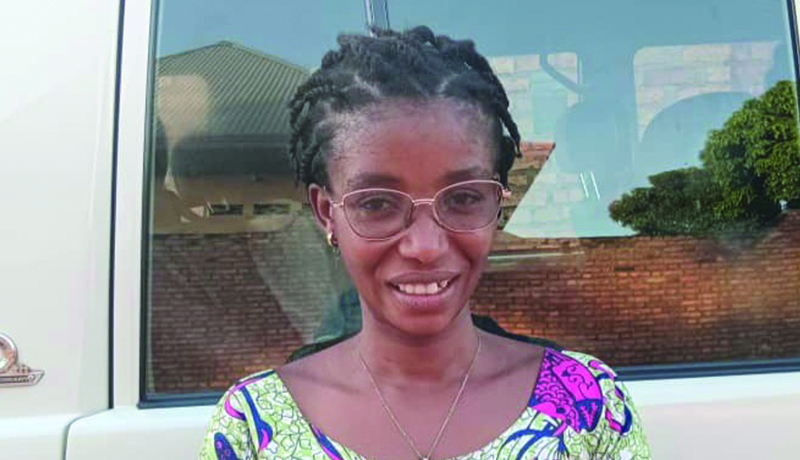
Evelyne Nkurunziza, a 28-year-old widow and mother of two, exemplifies the challenges women face in inheritance disputes in Cibitoke's Social B neighborhood. Evelyne Nkurunziza, 28 years old, a widow and mother of two children, is a poignant example of a woman facing inheritance disputes in the Social B neighborhood, Cibitoke zone, noting the severity of the problem. Nkurunziza stated her husband's elder brother pressured her, allegedly attempting to force her into marriage to maintain control over family assets. This pressure from her husband's elder brother, who allegedly tried to force her into marriage, was a direct attempt to retain control of family assets, further complicating her already difficult situation. She reported that her in-laws confiscated all of her late husband's possessions, including both the cultivable land he inherited and properties he purchased independently. Evelyne Nkurunziza claims her late husband's family confiscated all his property, including inherited and purchased cultivable lands, leaving her and her children in a precarious position. Nkurunziza stated, "Ma belle-famille a confisqué tous les biens de mon mari, y compris les terres cultivables qu’il avait héritées et celles qu’il avait achetées avec ses propres moyens." She added that her husband's brothers accused her of possessing a significant sum of money that her husband had reportedly sent to her before his death. Evelyne Nkurunziza states her husband's brothers accused her of receiving 80 million Burundian francs from the Force de défense nationale du Burundi (FDNB), an accusation she denies.
Nkurunziza indicated that some assets have yet to be returned to her, but she remains hopeful for their recovery. She had to pay money to recover a portion of the lands, demonstrating the additional burdens placed upon widows to reclaim their rightful property. "Pour le moment, certains biens ne m’ont pas encore été restitués. Mais, j’ai l’espoir qu’avec l’appui des autorités, je pourrai les récupérer," she said. She emphasized the importance of engaging with authorities in such situations. Nkurunziza advised, "Il est important d’avoir le courage de s’adresser aux autorités. Cela peut prévenir de nombreuses conséquences et faciliter la gestion du patrimoine familial." Her experience notes the ongoing struggles for widows in the region to secure their rightful inheritance and the often-necessary, yet challenging, path of seeking official intervention.
Widespread Rights Violations
Octavie Ntakarutimana, legal representative of the Association des veuves responsables (AVR), observes that more than half of the organization's members face conflicts with their in-laws, noting a systemic issue. Ntakarutimana stated, "The problem is that some women do not dare to report these situations, perhaps because they see that we do not have lawyers to defend them." She further emphasized, "These are harmful practices that must be eradicated. Women also have the right to manage and enjoy the property left by their husbands." The reluctance of women to report these abuses often stems from fear of further reprisal or a lack of legal support, perpetuating a cycle of injustice.
Célestin Ndihokubwayo, president of the Residence tribunal of Rugombo zone, recalls a provision of the Code of Persons and Family that recognizes a woman's right to enjoy family property in her husband's absence. Ndihokubwayo affirmed that "after the death of the husband, the wife has the right to manage and preserve the family's property." He noted that while reported cases might be few, it is often because "some women do not dare to speak out. They can be harassed by the in-laws without claiming their rights, even though they are legally recognized." Ndihokubwayo also pointed out that "it happens that a man remarries with a second wife and prevents the first from enjoying cultivable lands, even though these assets were acquired jointly." He added, "Local administration has the responsibility to look after its community. In case of conflict, the head of the hill or neighborhood is the first informed. They should therefore intervene upstream." The legal framework exists to protect these rights, yet societal pressures and lack of awareness often prevent their effective enforcement.
Legal Framework and Social Impact
Evelyne Nkurunziza stated her in-laws accused her of receiving 80 million Burundian francs from the Force de défense nationale du Burundi (FDNB). She further detailed her struggle, saying, "My in-laws confiscated all of my husband's property, including the cultivable land he had inherited and those he had purchased with his own means. My husband's brothers accused me of holding a large sum of money that my husband had reportedly sent to me before his death." Ms. Nkurunziza also reported she had to pay money to recover a portion of the lands, a testament to the financial strain and injustice widows often endure. She remains hopeful for the return of her remaining assets, stating, "For now, some assets have not yet been returned to me. But I hope that with the support of the authorities, I will be able to recover them." She advised others in similar situations, "It is important to have the courage to address the authorities. This can prevent many consequences and facilitate the management of family assets." Her plea shows the importance of official intervention in safeguarding the rights of vulnerable women.
Célestin Ndihokubwayo, president of the Residence tribunal of Rugombo zone, confirmed his tribunal has registered at least two cases of succession conflicts, indicating that these issues are indeed reaching formal legal channels, albeit perhaps not at the scale of their occurrence. Mr. Ndihokubwayo stated, "After the death of the husband, the wife has the right to manage and preserve the family’s property." He noted that while reported cases might be few, "one can say that the cases are few, but this is also explained by the fact that some women do not dare to speak out. They can be harassed by the in-laws without claiming their rights, even though they are legally recognized." Polygamy is sanctioned by law in Burundi, with Article 530 of the Penal Code stipulating a fine of 20,000 to 100,000 BIF and imprisonment from six months to two years for contracting another marriage while legally married, unless the spouse is deceased or divorced. Mr. Ndihokubwayo explained, "According to Article 530 of the Penal Code, a legally married man or woman cannot contract another marriage unless their first spouse is deceased or in case of divorce. Otherwise, he or she is liable to a fine ranging from 20,000 to 100,000 BIF and a prison sentence of six months to two years." This legal provision aims to protect marital fidelity and the rights of the first spouse, yet its enforcement in property disputes remains a challenge for many widows. He also noted, "It happens that a man remarries with a second wife and prevents the first from enjoying cultivable lands, even though these assets were acquired jointly," further complicating inheritance and property rights for women.
Administrative and Community Response
The local administration in Cibitoke is increasing its awareness-raising efforts to address these issues. The local administration is multiplying awareness-raising actions to try and curb these issues, recognizing the systemic nature of the problem. Octavie Ntakarutimana, legal representative of the Association des veuves responsables (AVR), notes that some widows are expelled from their homes after their husbands' deaths, citing cases in Bujumbura, illustrating the extreme vulnerability many women face. These expulsions leave women and their children homeless and destitute, exacerbating their suffering. Sélemani Sibomana, head of Rugombo zone, states these conflicts exacerbate social problems, contributing to an increase in street children and delinquency. Sélemani Sibomana, head of Rugombo zone, states that the multiplication of these conflicts leads to an increase in other social problems, including street children and delinquency, creating a ripple effect across the community. Sibomana explained, "When a woman is rejected by her in-laws, she becomes unable to properly provide for her family. This directly affects the children." To counter this, awareness-raising sessions are regularly organized in Rugombo zone to advise the population on the legal rights of widows and the importance of respecting these rights, aiming to foster a more just and supportive community environment.