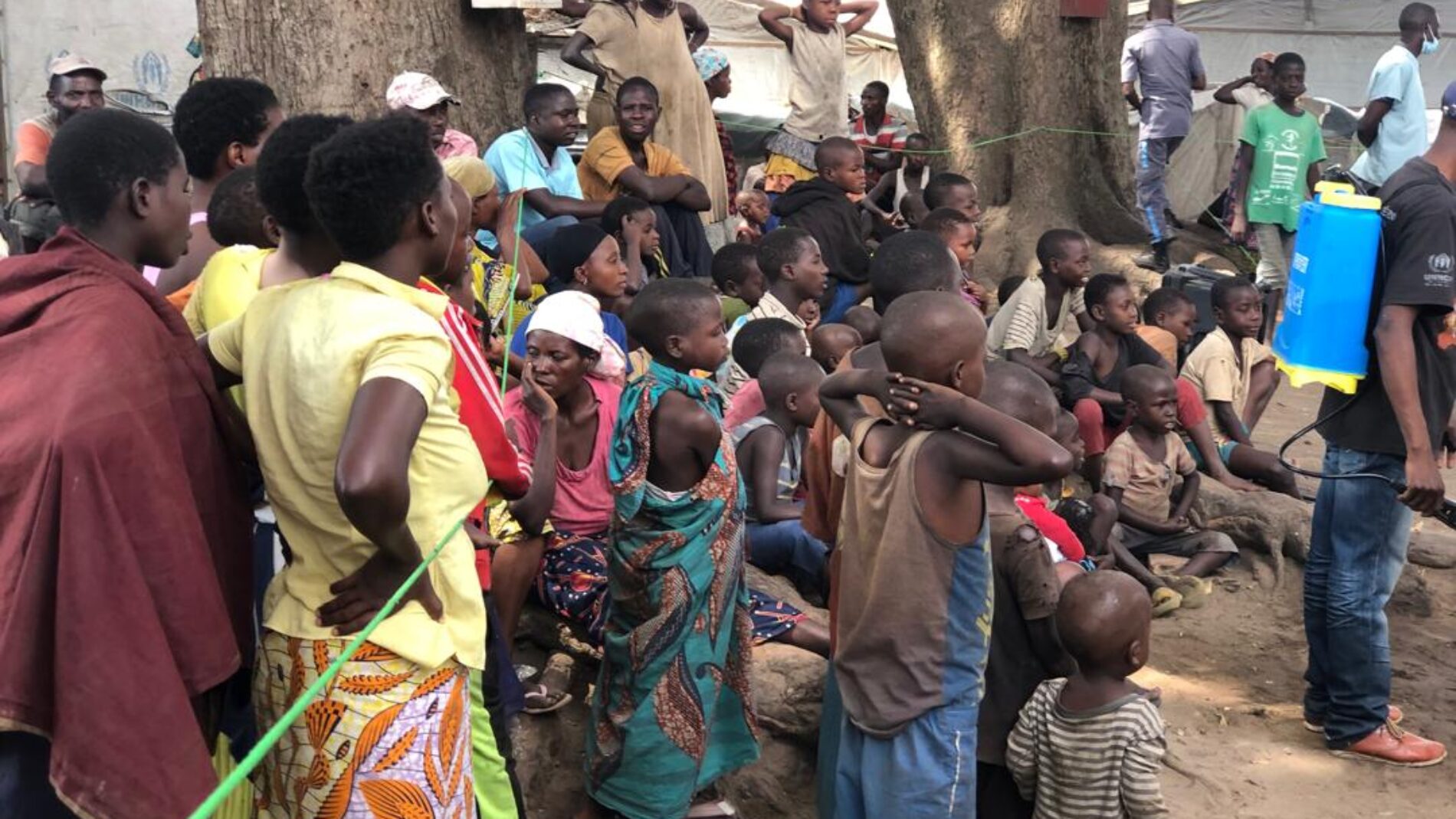
One hundred seventy-one Burundian refugees residing in Lusenda camp, Fizi territory, South Kivu, eastern Democratic Republic of Congo (RDC), were repatriated to Burundi on Wednesday, July 22, 2026. This repatriation was part of a voluntary return operation, meticulously organized by the United Nations High Commissioner for Refugees (UNHCR). The group departed Lusenda camp, traversed the Kavimvira border located in Uvira territory, and proceeded towards the Gihanga transit center in Burundi's Bujumbura province. This operation shows ongoing efforts to facilitate the safe and dignified return of refugees to their home country.
Harsh Conditions Drive Returns
Refugees indicated that living conditions within Lusenda camp have deteriorated considerably over recent months. Persistent insecurity in Fizi territory and a reduction in humanitarian aid were cited as primary reasons for this degradation. These factors have significantly impacted the daily lives and well-being of the camp's inhabitants. Parents also noted difficulties regarding their children's education, specifically frequent class disruptions stemming from teacher strikes over unpaid salaries, as a significant factor influencing their decision to return to Burundi. The lack of consistent schooling added another layer of hardship for families already struggling with basic necessities.
Some refugees reported not having received food assistance for more than a year, a critical issue that directly contributed to their decision to leave the camp. This prolonged lack of essential provisions made continued stay in the camp unsustainable for many. Difficulties related to humanitarian funding and ongoing insecurity in eastern Democratic Republic of Congo have also prompted some refugees to choose voluntary return to Burundi, seeking more stable conditions. The combination of reduced aid, insecurity, and educational challenges created an environment where returning home, despite lingering concerns, became a more viable option for these individuals.
Lusenda Camp's History
Lusenda camp has hosted thousands of Burundian refugees for several years, with many having fled political and security crises in their home country. The camp is located in Fizi territory, South Kivu province, within the Democratic Republic of Congo (DRC). It has served as a sanctuary for those displaced by recurring instability across the border, providing shelter and basic services. Over time, the camp's population has fluctuated as refugees made decisions regarding their future, often influenced by conditions both within the camp and in Burundi. The continued presence of Burundian refugees shows the long-standing challenges in the region, noting the complex dynamics of displacement and return. The camp's history reflects the persistent need for humanitarian assistance and protection in areas affected by regional conflicts.
Refugee Voices and UNHCR Role
The repatriation operation was organized by the United Nations High Commissioner for Refugees (UNHCR) as a voluntary return initiative, emphasizing the agency's commitment to ensuring returns are safe and dignified. Some refugees stated they had not received food assistance for more than a year, contributing to their decision to leave the camp. This critical shortage of aid, coupled with other challenges, pushed many towards the difficult choice of returning to a country they had once fled. Difficulties related to humanitarian funding and ongoing insecurity in eastern Democratic Republic of Congo have also prompted some refugees to choose voluntary return to Burundi, seeking an end to their prolonged displacement. The majority of the repatriated individuals are originally from Cibitoke province, which is a border region situated in northwestern Burundi. This latest group represents a continued trend of Burundian refugees returning home under challenging circumstances, often driven by the deteriorating conditions in their host country rather than a complete resolution of issues in their homeland. The UNHCR's role in facilitating these returns is key in managing the complex logistics and ensuring the welfare of the returning population.