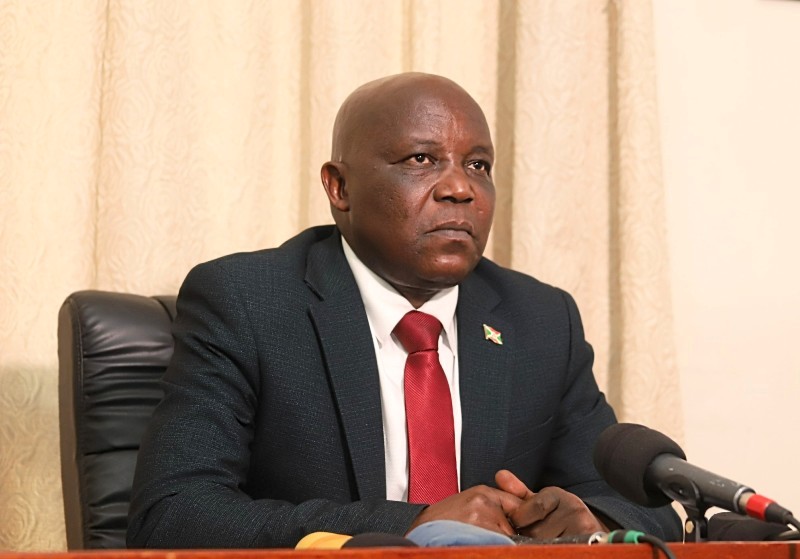
The Minister of the Interior, Community Development and Public Security, Léonidas Ndaruzaniye, announced on Wednesday, July 22, 2026, that Thursdays will now be dedicated to monitoring compliance with hygiene and sanitation measures across the national territory. This significant decision establishes a regular and focused schedule for national hygiene and sanitation control. Minister Ndaruzaniye conveyed this directive during a full press briefing, showing the government's commitment to public health. The initiative specifically aims to ensure consistent adherence to public health standards and environmental cleanliness throughout Burundi, making the monitoring a national priority on a weekly basis. This systematic approach is expected to enhance public awareness and enforcement mechanisms.
Details of New Initiative
The dedicated Thursday will involve a multi-faceted approach, encompassing inspections, awareness campaigns, and the application of sanctions against offenders, as provided by current texts. These measures are designed to ensure full oversight and accountability. The Ministry of the Interior, Community Development and Public Security has issued a strong call to all administrative authorities at every level, urging them to immediately strengthen the monitoring of the application of the Ordinance relating to hygiene and sanitation. This directive is broad, encompassing authorities in communes, zones, collines, and quartiers, ensuring that no administrative division is overlooked. It explicitly extends to those responsible for national and provincial routes, and other key road axes, recognizing the importance of maintaining cleanliness along vital transportation networks. The ministry emphasized that strict and consistent adherence to the ordinance is key for maintaining and improving public health standards across the entire nation, noting the collective responsibility required for its success.
Rationale and Current Challenges
A critical assessment has revealed that the application of the Ordinance relating to hygiene and sanitation remains insufficient at various levels, including communes, zones, hill/neighborhoods, and state services. This inadequacy is particularly noticeable along major roads, which often serve as visible indicators of public hygiene. This assessment indicates that existing regulations are not consistently enforced across various administrative divisions and key transportation routes, leading to a disparity in cleanliness standards. An evaluation conducted by the Council of Ministers on July 17, 2026, acknowledged progress attributable to the diligent efforts by relevant ministers and provincial governors. Despite these commendable efforts, the overall implementation of hygiene and sanitation measures still requires substantial improvement to meet national objectives. Burundians are therefore strongly urged to consider hygiene and sanitation not merely as a regulatory requirement, but as a fundamental civic duty and a collective responsibility. This emphasis notes the perceived necessity for broad public participation in protecting health, preserving the environment, and fostering sustainable development for the benefit of all citizens.
Ministry's Role and Expectations
The Ministry in charge of Public Security will closely follow the implementation of these enhanced hygiene and sanitation guidelines. It plans to regularly evaluate the results achieved from the initiative, ensuring that the new measures are effective and consistently applied. This rigorous oversight aims to ensure consistent application of the new directives across the national territory, fostering a culture of cleanliness.
Public and private services are additionally called upon to set a leading example in maintaining a clean and healthy environment within their respective purviews. This directive specifically applies to areas around administrative buildings and along national and provincial roads, where high visibility demands exemplary standards. The expectation is that these entities will demonstrate proactive adherence to the established standards, reinforcing the broader national effort and encouraging wider public participation. The ministry anticipates that this collaborative approach, combining stringent monitoring with public and private sector leadership, will significantly elevate Burundi's national hygiene and sanitation standards.