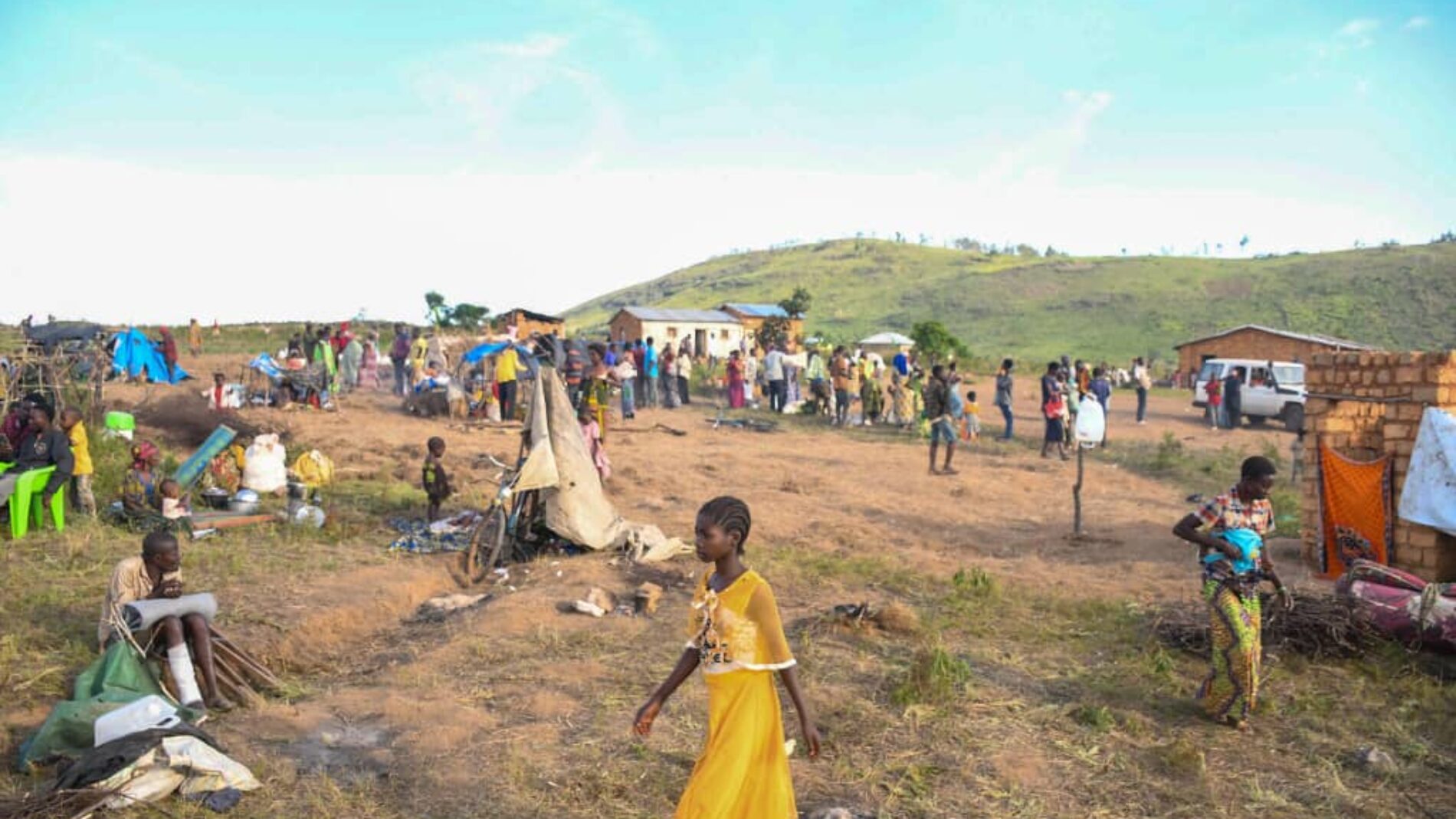
Ruyigi, Burundi – July 21, 2026 – Refugees residing in Bwagiriza are experiencing severe financial strain due to a significant increase in transportation costs, with a single journey now reportedly costing 15,000 francs. Specifically, Congolese refugees in Bwagiriza camp and the surrounding host communities are finding it increasingly difficult to navigate due to these prohibitive expenses. The rising fares, detailed in an article titled "15 000 francs pour un seul trajet : les réfugiés de Bwagiriza étranglés par la hausse du transport," are impacting their ability to travel and access essential services. The situation is particularly challenging for those needing to move between Bwagiriza and the urban center of Ruyigi, a necessity for a multitude of daily requirements. The article, which notes these escalating transport costs, is dated July 22, 2026, and provides a stark overview of the challenges faced by these vulnerable communities.
Fare Increase Explained
The surge in motorcycle taxi fares is attributed to a persistent fuel shortage and new restrictions placed on drivers. These combined factors have created an environment where the cost of essential travel has become prohibitive for many. Previously, a single motorcycle taxi could transport two passengers for a fare ranging from 10,000 to 15,000 Burundian francs for the entire journey. This arrangement allowed for a more economical division of costs between passengers. However, current security measures now limit transport to only one person per motorcycle. This change necessitates that each passenger individually pays approximately 15,000 Burundian francs for a single trip, effectively doubling the per-person cost in many instances. The combined effect of fuel scarcity, which drives up operational costs for drivers, and the new passenger limits has significantly driven up the cost of travel for residents, placing an immense burden on their already stretched financial resources.
Impact on Daily Life
Congolese refugees residing in Bwagiriza camp and in the surrounding host communities are finding it increasingly difficult to reach the center of Ruyigi. This difficulty stems directly from the prohibitive transportation costs, which impede their access to vital services and opportunities. The Bwagiriza camp, located within Ruyigi commune in Buhumuza province, hosts these Congolese refugees, who depend heavily on the Ruyigi urban center for a range of essential services. The town of Ruyigi serves as an essential transit point for Congolese refugees from Bwagiriza camp and the nearby host communities, showing its importance to their daily lives and access to resources. The elevated fares thus represent a significant barrier to their mobility and overall well-being.
Voices from the Ground
The article, dated July 22, 2026, details the escalating transport costs and their profound impact. Inhabitants of Bwagiriza, along with those residing in Nyankanda camp and the Busuma site, frequently travel to Ruyigi to fulfill their daily requirements. This regular movement notes the central role Ruyigi plays in the lives of these displaced populations and their host communities. Refugees and members of the host communities rely on Ruyigi for various essential services and activities. These include accessing markets to purchase necessities and sell goods, seeking specialized healthcare services that may not be available in their immediate vicinity, utilizing inter-provincial bus travel connections for longer journeys, completing administrative procedures required for their status or daily life, conducting financial transactions at banks or mobile money agents, and engaging in commercial activities to sustain their livelihoods. The central role of Ruyigi for these communities shows the significant impact of rising transportation expenses on their ability to manage daily life, access critical support, and participate in economic activities. The increased fares threaten to isolate these populations, restricting their access to the very services designed to support them and hindering their integration into the local economy.