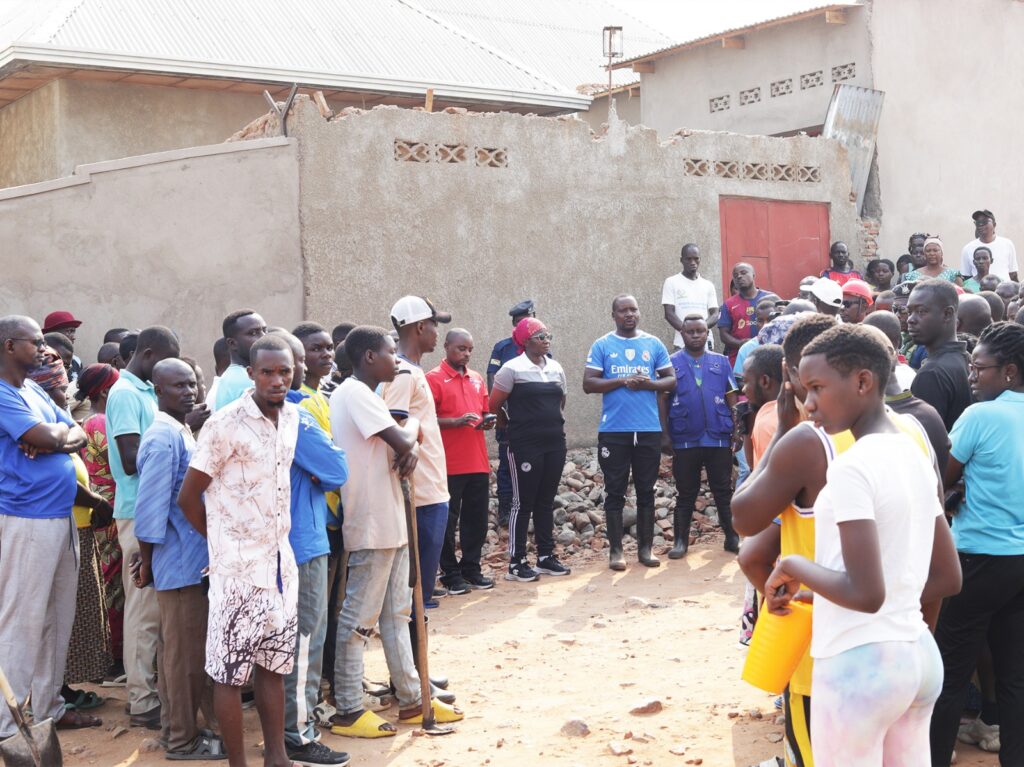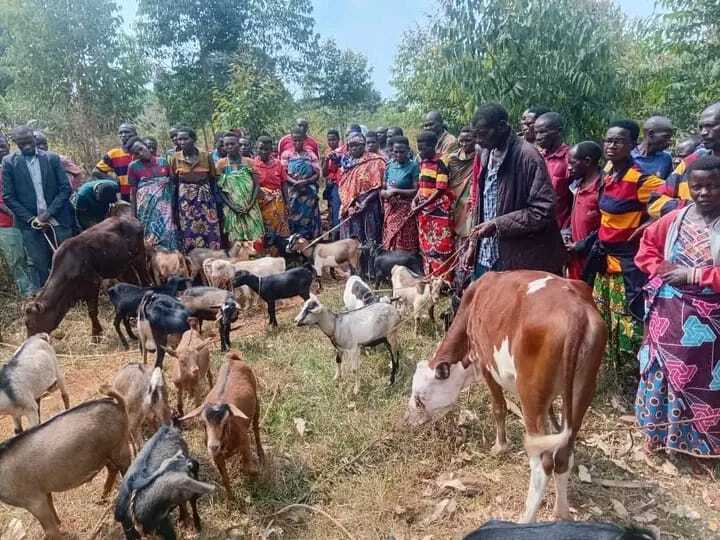
The Commune Tangara recently organized a significant livestock redistribution activity on various hills within its Gashikanwa and Remera zones. This full initiative, which involved the redistribution of both cattle and goats, saw 63 goats provided to local households. The effort is strategically designed to boost household development and foster economic stability within the commune, directly addressing the needs of its residents.
Goals and Principles
The livestock redistribution activity in Commune Tangara was meticulously planned and conducted following the principle of the solidarity chain, known locally as 'chaîne de solidarité,' according to local officials. This foundational approach is specifically designed to strengthen mutual aid and cooperation among community members, creating a self-sustaining network of support. The initiative's primary goal is to significantly improve the living conditions of participating households through the strategic acquisition and effective management of livestock. By providing these valuable assets, the program aims to empower families to enhance their livelihoods. The distribution of 63 goats to households across the Gashikanwa and Remera zones reflects a deep commitment to fostering collective support and driving tangible economic development at the household level. The solidarity chain model, central to this program, emphasizes shared responsibility, community engagement, and the realization of long-term benefits for the entire community, ensuring that the positive impacts are widespread and enduring.
Administrator's Vision
Jean Pierre Ndikuryayo, the esteemed administrator of the Commune Tangara, personally presided over the impactful livestock redistribution activity, showing its importance to the commune's development agenda. During the event, Ndikuryayo articulated a clear vision, stating that livestock farming plays an essential and multifaceted role in improving family living conditions. "M. Ndikuryayo a souligné que l’élevage joue un rôle essentiel dans l’amélioration des conditions de vie des familles. Au-delà de l’accroissement du patrimoine des ménages, il permet également de produire du fumier organique, ce dernier contribue à améliorer les rendements agro-pastoraux, surtout lorsque les engrais chimiques ne sont pas disponibles à temps," Ndikuryayo said, noting the dual benefits of the program. He further emphasized that in addition to directly increasing household assets and providing a source of income, livestock also produces organic manure. This organic manure is particularly key for improving agro-pastoral yields, especially in situations where chemical fertilizers are not readily available or are cost-prohibitive. Ndikuryayo's vision for the program thus notes its dual benefit of economic empowerment and agricultural sustainability for the households involved, promoting both financial growth and ecological farming practices.
Community Impact
The livestock redistribution initiative in Commune Tangara was full, including both cattle and goats, to maximize its impact on local families. This activity directly supported local households by providing them with productive animals that can generate income and improve food security. A total of nine cows were redistributed as part of this effort, alongside the previously mentioned 63 goats. The strategic distribution of these animals aims to significantly enhance the economic stability and agricultural productivity of the recipient families, offering them a pathway to greater self-sufficiency. The program shows a strong commitment to fostering sustained self-sufficiency and improving livelihoods through the direct provision of valuable assets. This approach is intended to create lasting and sustainable benefits for the community members involved in the program, aligning smoothly with the commune's broader development objectives and long-term vision for prosperity.
National Alignment
This vital local initiative aligns directly with Burundi's overarching national efforts to eradicate poverty across the country. By empowering individual households and strengthening community resilience, this program contributes significantly to the nation's broader vision of becoming an emerging nation by 2040 and a fully developed country by 2060. Such targeted local actions, like the livestock redistribution in Commune Tangara, are considered integral and indispensable components to achieving these ambitious long-term national development goals, demonstrating how grassroots efforts can build towards national prosperity.