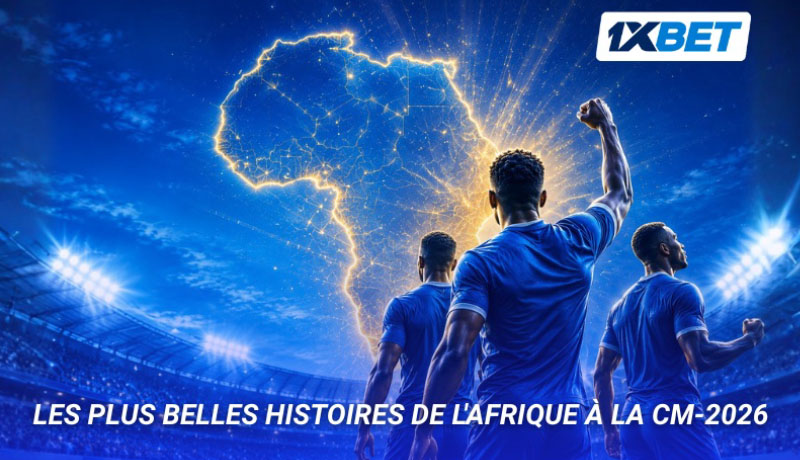
The 2026 World Tournament, held in North America, recently concluded, marking a significant and historic achievement for African football. This edition of the global football spectacle witnessed an unprecedented level of participation and success from the African continent. A record number of 10 selections proudly represented Africa in the tournament, showcasing the growing strength and depth of football across the continent. Of these, an astonishing nine out of the ten African representatives defied expectations and advanced to the highly competitive knockout stage, setting a new benchmark for the continent and rewriting the narrative of African teams on the world stage. The 2026 World Tournament saw a record number of African teams reach this key phase of the competition, signaling a profound shift in the international football landscape. This collective performance shows a burgeoning era of competitiveness and talent emerging from Africa, promising an exciting future for the sport.
Emerging Giants on the World Stage
Cap-Vert, participating as a newcomer in the tournament, made a notable and unforgettable impact by reaching the round of 16. Their journey was marked by moments of brilliance and resilience that captured the attention of fans worldwide. In a particularly impressive display of skill and determination, the team achieved a draw against Spain, the eventual champion of the tournament, demonstrating their ability to compete with the sport's elite. This key result not only noted Cap-Vert's potential but also had significant implications for other teams in their group, as Cap-Vert's performance also prevented Uruguay from advancing to the knockout stage of the competition. Their remarkable journey concluded in the round of 16, where they faced a formidable opponent in Argentina, ultimately losing after a grueling 120 minutes of play, a testament to their fighting spirit. Cap-Vert's debut performance left an indelible mark, proving that new entrants from Africa are ready to challenge established footballing nations.
Côte d’Ivoire marked a truly historical achievement by reaching the knockout stage for the first time in its history, a moment that will be celebrated for years to come by its footballing faithful. Their progression to this coveted stage was secured by hard-fought and well-deserved victories over Curaçao and Ecuador during the group stages, showcasing their tactical prowess and individual talent. This breakthrough performance signifies a major milestone for Ivorian football, fulfilling a long-held ambition. Côte d’Ivoire's tournament run, while historic, ultimately concluded in the round of 16 following a competitive match against Norway, where they battled valiantly until the final whistle. Despite their exit, their maiden journey into the knockout rounds has set a new standard for future generations of Ivorian footballers.
RD Congo participated in a World Football Tournament for the first time since 1974, making their long-awaited and triumphant return to the global stage after decades. The team demonstrated strong and compelling performances throughout their campaign, proving they belonged among the world's best. Among their notable displays was a dominant showing against Uzbekistan, where their offensive power and defensive solidity were on full display. RD Congo also secured a valuable and hard-earned point against Portugal during the challenging group stages, a result that showed their ability to compete with top-tier European teams. Their inspiring campaign saw them push England, who went on to become a bronze medalist in the tournament, to its limits in a competitive and fiercely contested match, earning them widespread admiration for their resilience and skill. This return to the global stage was a powerful statement of intent from the Congolese team.
Battles in Tough Groups
Senegal navigated one of the tournament's most challenging groups, according to analysts, facing formidable opponents and demonstrating remarkable resilience. Their ability to progress from such a demanding section of the draw showed their status as one of Africa's premier footballing nations. During the group stage, Senegal secured a decisive and emphatic 5-0 victory against Iraq, a result that not only boosted their goal difference but also sent a clear message about their attacking capabilities. Their journey ultimately concluded in the round of 16, where they faced a strong European contender in Belgium. In a match filled with drama and excitement, Senegal initially held a commanding 2-0 lead against Belgium, showcasing their potential to upset higher-ranked teams. However, despite their early advantage, they eventually lost to the European side, bringing an end to a memorable campaign that noted their competitive spirit and talent.
South Africa also experienced a demanding group schedule, which tested their mettle from the very beginning of the tournament. The team began their tournament campaign with a tough loss to Mexico on the first day of competition, a result that put immediate pressure on their subsequent matches. Following this initial setback, South Africa demonstrated their resilience by earning a key draw against the Czech Republic, securing a valuable point in their group and keeping their hopes of advancement alive. The team then went on to defeat South Korea in a key match, a result that significantly contributed to their advancement to the knockout stages, showcasing their ability to perform under pressure. South Africa's run in the tournament concluded in the round of 16, where they were eliminated by Canada, bringing an end to a campaign that saw them successfully navigate a challenging group and demonstrate significant progress on the international stage.
Beyond the Knockout Rounds: A Continental Triumph
The 2026 World Tournament showcased a significant and undeniable shift in African football's global standing, with a record nine out of ten African representatives advancing beyond the group stages. This collective achievement is a testament to the continuous development, investment, and talent present across the continent. While Cap-Vert, as a newcomer, reached the round of 16, ultimately losing to Argentina after a valiant 120-minute effort, their performance against the future champion, Spain, and their role in preventing Uruguay's progression, solidified their place as a team to watch. Côte d’Ivoire also made its first-ever knockout stage appearance, a historic moment secured by victories over Curaçao and Ecuador, before exiting after a match against Norway. RD Congo, returning to the tournament after decades since 1974, demonstrated strong performances, including dominating Uzbekistan and taking a key point against Portugal, while pushing England, a future bronze medalist, to its limits. Senegal navigated a challenging group, securing a decisive 5-0 victory against Iraq before its journey ended against Belgium in the round of 16, despite holding a 2-0 lead. South Africa also progressed from its demanding group following a hard-fought draw against the Czech Republic and a key win over South Korea, before being eliminated by Canada in the round of 16. These collective performances show a new era for African teams on the world stage, characterized by increased competitiveness, tactical sophistication, and the emergence of new footballing powers ready to challenge the established order. The 2026 World Tournament will undoubtedly be remembered as a turning point for African football, inspiring future generations and confirming its rising stature in the global game.