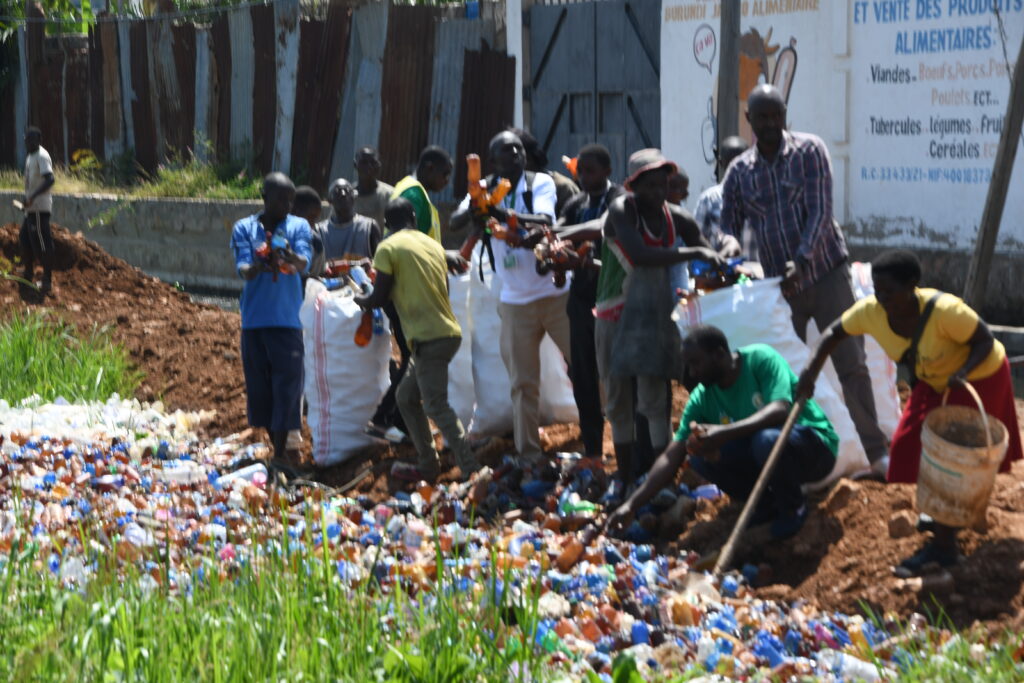
The Association des jeunes amis de la nature de Kabezi (Ajanaka) recently organized a community awareness activity focused on waste management and solid waste collection. The initiative took place at Kinindo market and its surrounding areas. The campaign aimed to engage local residents and traders directly in efforts to improve environmental hygiene within the bustling commercial hub. Ajanaka representatives disseminated information and encouraged participation in proper waste disposal methods throughout the market and adjacent streets. The activity showed the organization's commitment to fostering cleaner communities in the region, emphasizing the critical role of community involvement in achieving sustainable environmental practices.
Environmental Concerns and Aims
The awareness activity, organized by Ajanaka, took place on Thursday, April 30, 2026, at Kinindo market. This specific date allowed the organization to conduct a focused intervention within the market and its surrounding areas, directly addressing the observed waste management challenges. The campaign's primary objective was to address the pressing environmental concerns related to waste accumulation in the area. Ajanaka aims to foster a cleaner environment by educating market vendors and local residents on responsible waste disposal practices. The organization emphasized the importance of proper sorting and collection to mitigate pollution and improve public health conditions. By engaging directly with the community, Ajanaka hopes to instill long-term behavioral changes that will contribute to sustainable waste management within Kinindo and its surrounding neighborhoods. This initiative is part of a broader effort to enhance environmental awareness and promote collective responsibility for maintaining hygienic public spaces, particularly in high-traffic commercial zones like Kinindo market. The focus on direct engagement helps to ensure that the message resonates with those most affected by and contributing to the local waste situation.
Ajanaka's Broader Initiatives
Ajanaka's involvement extends to the Ecocirc project and efforts dedicated to the protection of Lake Tanganyika. The association works in collaboration with companies operating within the waste sector as part of its broader environmental strategy. This collaborative approach allows Ajanaka to leverage expertise and resources from various stakeholders, enhancing the effectiveness of its initiatives. While the initiative started in Bujumbura, the organization recognizes that sanitation issues also affect the interior of the country, indicating a wider scope for its activities beyond the capital. This broader perspective ensures that Ajanaka addresses environmental challenges not just in urban centers but also in rural areas where sanitation infrastructure might be less developed. This collaborative approach, working with private sector companies and extending its reach beyond the capital, shows Ajanaka's commitment to addressing environmental challenges through partnerships and expanded outreach. The focus on both specific projects like Ecocirc and the broader protection of Lake Tanganyika notes the multi-faceted nature of the association's environmental engagement, aiming for full and lasting impact.
Community Reaction and Future
During its awareness campaign, Ajanaka noted the significant dangers posed by non-biodegradable plastic waste. The organization noted that such waste is harmful to human health, posing risks through various exposure pathways. Additionally, Ajanaka stated that non-biodegradable plastics present a danger to the ozone layer, contributing to environmental degradation on a global scale. These plastics pose a direct threat to the ecological health of Lake Tanganyika, a vital natural resource for the region. This emphasis on the multi-faceted impact of plastic pollution aimed to show the urgency of adopting better waste management practices among market vendors and residents. The campaign sought to educate the community on how improper disposal of plastics can lead to long-term environmental damage and health issues, thereby encouraging a shift towards more sustainable habits.
Call for Collective Action
The Burundian government's "Zéro déchet" (Zero Waste) project was noted within the context of the campaign. This national initiative aims to promote responsible waste management practices across the country, aligning with Ajanaka's local efforts. Ajanaka's awareness efforts at Kinindo market align with the broader objectives of the government's program, seeking to encourage public participation in environmental protection. The emphasis on collective responsibility shows the necessity of community engagement for the successful implementation of such initiatives, recognizing that government efforts alone are insufficient without active citizen involvement. By linking its local campaign to a national strategy, Ajanaka reinforces the idea that waste management is a shared responsibility, requiring concerted efforts from individuals, communities, and governmental bodies to achieve a cleaner, healthier environment for all.