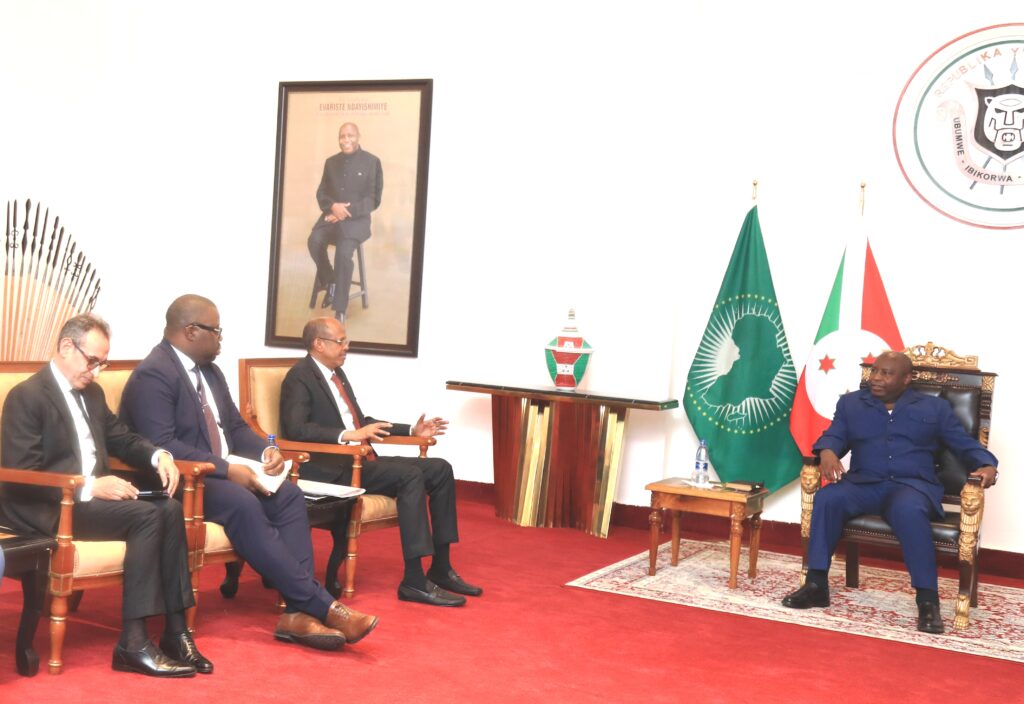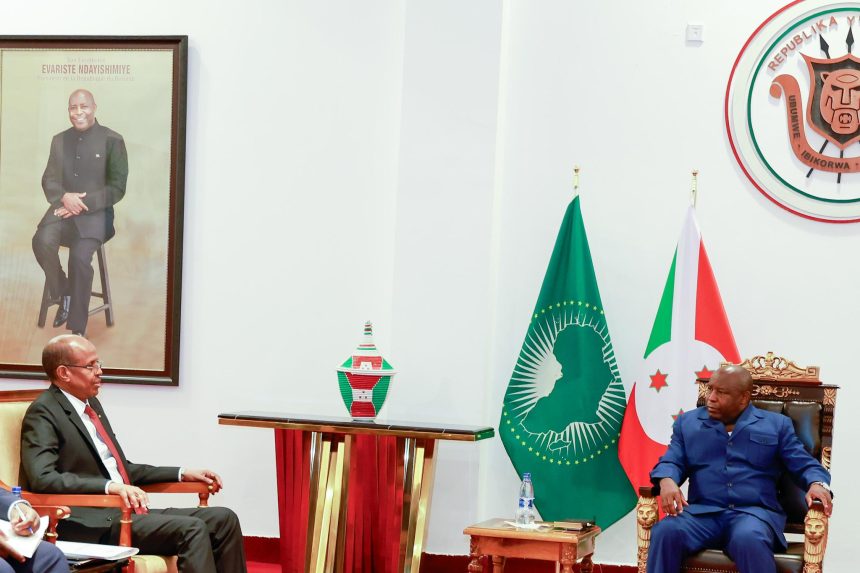
African Union Commission Chair Mahmoud Ali Youssouf met with Burundi President Évariste Ndayishimiye at the Presidential Palace in Bujumbura. The meeting, which took place on [Insert Date if available, otherwise omit], addressed the critical Ebola crisis and a range of continental priorities, according to sources familiar with the discussions. President Ndayishimiye is slated to serve as Chairperson of the African Union and Chair of the Assembly of Heads of State and Government of the African Union for 2026, commencing his term on June 16, 2026. This significant upcoming leadership role shows the importance of such high-level consultations in shaping the continent's future agenda. The discussions aimed to ensure a smooth transition and full understanding of the challenges and opportunities facing the African Union.
Continental Health and Security Agendas
Chairperson Youssouf informed President Ndayishimiye about the most recent Ebola developments across Africa, utilizing data provided by the Africa Centres for Disease Control and Prevention. The briefing covered the current state and spread of the disease, noting areas of concern and successful containment strategies, according to officials present at the discussions. This detailed overview of the health situation aimed to equip the incoming AU Chair with full information regarding ongoing public health challenges and the continent's response mechanisms. The emphasis was placed on strengthening continental preparedness and ensuring a coordinated response to public health emergencies, particularly in the face of recurrent outbreaks and the need for strong health infrastructure across member states. The discussion also touched upon the importance of early detection and rapid deployment of resources to mitigate the impact of such health crises.
The meeting also included extensive discussions on peace, security, and mediation initiatives across Africa. Specific attention was given to ongoing efforts in Sudan and South Sudan, where the African Union has been actively involved in conflict resolution and peace-building processes. The leaders reviewed the progress of various mediation efforts and discussed strategies for enhancing stability in these volatile regions. The leaders addressed the security situation in the eastern Democratic Republic of the Congo, a region facing complex humanitarian and security challenges due to persistent armed group activities and displacement. The dialogue emphasized the importance of continental cooperation in addressing these critical security issues, fostering stability, and protecting civilian populations. Initiatives aimed at restoring constitutional order in countries across the Sahel region were also discussed between the two leaders, showing the AU's commitment to democratic governance and stability throughout the continent.
AU Leadership and Summit Preparations
The meeting occurred in anticipation of a high-level African Union Summit focused on Ebola, which will be convened under President Évariste Ndayishimiye’s leadership. This significant Ebola Summit, scheduled to take place in Bujumbura, is expected to gather a diverse group of participants, including African leaders, health experts, policymakers, and various development partners. The primary objective of the summit is to enhance continental coordination in the fight against Ebola, mobilize essential resources, and reinforce collective action to combat the disease effectively. The summit aims to develop actionable strategies and foster greater collaboration among member states, international organizations, and civil society. President Ndayishimiye assumed his leadership role within the African Union following his election at the 39th Ordinary Session of the AU Assembly. That session was held in Addis Ababa in February, where member states formally selected him for the prestigious position, recognizing his commitment to continental unity and development.
Institutional Reform and AU Priorities
Beyond health and security, the African Union institutional reform process was a central topic of their meeting. This ongoing reform effort seeks to enhance the AU's efficiency, effectiveness, and financial independence, ensuring it is better equipped to address the continent's multifaceted challenges. Discussions focused on strengthening continental preparedness and ensuring a coordinated response to public health emergencies, which is a key component of the broader reform agenda. Initiatives aimed at restoring constitutional order in countries across the Sahel region were also discussed between the two leaders, reflecting the AU's proactive stance on governance issues. African Union Commission Chair Mahmoud Ali Youssouf commended William Ruto for advancing the AU reform agenda, acknowledging his contributions and leadership in driving these key institutional changes. The continuous dialogue on these reforms notes the commitment of AU leadership to build a more resilient and impactful continental body.