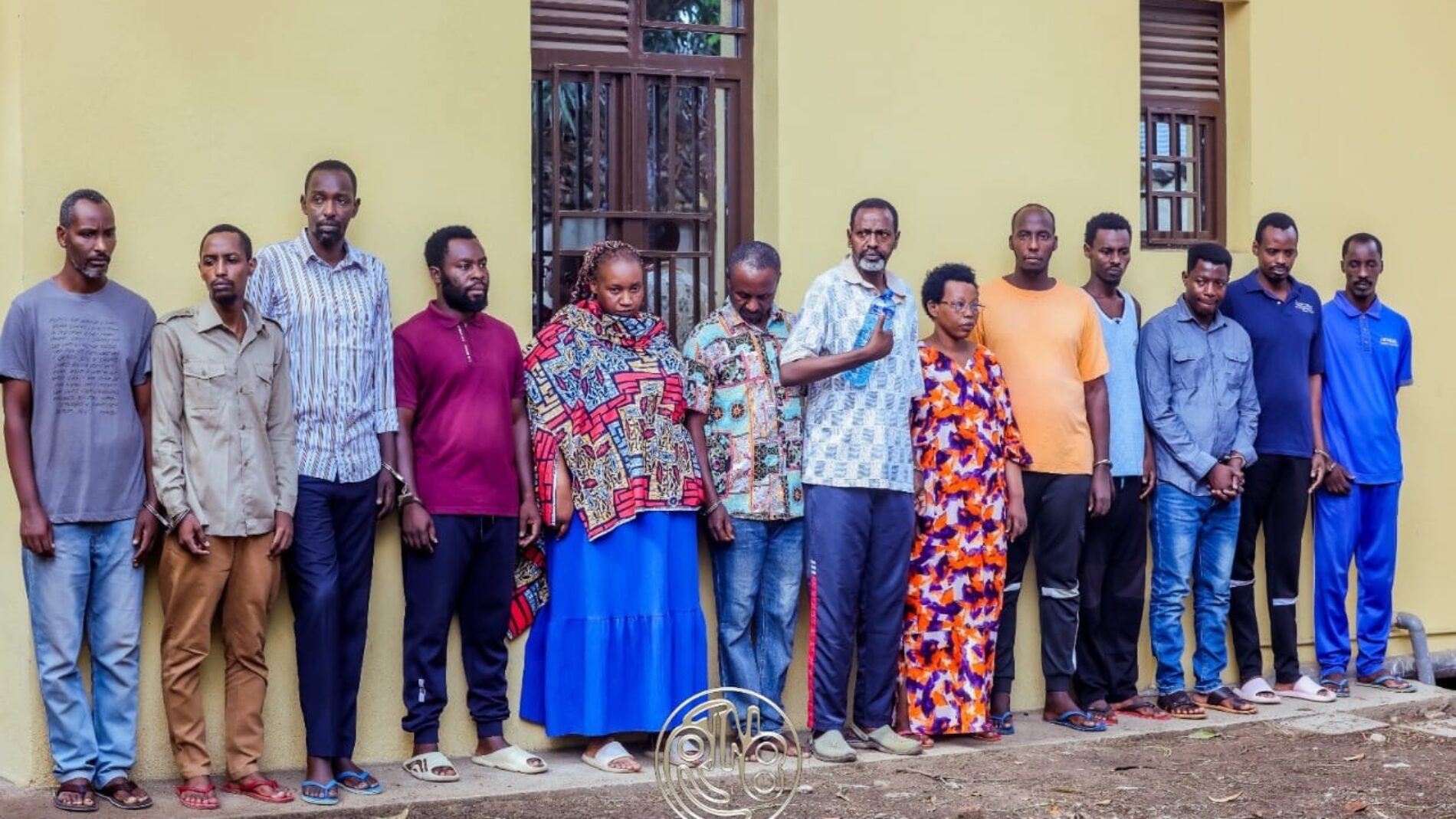
Burundian authorities presented 13 individuals, predominantly Banyamulenge refugees, to selected journalists on Friday, October 9, 2026. The individuals face accusations of espionage for Rwanda and armed groups operating in the eastern Democratic Republic of Congo (DRC). Authorities allege the group has been involved in intelligence gathering and collaboration with hostile entities, activities deemed detrimental to national security.
The 13 individuals, comprising 11 men and two women, had been held by the Burundian National Intelligence Service (SNR) for nearly a month prior to their presentation. Their detention and subsequent public display show the serious nature of the charges leveled against them by the Burundian government. According to authorities, these individuals are accused of espionage for the enemy, undermining state security, using false documents, and undermining the national economy. The public presentation of the suspects, including a majority of Banyamulenge refugees, to journalists on October 9, 2026, served to highlight the government's firm stance on these allegations.
Prominent Figures Detained
Mark Ntayoberwa, head of the Stone Evangelical Church, was identified among the individuals presented by authorities. Gédéon Nzayitegaho, pastor of the Carmel Church, is also listed among the suspects facing espionage accusations. Another prominent figure, Jalos Nkunda Kilaya, head of the Evangelical Church in the Great Lakes Region (EEPGL), was also presented to journalists. Their inclusion among the accused shows the broad reach of the government's investigation into alleged subversive activities.
Mr. Kilaya's arrest occurred on September 8 at Bujumbura International Airport. He was reportedly preparing to travel to Kigali, Rwanda, when he was taken into custody by Burundian authorities. At the time of his arrest, Mr. Kilaya was reportedly in possession of a Rwandan passport, a detail that authorities have noted as part of their evidence. These religious leaders are among the 13 individuals accused by Burundian authorities of collaborating with Rwanda and armed groups in the eastern Democratic Republic of Congo (DRC). Their public presentation by the Burundian National Intelligence Service (SNR) follows nearly a month of detention, during which time investigations into their alleged activities were conducted. The accusations against them include espionage for the enemy, undermining state security, using false documents, and undermining the national economy.
Broader Accusations and Regional Links
Pierre Nkurikiye, spokesperson for the Ministry of Public Security, stated that the suspects collaborated with armed groups active in the region. These groups include AFC/M23, Red-Tabara, a Burundian armed group based in eastern Democratic Republic of Congo (DRC), and Twirwaneho, an armed group composed mainly of fighters from the Congolese Banyamulenge Tutsi minority. The alleged collaboration with such diverse groups indicates a complex web of regional security concerns that Burundian authorities are attempting to address. Burundi has deployed soldiers of the National Defence Force of Burundi (FDNB) in eastern DRC to combat the AFC/M23 and its allies. The presence of Burundian troops in the DRC is part of regional efforts to stabilize the volatile eastern territories, where numerous armed groups operate. The armed group Twirwaneho, which is primarily composed of Banyamulenge fighters, claims its mission is to defend this community in the DRC, adding another layer of complexity to the regional dynamics. The Burundian government views any collaboration with these groups as a direct threat to its national interests and stability.
Call for Community Monitoring
Pierre Nkurikiye, spokesperson for the Ministry of Public Security, urged the Burundian population to monitor members of the Banyamulenge community. Mr. Nkurikiye also called on citizens to refuse to rent housing to individuals from this group, signaling a broader appeal for public vigilance and a directive for community-level surveillance. This directive follows accusations of espionage against Banyamulenge refugees and other individuals, suggesting a government-led effort to involve the general populace in security matters. The call for public monitoring and housing discrimination against the Banyamulenge community reflects the heightened tensions and suspicions surrounding this group in Burundi.
In Bwagiriza, located in eastern Burundi, at least three Banyamulenge refugees have been arrested or abducted since September. These incidents were carried out by police and intelligence services, further illustrating the direct impact of the government's stance on the refugee community in the region. These arrests highlight a pattern of increased scrutiny and action against individuals identified as Banyamulenge, particularly in areas where refugee populations are concentrated. The ongoing detentions and public appeals show a period of significant pressure on the Banyamulenge community within Burundi.
Community Reaction and Concerns
The suspects, including several pastors, were shown handcuffed at the premises of the National Intelligence Service (SNR) in Bujumbura, Burundi's economic capital. Authorities accuse them of espionage for the enemy, undermining state security, using false documents, and undermining the national economy. Among the presented individuals, one suspect was reportedly in possession of a Rwandan passport, a detail that authorities have used to bolster their claims of foreign collaboration. This public display by the SNR in Bujumbura notes the government's firm stance on the allegations and its determination to prosecute those it believes are involved in activities detrimental to national interests. The accusations link the individuals to activities deemed detrimental to national interests, encompassing intelligence gathering, economic sabotage, and the use of falsified identification. The public nature of these accusations and the call for citizen vigilance have undoubtedly raised concerns among human rights organizations and the Banyamulenge community regarding potential discrimination and due process.