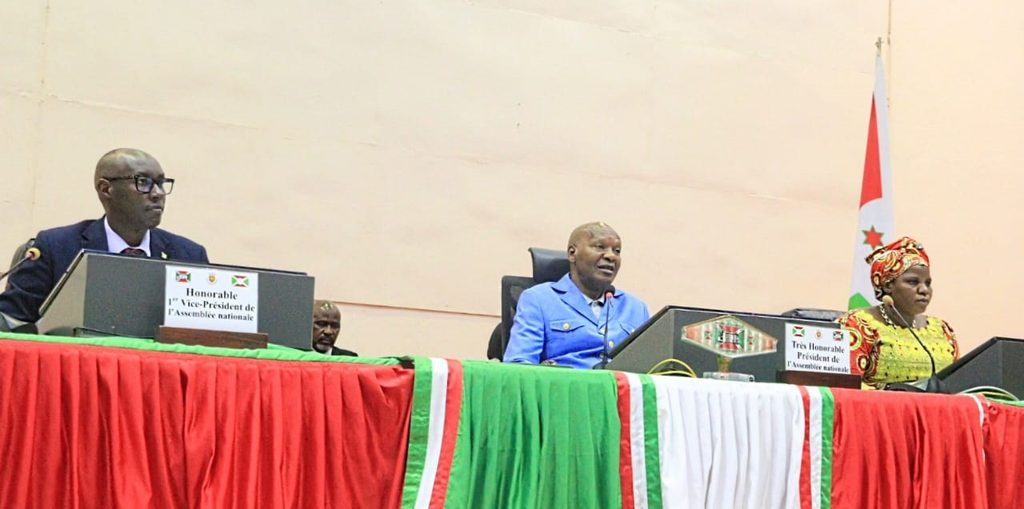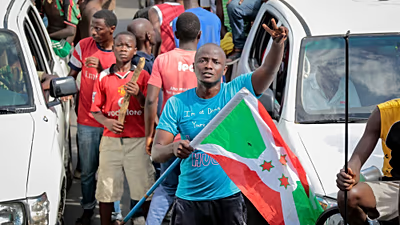
Burundi marked the 33rd anniversary of the assassination of former President Melchior Ndadaye on 21 October 2026. Official commemorations took place to remember the late leader, who was killed in 1993. During the events, Gabriel Banzawitonde, president of the APDER party, commented on the current political environment in the nation. He stated that "the ruling party had increasingly consolidated its control over the country." The anniversary serves as a focal point for assessing the political trajectory of Burundi since the death of the former president. Government officials and party leaders attended proceedings to reflect on the legacy left by Melchior Ndadaye.
Historical Impact of Assassination
Melchior Ndadaye was assassinated in 1993, only three months after taking office. This event triggered a civil war and widespread interethnic violence across Burundi. The impact of his death reshaped the national political landscape for decades, as the country navigated the transition from the immediate aftermath of the killing to the subsequent peace processes.
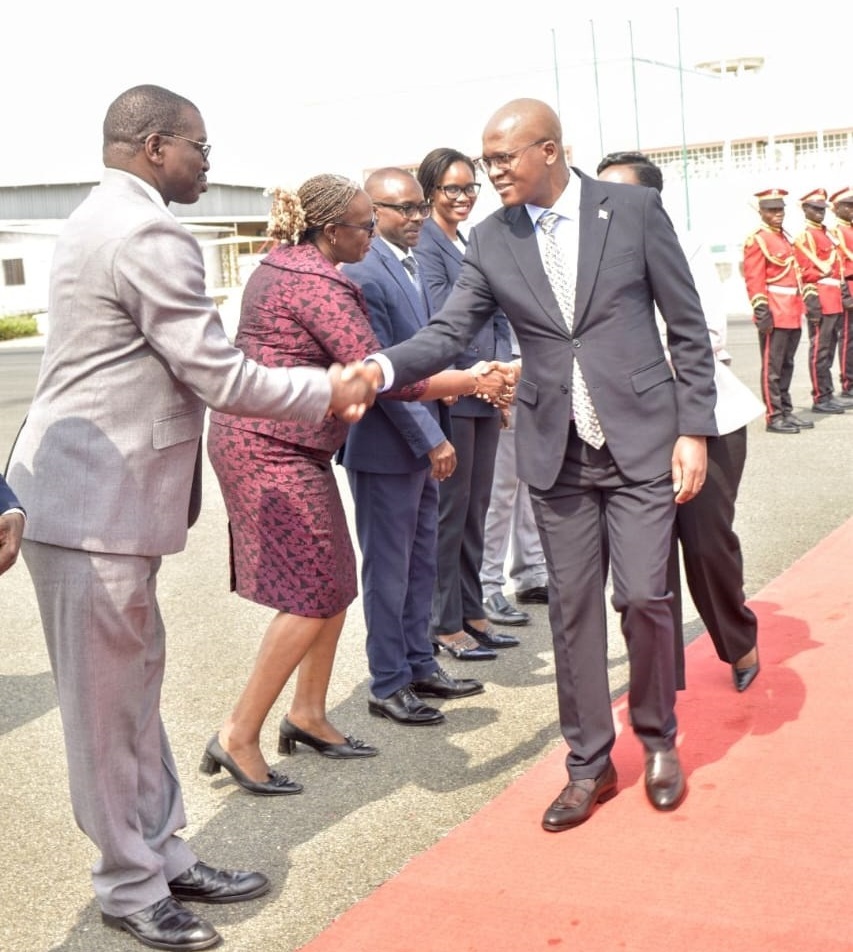
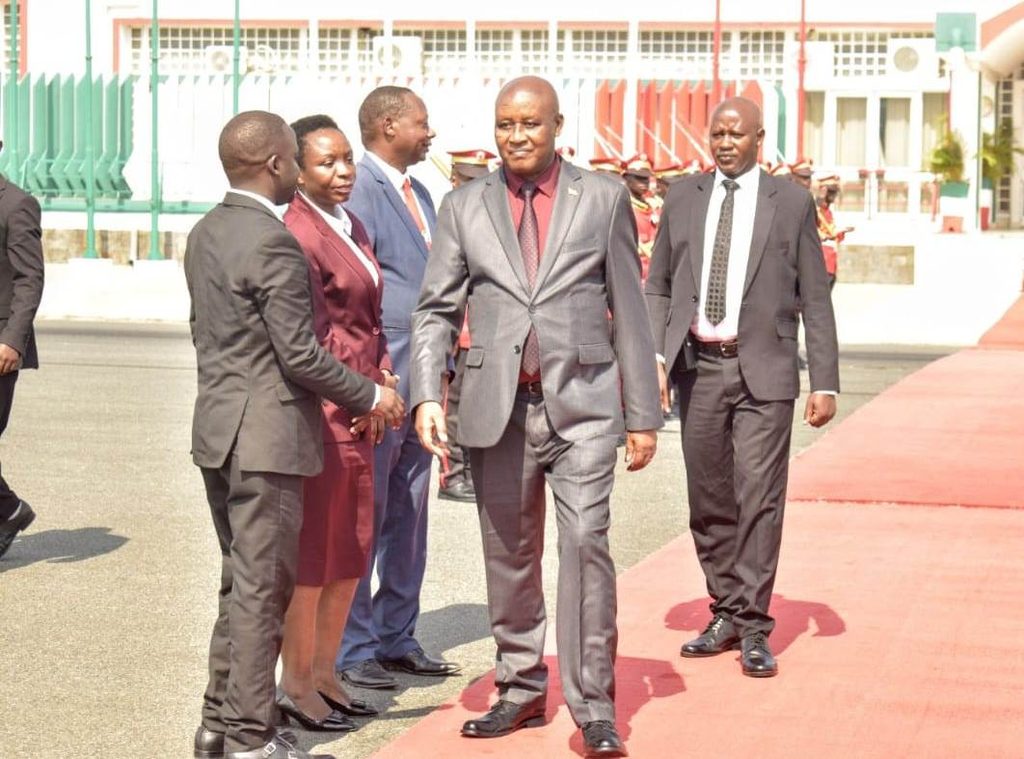
Commemorations on 21 October 2026 were held at the Heroes of Democracy Square. President Évariste Ndayishimiye attended the proceedings to mark the anniversary. Participants gathered at the site to reflect on the events of 1993 and the state of the nation following the conflict that emerged in the wake of the assassination.
Olivier Nkurunziza, president of the Union for National Progress (UPRONA), addressed the significance of the democratic legacy during the commemorative period. He stated that "although peace had been achieved, democracy must become a genuine reality to prevent a return to one-party rule." His comments focused on the transition from the civil war period to the current political system.
Jean De Dieu Mutabazi, president of RADEBU, provided an assessment of the political developments since the 1993 assassination. He noted that "Burundi had made progress in establishing democracy and political pluralism, while acknowledging that democratic principles were not always fully respected." These perspectives from political leaders reflected the ongoing discourse regarding the stability of the nation and the evolution of its democratic institutions since the end of the civil war. The presence of government officials at the ceremony showed the role of the state in recognizing the historical trajectory of the country following the death of the former president.