Burundi's government has placed the country on maximum alert after the Ebola virus reappeared in the Great Lakes region. This decisive action by the Burundian government shows the seriousness of the situation. Health authorities expressed concern over the potential spread to Burundi, citing frequent exchanges with affected areas in the Democratic Republic of Congo (DRC) and Uganda. The proximity of these affected regions and the high volume of cross-border movement are key factors contributing to this heightened concern. In a statement published on May 16, the Ministry of Public Health and Fight against AIDS announced that Congolese and Ugandan health authorities officially notified a new Ebola epidemic on May 15, 2026. This official notification triggered the immediate response from Burundian authorities. The epidemic hotspots are located less than 400 kilometers from Burundian territory, further emphasizing the immediate threat.
Regional Threat Intensifies
Mobility flows between Burundi, the eastern Democratic Republic of Congo (DRC), and Uganda present a high risk of propagation, particularly along the air and land routes connecting Bujumbura and Goma. These routes are vital for trade and human movement, creating pathways for potential virus transmission. The continuous movement of people across these borders makes effective containment a significant challenge for public health officials. Burundi is considered among the most exposed countries in the sub-region due to previous health alerts. The nation's experience with past health crises has informed its current preparedness strategy. Several confirmed cases have already been reported in health zones within the Ituri province, located in the northeast of the DRC. The presence of these cases in a neighboring province notes the urgent need for strong preventive measures in Burundi. The geographic proximity of these outbreaks to Burundi's borders has intensified fears of a cross-border spread, prompting the government to act swiftly and decisively.
Strengthened Prevention Measures
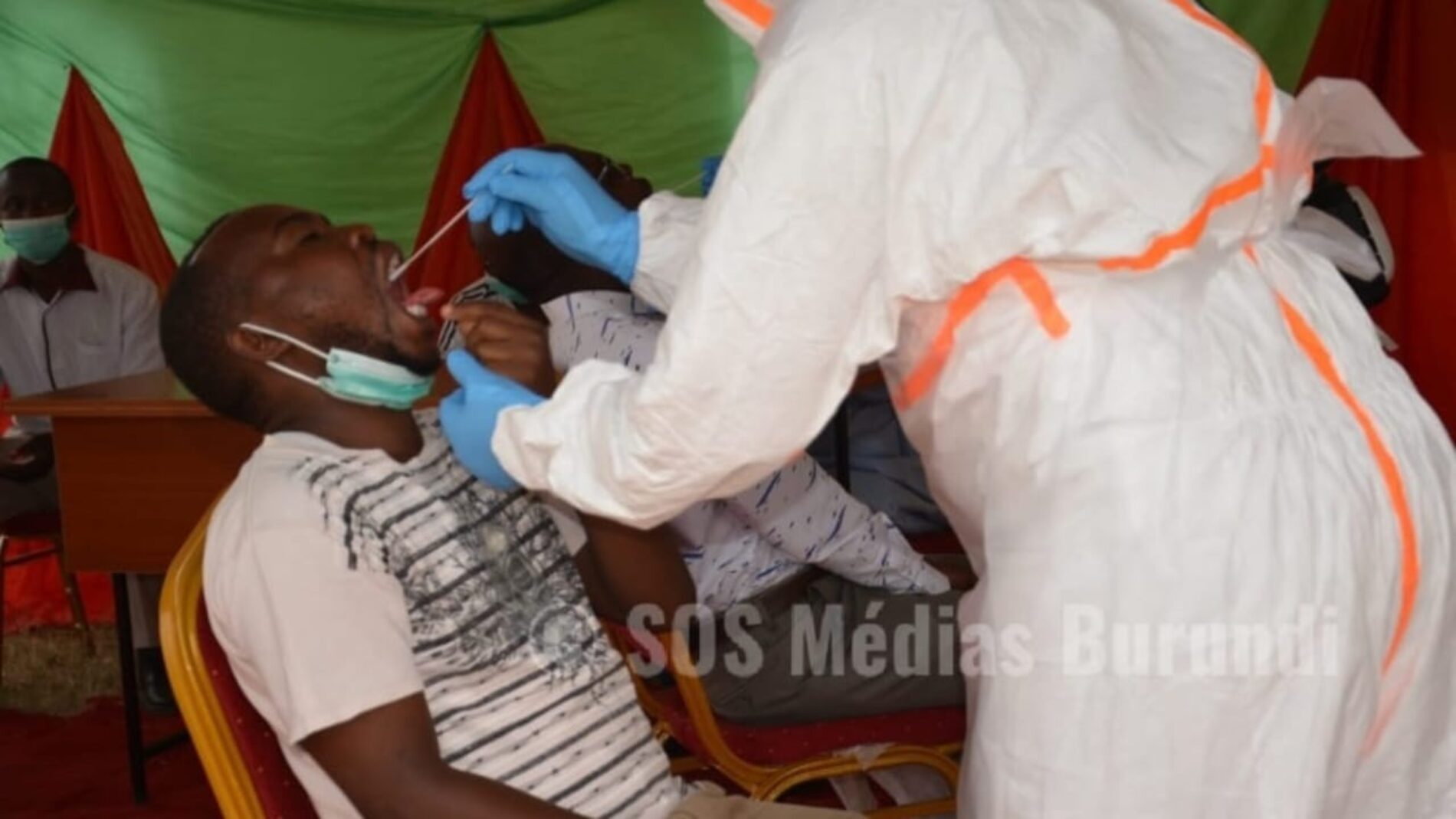
Burundian health authorities, supported by the World Health Organization (WHO), have strengthened several prevention measures across the country. This collaborative effort aims to fortify the nation's defenses against the potential infiltration of the virus. These implemented measures include enhanced controls at Burundi's entry points, where temporary screening facilities have been established. These facilities are key for monitoring incoming travelers and identifying any individuals presenting with symptoms. Additionally, rapid intervention teams have undergone training and been deployed to critical areas. The training ensures these teams are equipped with the necessary skills and knowledge to respond effectively to suspected cases, including safe patient management and contact tracing. Personal protective equipment and prevention kits have been distributed in priority areas, with a particular focus on border provinces, to equip frontline workers and communities. This distribution is vital for protecting healthcare personnel and empowering local populations to take precautionary steps. Enhanced epidemiological surveillance is concurrently underway in several localities to facilitate the swift detection of any suspected cases, ensuring a prompt response. This surveillance involves active monitoring for symptoms and rapid testing to confirm or rule out Ebola infections, allowing for immediate isolation and treatment.
Understanding Ebola Symptoms
Symptoms compatible with Ebola can manifest as high fever, headaches, intense fatigue, and muscle pain. These initial signs can sometimes be mistaken for other common ailments, making early and accurate diagnosis challenging but critical. Other indicators of the disease include vomiting or diarrhea. These gastrointestinal symptoms often appear as the disease progresses. These symptoms may appear rapidly after exposure to the virus, typically within a few days, though the incubation period can extend up to three weeks. Early recognition of these signs is key for prompt medical intervention and to help prevent further transmission. Public health campaigns often emphasize awareness of these specific symptoms to encourage individuals to seek immediate medical attention if they experience them, especially in areas where Ebola outbreaks are active or suspected. Heightened vigilance regarding these symptoms is particularly important for healthcare workers and communities living near affected regions, as early reporting can significantly improve patient outcomes and limit the spread of the virus.