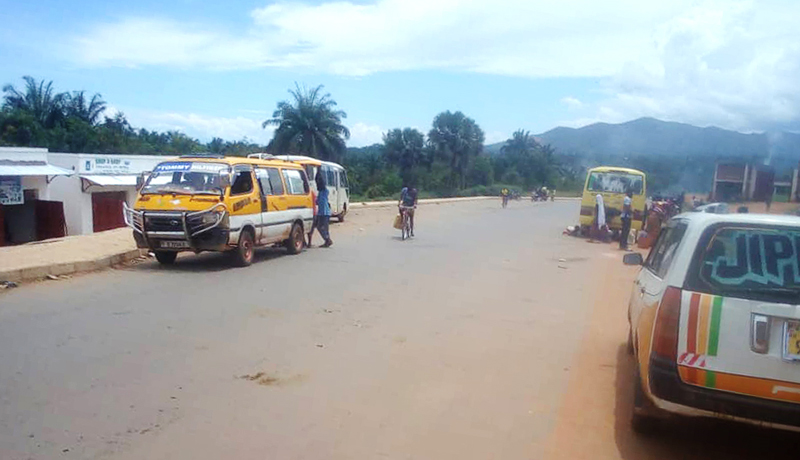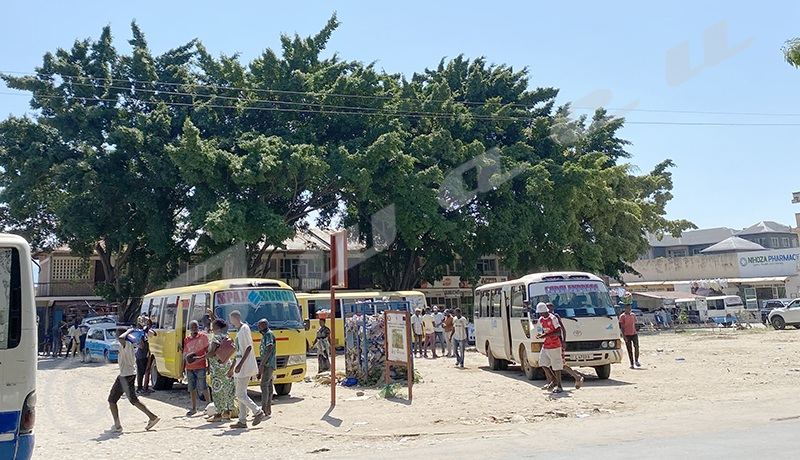
Since May 8, 2026, authorities in Bujumbura province officially relocated bus stops from the commune of Mugere to markets in Musaga, Kanyosha, Ruziba, and Kinindo. This significant administrative decision has fundamentally altered the public transport landscape within the commune. The reorganization has led to significant disruption in public transport services within Mugere, impacting the daily routines of thousands of residents. Drivers have responded to the changes by moving their operations to northern parking lots, further contributing to the altered transport landscape in the area. This shift has impacted commuter access and the flow of daily transport activities for residents, creating a complex situation for both passengers and transport operators.
Administration's Stated Goals and Immediate Impact
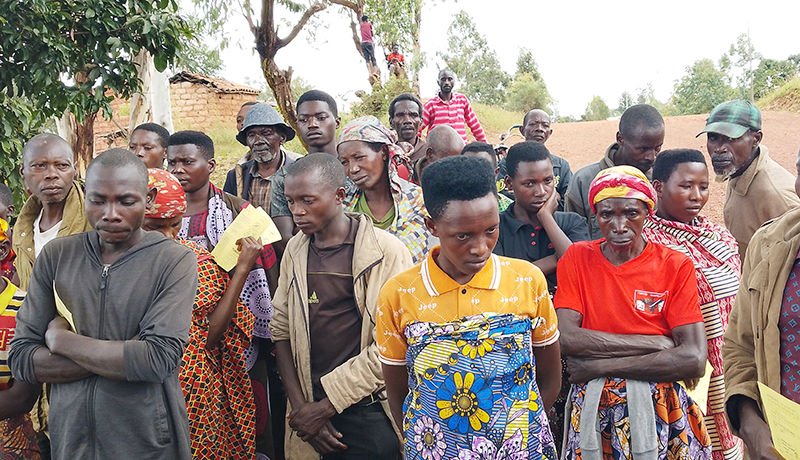
The administration presented the relocation measure as a solution intended to reduce both traffic accidents and congestion within the area. Officials stated that the move was a strategic effort to streamline urban traffic flow and enhance safety for all road users in Bujumbura province. However, the changes have led to immediate and noticeable difficulties for early morning commuters. Masons, students, civil servants, and small traders are reportedly experiencing a severe lack of available buses at both the previous and newly designated parking locations. This situation has created considerable challenges for those relying on public transport for daily travel, forcing many to seek alternative, often more expensive, means of transportation. The disruption has been particularly acute during peak hours, leaving many commuters stranded or significantly delayed.
The absence of adequate bus services at the new locations means that the intended benefits of reduced congestion have not translated into improved commuter experience. Instead, a new set of problems has emerged, directly affecting the productivity and daily lives of a significant portion of Mugere's working population and student body. The lack of clarity regarding bus availability and routes has further exacerbated the confusion and frustration among the public.
Transporter Grievances and Boycott Intensify
Drivers are boycotting the measure, citing concerns over longer routes and ongoing fuel shortages across the region. This boycott represents a unified stand by transport operators against what they perceive as an unworkable and financially detrimental policy. The Association des transporteurs de Burundi (Atrabu) has expressed profound apprehension regarding the new routes, stating that the increased distances could lead to higher ticket prices for commuters. Atrabu's concerns extend beyond operational costs, as the association fears that commune agents may impose new and unofficial taxes, potentially through unofficial solicitors known as 'abakokayi'. These additional levies could further strain the financial viability of transport operations, pushing many small operators to the brink. The drivers argue that these additional costs would inevitably be passed on to the passengers, making public transport less affordable for the average citizen.
Transporters also fear significant financial losses due to allegations that commune agents are forcing buses to complete their routes to final destinations without allowing them to pick up new passengers en route. This practice would significantly reduce potential earnings for drivers and bus owners, as their revenue model heavily relies on picking up passengers at various points along a route. Such a directive, if enforced, would effectively halve the potential income from a single trip, making operations unsustainable. In response to these concerns and the potential consequences of the reorganization, several bus drivers have reportedly relocated their vehicles to other transport lines situated north of the capital. This shift indicates a proactive measure by drivers to mitigate anticipated negative impacts from the new regulations in Mugere, opting to operate in areas where regulations are more favorable or less restrictive. The public transport activity in Mugere remains heavily disrupted, with a noticeable absence of the usual number of buses serving the area, as drivers continue to move their operations to these northern parking lots.
User Inconvenience and Mounting Financial Strain
Commuters in Mugere are experiencing increased inconvenience and financial burdens due to the relocation of bus stops. Users report losing both time and money as a direct consequence of the new arrangements. The changes now necessitate additional travel, often by motorcycle, to reach the designated bus stops. This extra leg of the journey adds unforeseen costs and extends daily commute times for residents reliant on public transportation. The requirement for a secondary mode of transport to access these new, more distant stops has become a significant point of contention for daily commuters, many of whom are already facing economic pressures. The situation creates a ripple effect, impacting the daily routines and budgets of a substantial portion of the population in the commune, forcing them to allocate more of their limited resources to transportation.
The shift has particularly affected those traveling from Mugere to destinations such as Musaga, Kanyosha, Ruziba, and Kinindo, which are now the primary market locations for bus services. What was once a direct bus journey now involves multiple transfers or an initial motorcycle ride to reach the main bus terminus. This not only adds to the financial burden but also exposes commuters to additional risks associated with multiple modes of transport. For many, especially those with fixed incomes or daily wage earners, these added expenses can significantly impact their ability to meet other essential needs. The cumulative effect of lost time and increased expenditure is creating widespread dissatisfaction among the commuting public.
Ministry Intervention and Atrabu's Stance on Jurisdictional Conflict
The Ministry in charge of transport had already initiated discussions regarding the reorganization at Mugere, indicating that the issue was already on the national agenda. Minister Ir. Egide Nijimbere sent correspondence to the Association des transporteurs de Burundi (Atrabu), requesting the association to designate a representative for a commission. This commission was specifically established to study new bus lines and fares, noting the Ministry's intention to approach the issue systematically and with stakeholder input. The Ministry specifically asked Atrabu to provide the representative's name by May 11, 2026, underlining the urgency and official nature of the request.
Atrabu has stated its belief that the commune administration made a decision on the transport stop reorganization while the Ministry was already handling the issue. This suggests a perceived overreach of authority by the local commune, potentially undermining the Ministry's efforts to find a full solution. The association maintains that the responsibility for setting transport ticket prices and defining new transport lines rests solely with the Ministry of Transport, not the commune. This stance notes a clear jurisdictional conflict between the local administration and the national ministry over transport policy, with Atrabu firmly aligning itself with the Ministry's authority on such matters. The association's position shows the importance of a unified and consistent approach to transport regulation across the country, rather than fragmented decisions by local authorities. The ongoing dispute has created an environment of uncertainty, further complicating the resolution of the transport crisis in Mugere.