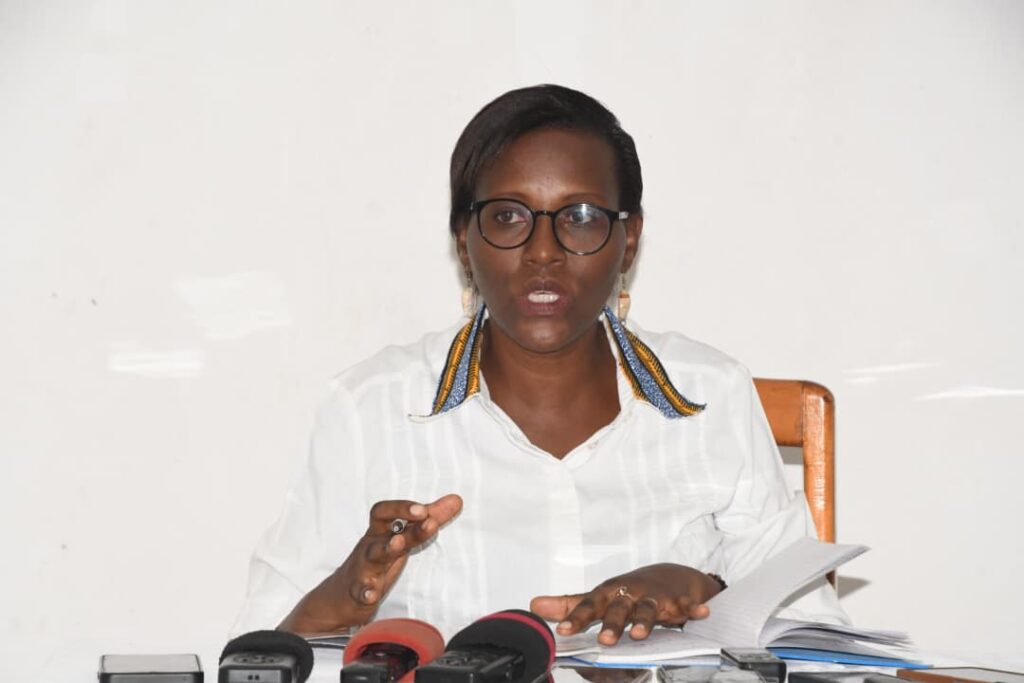
Mireille Kanyange, president of Maison de la Presse du Burundi, held a press conference on Thursday, April 30, 2026, ahead of the World Press Freedom Day celebrations. This important gathering took place just days before the official observance of World Press Freedom Day, which is scheduled for Monday, May 4, 2026. This year's global observance carries the significant theme 'Shaping a better future in peace', a message that resonates deeply with the challenges and aspirations of the media sector in Burundi. During the briefing, Ms. Kanyange emphasized the critical role of information, stating that "l’information est un bien public, un cri d’alerte pour les médias" (information is a public good, a cry of alarm for the media). This declaration showed her belief in the fundamental importance of accessible and reliable information for societal well-being. She further articulated that journalists serve as strategic partners, working to complement authorities in Burundi's socio-economic development, noting their indispensable contribution to the nation's progress and stability.
Challenges Facing Burundian Media
Challenges for media professionals in Burundi include the retention of information by various sources and persistently low salaries. These conditions contribute significantly to the precariousness of the media sector. This precariousness is further exacerbated by the absence of formal employment contracts for some professionals, leaving them vulnerable and without adequate job security. As a direct consequence of these challenging circumstances, journalists are increasingly migrating from the country in search of better opportunities elsewhere, leading to a brain drain in the local media landscape.
Working conditions are often precarious, particularly for private media outlets, which frequently lack essential resources such as fuel and transportation. This scarcity of basic operational tools severely hampers their ability to conduct thorough reporting and reach remote areas. Many media organizations also struggle with the financial capacity to consistently pay their staff, leading to delayed wages or insufficient remuneration, which further compounds the economic difficulties faced by journalists. Another significant challenge involves the proper registration of media professionals with social security programs, denying them key benefits and protections. The retention of information by various sources often leads to the proliferation of rumors, disinformation, and an overall imbalance in the information landscape, making it difficult for the public to discern accurate news from speculation. This issue is particularly pressing as it undermines public trust and hinders informed decision-making.
Context and Past Statements
The year 2026 has seen notable developments and somber events within the Burundian media landscape. Two journalists, Kenny Claude Nduwimana and Sandra Muhoza, were released, marking a positive development for press freedom advocates. However, the same year also saw the deaths of significant figures in Burundian media, including former Minister of Communication and Media Gabby Bugaga and journalist Jackson Bahati, whose passing represented a loss for the journalistic community. These events occurred against a backdrop of official statements regarding the media's role in the country, indicating ongoing governmental engagement with the sector. In February 2021, the Burundian Head of State declared, "Never without the media," showing its importance and acknowledging its integral role in national life. Further defining this role, on December 1, 2025, the Head of State elaborated on the media's specific contributions to Burundi's socio-economic transformation, outlining expectations for journalists to actively participate in the country's development agenda. This continued dialogue from the highest levels of government notes the perceived significance of the media in shaping public discourse and supporting national objectives.
Journalists' Rights and Responsibilities
Journalists are urged to maintain professionalism in their conduct, specifically by being courteous in their interactions with sources, colleagues, and the public. This directive is coupled with an emphasis on journalists actively seeking information, grounding their efforts in the rights afforded to them under the nation's press law. These rights, which empower journalists to access and disseminate information, are detailed in articles 50 through 57 of the legislation. The call for adherence to these provisions notes the full legal framework governing media professionals' access to information and their responsibilities within the sector. The stipulations within these articles aim to guide journalists in their pursuit of news, ensuring their methods align with established legal standards while facilitating their essential role in informing the public. This dual emphasis on courtesy and legal adherence seeks to foster a balanced and ethical media environment in Burundi, where journalists can operate effectively and responsibly, contributing to a well-informed citizenry and the overall development of the nation. Adhering to these guidelines is seen as key for upholding the integrity of the profession and ensuring the media can fulfill its public service mandate without compromise.