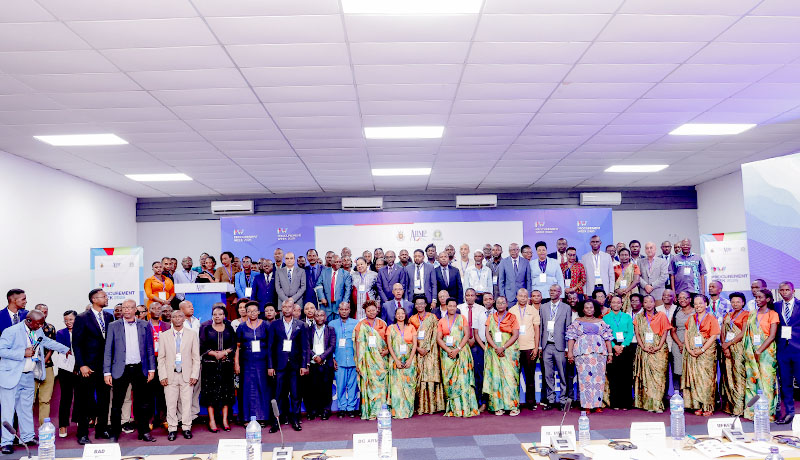
The Autorité de régulation des marchés publics (ARMP), in in partnership with the United Nations Development Programme (UNDP) in Burundi, organized the third edition of the Public Procurement Week from August 25 to 28, 2026, in Bujumbura. This significant event, a cornerstone for advancing public sector efficiency, convened stakeholders in the nation's capital. The event focused on 'New procedures and new typologies of public procurement: evolution of regulation in the era of dematerialization', a theme chosen to reflect the critical juncture at which Burundi's procurement system stands. Organizers stated the week's objectives were to strengthen "la performance, la transparence, l’intégrité et l’efficacité" of the national public procurement system. This initiative aimed to enhance the efficiency and integrity of public purchasing processes within the country, fostering a more strong and accountable framework for government expenditures. The overarching goal was to ensure that public funds are utilized optimally, contributing directly to national development objectives.
Digitalization Drives Procurement Reform
The context for this edition of Public Procurement Week encompasses the decentralization and deconcentration of public services, alongside a significant acceleration of digitalization within Burundi's administrative framework. These parallel developments are shaping the future landscape of public administration and service delivery across the nation. Digitalization, specifically electronic procurement, is being championed as a primary reform capable of eliminating up to 90% of common shortcomings or errors in procurement processes. This ambitious target shows the government's confidence in technology as a powerful tool for systemic improvement. This push towards digital transformation is central to the country's efforts to modernize its public purchasing system, aiming to bring it in line with international best practices and enhance its overall effectiveness. The integration of digital tools is expected to streamline operations, reduce manual errors, and provide a more transparent audit trail for all transactions.
A full revision of the Public Procurement Code is currently underway to further institutionalize these reforms and embed the principles of digitalization within the legal framework. This revision includes plans for the establishment of provincial directorates dedicated to public procurement, a move designed to decentralize procurement oversight and bring it closer to regional needs. Additionally, the updated code will provide for the creation of provincial commissions tasked with the conciliation of public procurement disputes, aiming to streamline resolution processes at a localized level and reduce bottlenecks at the national level. These structural changes are designed to support the broader digitalization agenda by enhancing oversight and efficiency across all administrative tiers involved in public purchasing. The reforms are expected to significantly improve the integrity and transparency of public expenditures, ensuring greater accountability in the management of public funds. The new framework will also emphasize the importance of competitive bidding and fair access for all qualified suppliers.
Addressing Systemic Challenges
Despite ongoing efforts, persistent challenges within Burundi's public procurement system continue to demand attention. These include corruption, which erodes public trust and diverts resources, extended contractual delays resulting from poor contract management, and a general lack of transparency in various stages of the procurement cycle. The system has also faced criticism regarding the abusive use of derogative procedures, specifically 'gré à gré' (direct agreement) and 'entente directe' (direct understanding). These practices bypass standard competitive bidding processes, raising concerns about fairness, value for money, and the potential for undue influence. The denunciation of these derogative procedures notes a commitment to fostering a more competitive and open procurement environment.
Officials have advocated for strategies to reduce procedural delays without compromising essential principles such as transparency, competition, and the quality of acquired goods and services. This delicate balance is key for maintaining public confidence and ensuring effective resource utilization. A public contract is considered successful when its expected results are achieved within the stipulated deadline, budget, and required quality standards. This definition shows the need for efficiency and effectiveness in procurement operations, moving beyond mere compliance to focus on tangible outcomes and value for money. The emphasis on achieving specific results within defined parameters reinforces the government's commitment to performance-based procurement. By addressing these systemic issues, Burundi aims to build a procurement system that is not only efficient but also equitable and resistant to malpractices.
Ministerial Vision and International Participation
Alain Ndikumana, the Minister of Finance, Budget, and Digital Economy, emphasized the government's focus on tangible outcomes, stating that state performance is measured by what it achieves with mobilized resources, rather than solely by the act of resource mobilization. This perspective shifts the focus from inputs to outputs, noting the importance of effective implementation and results. Ndikumana noted Burundi's ambition to become an emerging nation, showing the necessity to "learn to buy better" as a critical step towards this goal. This vision frames the current procurement reforms within a broader national development strategy, recognizing that efficient and transparent procurement is fundamental to economic progress and sustainable growth. The Minister's remarks showed the strategic importance of the Public Procurement Week in advancing these national objectives.
The Public Procurement Week gathered a diverse group of participants, reflecting a multi-stakeholder approach to reform. Attendees included actors from the public sector, private businesses, civil society organizations, and professional institutions. Their presence during the event provided a full platform for discussing challenges and collaboratively devising solutions. This broad representation ensured that various perspectives were considered in the ongoing reform efforts. The active involvement of these different sectors showed the collective commitment within Burundi to improving the country's public purchasing system and ensuring its benefits are widely distributed.
International attendees also contributed significantly to the discussions, enriching the dialogue with global perspectives and best practices. Delegations from several countries participated in the event, including Uganda, France, Tanzania, Kenya, Morocco, Tunisia, and the Democratic Republic of Congo. This international presence provided a valuable platform for sharing experiences, learning from diverse regulatory frameworks, and fostering regional and international cooperation in public procurement practices. The exchange of knowledge among these nations facilitated a deeper understanding of global trends and innovative solutions in the field, further bolstering Burundi's reform agenda. The participation of these countries demonstrated the growing international interest in Burundi's efforts to modernize its public administration.
Inclusivity and Future Outlook
Dematerialization efforts in public procurement are designed to enhance traceability, facilitating information access for all stakeholders. These digital advancements are also expected to improve deadline tracking, ensuring projects stay on schedule, and strengthen overall control mechanisms, thereby reducing opportunities for fraud and error. The association of women entrepreneurs in Burundi has set an ambitious goal to elevate their participation in public procurement processes to a minimum of 17% by 2027. This target reflects a broader commitment to gender equality and economic empowerment, seeking to ensure that women-led businesses have equitable access to government contracts.
Alain Ndikumana, the Minister of Finance, Budget, and Digital Economy, further advocated for improved access to public procurement for businesses, specifically mentioning Small and Medium-sized Enterprises (SMEs). This emphasis on SMEs recognizes their vital role in job creation and economic development, aiming to integrate them more effectively into the public supply chain. By fostering a more inclusive procurement environment, Burundi seeks to leverage the full potential of its private sector, driving innovation and competition. The reforms are not merely about efficiency but also about creating a fairer and more accessible system that benefits a wider range of economic actors. The continued focus on digitalization, coupled with inclusive policies, positions Burundi to achieve a modern, transparent, and highly effective public procurement system, essential for its journey towards becoming an emerging nation.