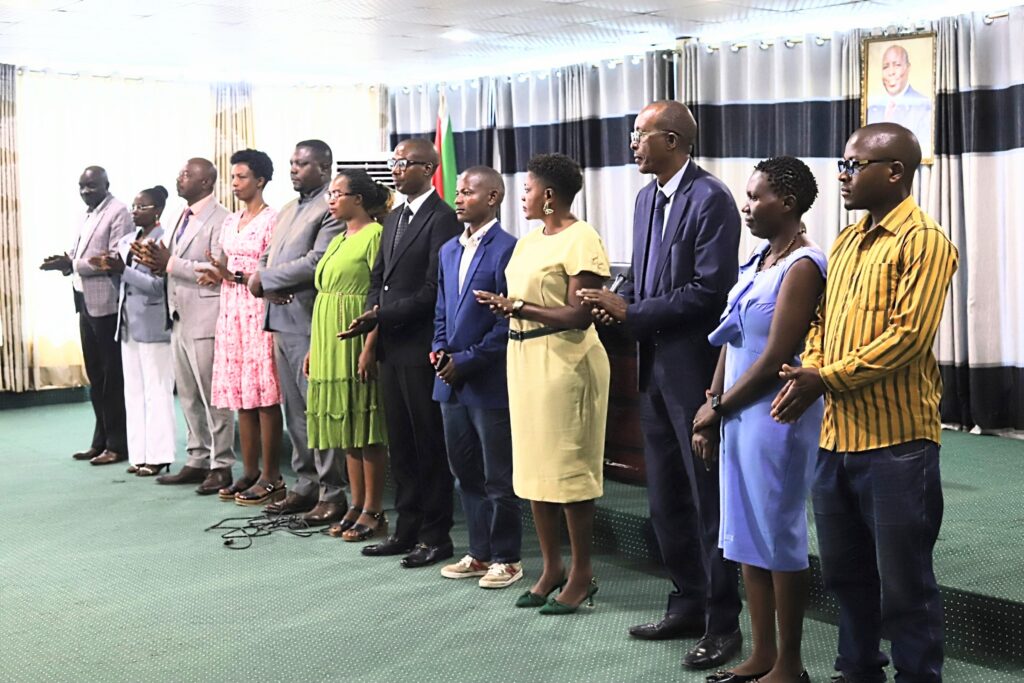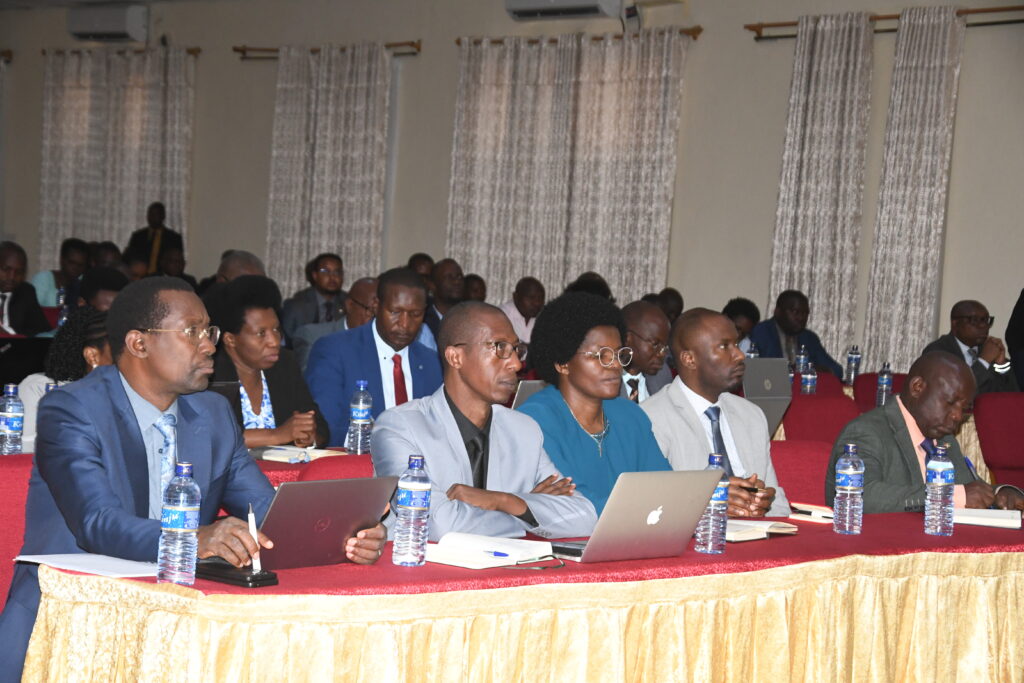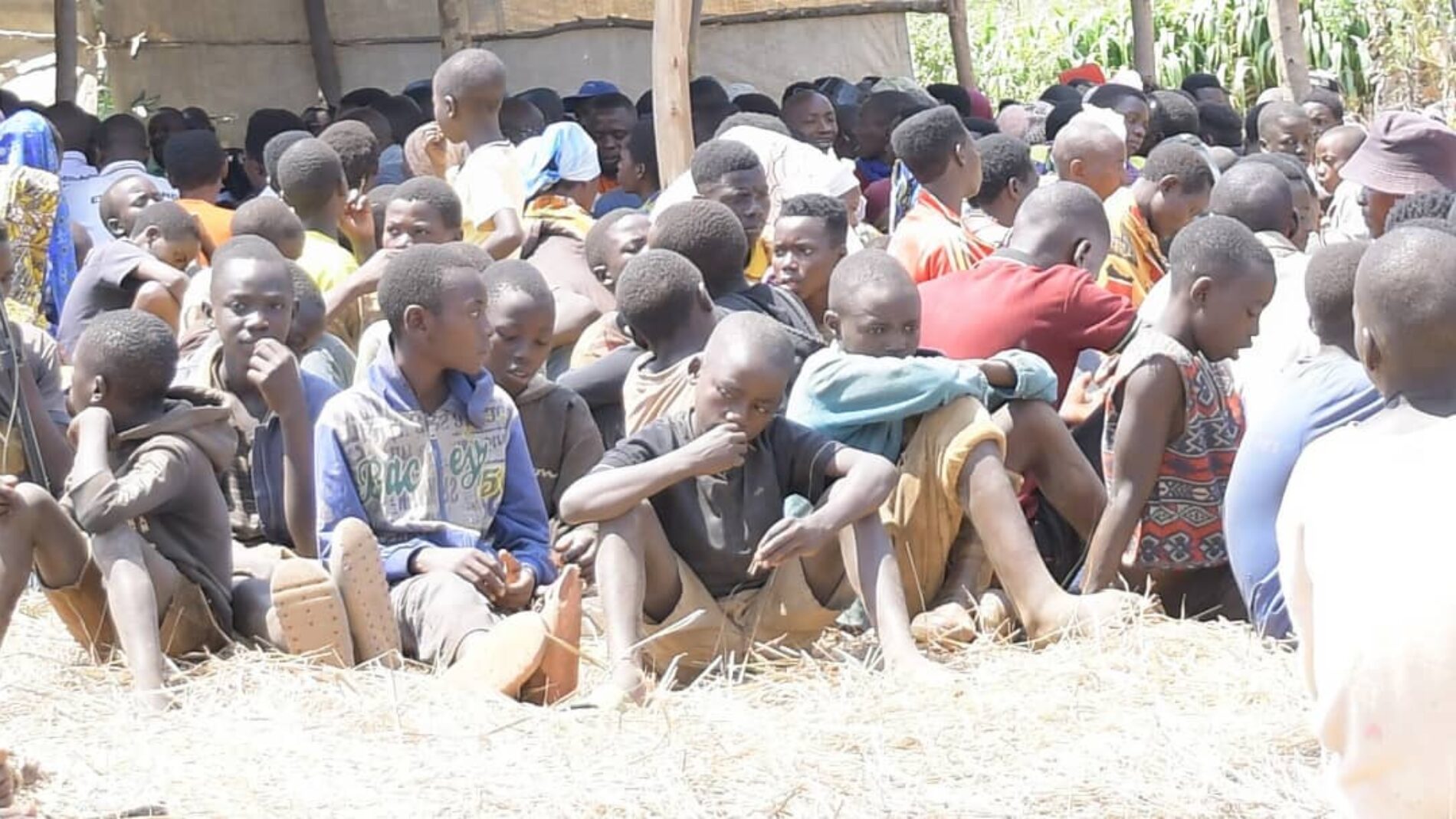
The Burundian Office for Employment and Labor (OBEM) recently organized a two-day training session in Ruyigi, Burundi, aimed at fostering entrepreneurship among local youth, women, and Batwa communities. The training, held as of June 17, 2026, sought to equip participants with skills to launch and manage businesses, providing foundational knowledge for establishing and operating small enterprises. However, participants at the Ruyigi event stated that many entrepreneurial projects stall at the idea stage due to a critical lack of starting capital and limited access to credit. This challenge reportedly hinders the transition of business concepts into viable ventures, preventing promising ideas from ever reaching implementation.
Barriers to Entrepreneurship
Silvère Singwabiye, Director of the Employment and Training Observatory at the Office burundais de l’emploi et de la main-d’œuvre (OBEM), encouraged participants to develop skills and utilize information and communication technologies (ICTs) to create economic opportunities. He emphasized the potential of digital tools to bridge gaps and connect entrepreneurs to markets. However, significant infrastructural challenges exist that impede this advice, particularly in rural areas. In many areas of Buhumuza, for instance, electricity remains largely inaccessible, presenting a fundamental barrier to operating modern businesses. Internet connection is prohibitively expensive for many, and essential digital equipment is beyond the financial reach of many households. These factors create substantial hurdles for individuals attempting to leverage digital tools for business development and growth, effectively isolating potential entrepreneurs from key resources.
Participants at the Ruyigi training session articulated a clear need for concrete measures from authorities to address these systemic issues. They specifically requested improved access to financing, which they identified as a primary obstacle to launching and scaling businesses. Beyond capital, they called for the implementation of adapted support programs tailored to their specific needs, recognizing that a one-size-fits-all approach is often ineffective. Crucially, they also demanded substantial investments in both digital and energy infrastructure, noting these as foundational elements for economic development. Such interventions are deemed essential for transforming entrepreneurial aspirations into viable businesses, particularly for youth, women, and Batwa communities who often face compounded disadvantages.
Marginalized Groups' Struggles
Women heads of households in Burundi frequently experience economic precarity, gender-based violence, and discrimination, creating a complex web of challenges. These individuals often shoulder heavy family responsibilities, which significantly limit their access to income-generating activities and the time available for entrepreneurial pursuits. Marie Claire N. From the former Butezi commune, illustrated this challenge firsthand, stating she is a single mother of four children and finds stable employment almost impossible due to her caregiving duties and the scarcity of suitable opportunities. Her situation reflects the broader struggles faced by many women attempting to navigate economic hardship while supporting their families.
Members of the Batwa community face distinct obstacles that further exacerbate their economic marginalization. Many reported learning about available opportunities too late or not at all, missing key deadlines for applications or training programs. This lack of timely information, combined with insufficient material means, prevents them from benefiting from initiatives designed to support their economic advancement. The Batwa are widely considered the most marginalized minority group in Burundi, enduring low access to education, which limits their skill development and future prospects. They also face significant difficulties in professional integration, often being overlooked for jobs, and a critical lack of arable land, which hinders agricultural livelihoods. They contend with persistent discrimination across various aspects of daily life, from social interactions to access to public services, cementing their position at the fringes of society.
Official Response and Criticism
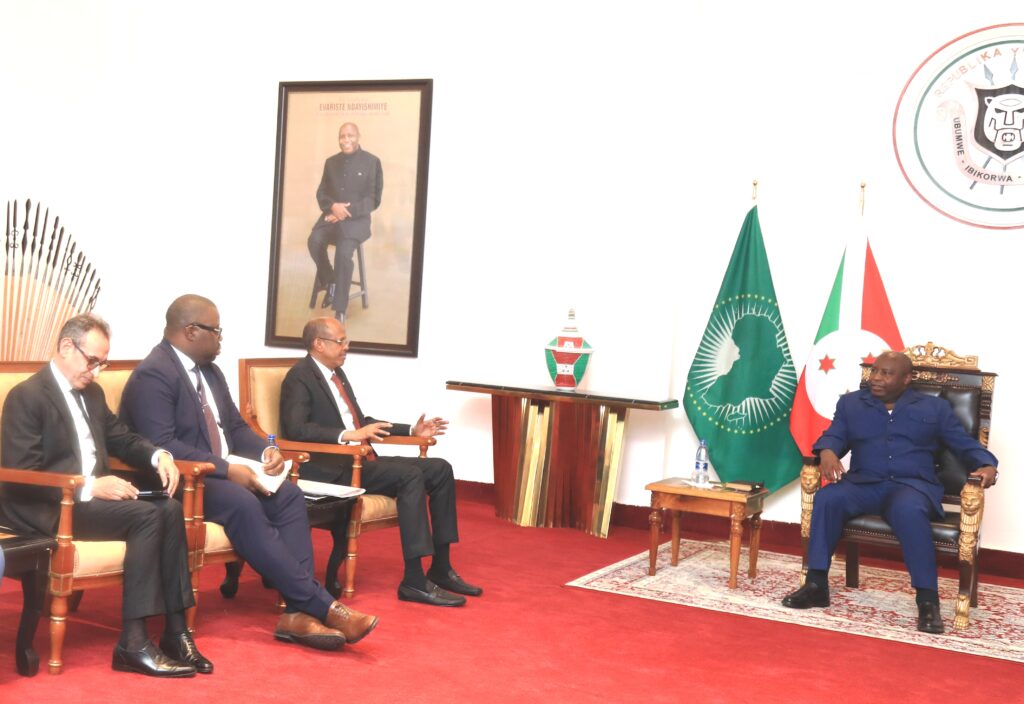
The Conference of Catholic Bishops of Burundi has publicly denounced the deterioration of living conditions across the country, noting growing concerns among the populace. Their statement pointed to a significant brain drain, as skilled individuals seek opportunities elsewhere, further depleting national human capital. They also criticized the rising cost of living, which places immense pressure on household budgets, and persistent shortages of essential goods within the country. In response to these criticisms, President Évariste Ndayishimiye accused some religious leaders of attempting to "politiciser la pauvreté" (politicize poverty), suggesting their motives were driven by political agendas rather than genuine concern. He further stated that these leaders were trying to "huer l’État" (hound the State), implying an attempt to undermine the government's authority and efforts. The President's remarks suggest a deep disagreement with the religious leaders' assessment of the nation's economic and social challenges, framing their concerns as politically motivated rather than an objective commentary on the state of affairs for Burundian citizens.