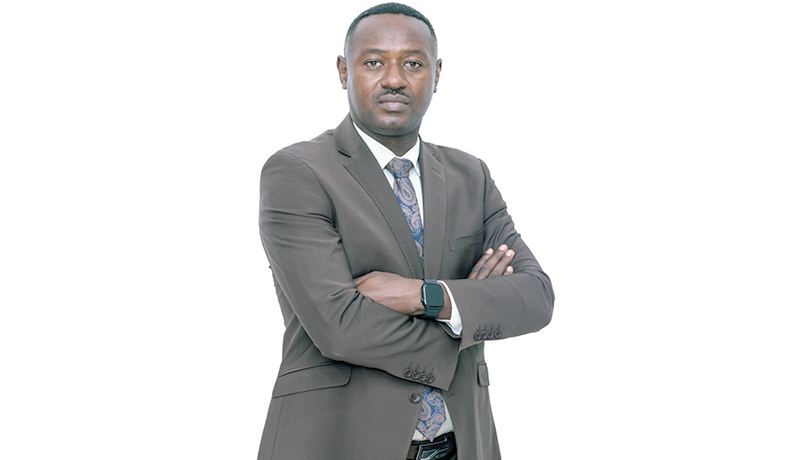
Burundian candidate Jacques Nshimirimana reflected on his recent bid for a seat on the United Nations Human Rights Committee, expressing both disappointment and pride despite not securing a position. His campaign, a first for Burundi in this specific electoral context, has provided valuable insights for future international engagements.
A Campaign Against Odds
Jacques Nshimirimana, who was the youngest candidate in the election, received 67 votes from the 175 voting states, finishing 10th out of 16 candidates. He described his feelings as a "double sentiment" following the results. "There is the immediate disappointment, of course — one runs to win, not to achieve an honorable score," Nshimirimana said. "But there is also a quiet pride. Sixty-seven states chose to trust me, even though my country was presenting itself for the first time in this type of election, without an experienced diplomatic network for this kind of exercise, without continental endorsement." This outcome, while not a victory, demonstrated a significant level of international recognition for his individual candidacy and for Burundi's emerging role on the global stage.
He added that this number served as a signal that "there is a possible place for Burundi in these spaces." Nshimirimana explained that his campaign was one "of conviction, not a campaign of mandate," noting the grassroots nature of his efforts compared to candidates with established institutional backing. This approach required a more direct and personal engagement with various delegations to convey his qualifications and Burundi's commitment to human rights.
In the final hours before the vote, a document was distributed to delegates mentioning only two African candidacies as 'endorsed by the UA'. Nshimirimana recalled receiving the document "with a certain stupéfaction," noting that it was based on an October 2024 decision for a 2026 renewal. He stated that distributing it at that precise moment "created confusion in the minds of some delegations," potentially influencing voting decisions and adding an unexpected challenge to his already resource-constrained campaign. The timing of this distribution, just as states were finalizing their choices, showed the complex and often politically charged environment of international elections.
Lessons Learned and Future Aspirations
Jacques Nshimirimana pointed to the lack of official support from the African Union as a key lesson from his campaign. He emphasized the importance of securing such backing in future bids for international positions, recognizing the significant advantage it provides in consolidating regional votes and diplomatic leverage. Nshimirimana noted that without a continental endorsement, campaigning required more individual effort to build trust and demonstrate capability to diverse delegations. He explained that a significant aspect of his campaign involved clarifying Burundi's position and his own qualifications directly to various states, often without the institutional advantages enjoyed by candidates with formal regional support. This experience, he indicated, provided valuable insights into the dynamics of international electoral processes for countries navigating these systems for the first time, particularly concerning the critical role of regional endorsements. For future aspirations, he believes this initial effort lays groundwork for greater recognition and understanding of Burundi's potential contributions to global human rights discourse. The challenges faced have only strengthened his resolve to pursue these goals.
Building Burundi's International Presence
Jacques Nshimirimana plans to seek election again in 2028. This upcoming attempt follows his initial bid for a seat on the United Nations Human Rights Committee, where he secured 67 votes from 175 voting states, a commendable performance for a first-time candidate from Burundi. Nshimirimana's continued aspiration shows Burundi's commitment to strengthening its presence in international human rights bodies and contributing meaningfully to global dialogue on human rights issues. His first campaign, which he described as one of "conviction" rather than "mandate," provided valuable insights into the dynamics of such elections and the strategic importance of early and sustained diplomatic engagement. Acknowledging the challenges faced without formal continental endorsement, his future strategy will likely incorporate lessons learned from this experience, focusing on building broader alliances and securing key endorsements. The 2028 bid represents a further step in Burundi's efforts to contribute to global human rights discourse and establish its role on the international stage, building upon the foundation laid by this initial, pioneering campaign.