Tensions remain high among Burundian nationals residing in Nairobi, as the Kenyan government initiated a 90-day period for affected foreigners to regularize their documentation. This directive, which commenced recently, requires individuals to update work permits, immigration documents, licenses, and business registrations. The measure impacts Burundians and other foreign nationals operating within the Kenyan capital, prompting concerns over compliance and potential repercussions for those unable to meet the deadline. The 90-day window aims to streamline foreign resident status across various sectors, ensuring that all foreign nationals engaged in various activities within Kenya are properly documented and operating within the legal framework. This move by the government is part of a broader effort to formalize economic activities and ensure regulatory adherence among the foreign population.
Embassy Tensions Erupt Amidst Documentation Scramble
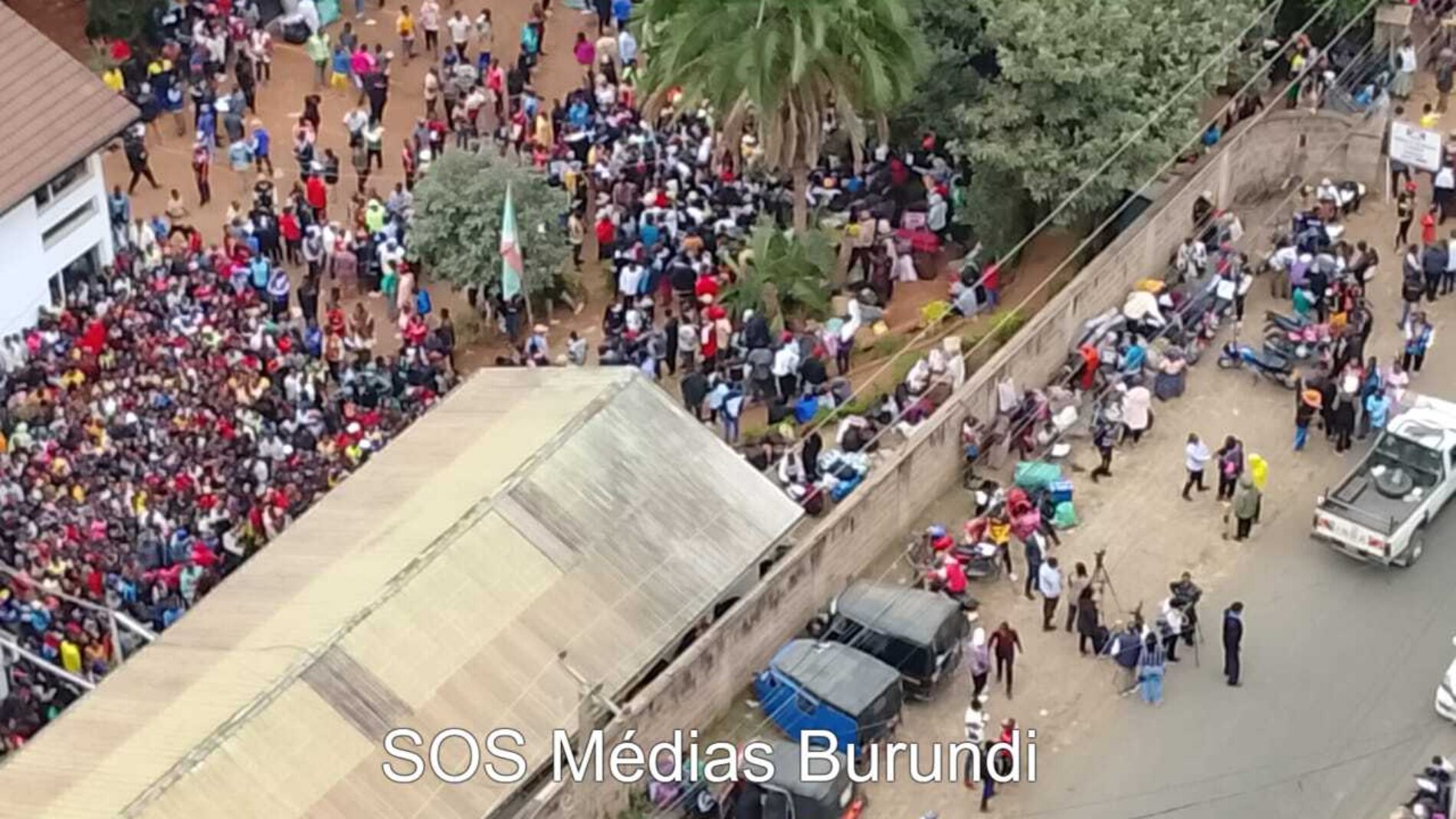
On Monday, September 14, 2026, Burundian nationals were dispersed by tear gas in front of their embassy in Nairobi while seeking travel documents to return to Burundi. This incident marked a significant escalation in the ongoing challenges faced by the community. Burundian nationals had been gathering at the Burundi embassy in Nairobi since September 7, 2026, to obtain travel documents for a potential return to their home country. The urgency to secure these documents arose in the context of the Kenyan government's new directives regarding foreign nationals. Hundreds of people presented themselves at the diplomatic representation with their luggage and personal effects during this period, indicating a serious intent to leave if necessary. The situation escalated and became increasingly tense in front of the embassy on Monday, September 14, 2026, as the crowd grew larger and more restive.
Eyewitnesses reported that young individuals reportedly refused to leave the premises after embassy agents appeared, leading to a standoff. The frustration among the gathered Burundians was palpable, stemming from the perceived inability to access necessary services and the uncertainty surrounding their status in Kenya. Police were consequently obliged to intervene to disperse the crowd, utilizing tear gas to manage the situation. The embassy had announced earlier that it would not issue documents on Monday, citing agent fatigue after several days of high attendance and overwhelming demand. This announcement, rather than diffusing the situation, appeared to exacerbate the crowd's frustration, leading to the confrontation with law enforcement. No official toll of injuries or arrests from the police intervention was available on Monday afternoon, leaving many questions unanswered regarding the full impact of the incident. The events at the embassy showed the deep anxieties within the Burundian community in Nairobi regarding their future.
Kenyan Government Reassurance Efforts and New Directives
The volatile situation involving Burundian nationals seeking travel documents follows earlier statements by Kenyan President William Ruto regarding commercial activities conducted by foreigners. These statements had initially sparked concern and uncertainty among foreign communities. Kenyan officials have subsequently increased communication to reassure foreign communities in Nairobi, attempting to clarify the government's intentions and alleviate fears. The government also issued a call to avoid any threats or harassment directed at foreign nationals operating within the country, emphasizing a commitment to maintaining order and protecting all residents.
In early September 2026, President Ruto had announced specific measures aimed at foreigners engaged in small-scale commerce and street vending. These measures were perceived by some as targeting foreign informal traders, leading to apprehension within communities like the Burundians. Following this, an official from Kenya's Ministry of Foreign Affairs visited Burundians who had gathered at their embassy in Nairobi. The official provided explanations regarding the government's new measures, aiming to clarify the directives issued by the state and address misconceptions. This direct engagement was a key step in the government's strategy to manage tensions and foster understanding. These efforts by Kenyan authorities seek to address concerns among the foreign population while simultaneously enforcing new regulations on commercial activities and documentation. The overarching goal is to ensure that all foreign nationals contribute to the Kenyan economy in a structured and legally compliant manner. The government's communication strategy has focused on reiterating that the measures are about regularization and formalization, rather than expulsion, aiming to differentiate between legal compliance and discriminatory practices.
Signs of Economic Resumption and Gradual Normalization
Despite the recent tensions and the ongoing requirement for documentation regularization, some Burundians have resumed their activities in Nairobi, signaling an initial appeasement after days of heightened concern. This resumption is particularly noted in the catering and street vending sectors, which are vital for the livelihoods of many in the community. Since the previous week, various Burundian individuals had started to restart their commercial operations, demonstrating resilience and a desire to return to normalcy. This includes women operating small restaurants and selling Burundian brochettes, a popular street food. Additionally, young Burundian street vendors have returned to work on Nairobi's streets, indicating a cautious return to their daily routines.
The return to commerce by these individuals suggests a gradual normalization following recent tensions and government directives regarding foreign nationals' documentation. While the underlying issues of documentation and compliance remain, the ability of some to restart their businesses points to a degree of confidence or necessity to continue their economic activities. This cautious return to business suggests that the reassurances from Kenyan officials may be having some effect, or that the economic imperative to earn a living outweighs the lingering uncertainty for some. The vitality of these small businesses is key for the Burundian community, providing essential income and contributing to the local economy. The ongoing regularization process, coupled with these signs of economic resumption, paints a complex picture of a community navigating both compliance challenges and the practicalities of daily life in Nairobi.