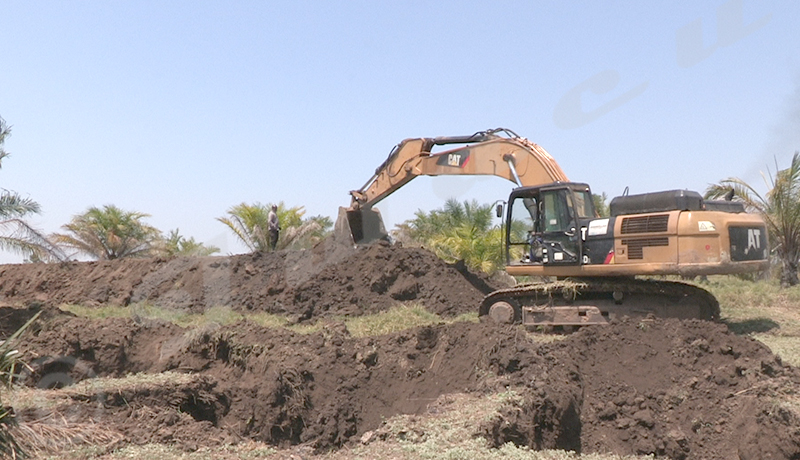
Residents of Gatumba are receiving significant flood relief through the installation of a new dike along the Rusizi River. This key infrastructure project aims to protect the community from the recurring and often devastating floods that have historically impacted the area. The construction of the dike is being carried out by Caritas Burundi, providing a tangible and much-needed solution to the environmental challenges faced by the local population. The initiative represents a proactive step towards safeguarding homes, livelihoods, and public health in a region frequently vulnerable to the river's unpredictable surges.
The installation of the dike along the Rusizi River in Gatumba is a direct response to years of community appeals and the urgent need for strong flood defenses. This project is not merely about erecting a barrier; it signifies a renewed hope for stability and security for thousands of residents who have endured repeated displacement and economic hardship. Caritas Burundi's involvement shows a commitment to humanitarian aid and sustainable development, bringing essential resources and expertise to this critical undertaking.
Years of Waiting and Local Efforts Culminate in Major Project
The newly constructed dike will stretch over 2 kilometers, providing a substantial and strategically vital barrier against the Rusizi River's often-torrential waters. This extensive length is designed to offer full protection across a significant portion of the community's riverfront. Gatumba residents have sought a protective dike since the floods began affecting their community in 2016, marking nearly a decade of persistent calls for intervention. For years, the community faced recurring displacement and extensive destruction due to the overflowing river, leading to significant losses in property, agricultural land, and public services. The memories of past inundations, which forced families to abandon their homes and seek temporary shelter, are still fresh in the minds of many.
Prior to the current project, local residents and members of the diaspora had initiated attempts to construct a dike. These grassroots efforts, born out of necessity and a deep concern for their community's future, demonstrated the strong local desire for a permanent solution. However, these noble endeavors were severely constrained by limited resources, both financial and technical, preventing the full realization of a permanent and adequately strong protective structure. The challenges included securing sufficient funding, accessing appropriate construction materials, and coordinating large-scale labor without professional oversight. The ongoing construction by Caritas Burundi addresses this long-standing need by bringing institutional support and consistent funding, aiming to provide a lasting solution for the vulnerable population. This collaborative approach marks a significant departure from previous, more fragmented attempts, promising a more durable and effective outcome.
Community Voices and Relief as Construction Progresses
The dike under construction will span a total length of 2.5 kilometers, creating an expansive and resilient protective barrier against the Rusizi River. This extended length is key for ensuring full coverage and mitigating flood risks across a wider area of Gatumba. The project, meticulously designed to mitigate flood risks for Gatumba residents, has an estimated cost of approximately 100 million Burundian francs. This substantial investment aims to provide a long-term solution to the persistent flooding issues in the area, moving beyond temporary fixes to establish enduring infrastructure. The financial commitment reflects the gravity of the problem and the anticipated long-term benefits for the community.
Between the Rusizi River and the new dike, a buffer space of about 100 meters has been strategically reserved. This significant setback is not merely an arbitrary distance but a carefully planned element of the flood mitigation strategy. This strategic placement is intended to further enhance the dike's effectiveness in managing water levels, absorbing some of the river's force, and providing an additional layer of protection from inundation for the community. The buffer zone can also serve as a natural overflow area during extreme events, reducing direct pressure on the dike itself and allowing for better water management. This thoughtful design element shows a full approach to flood control, integrating natural processes with engineered solutions.
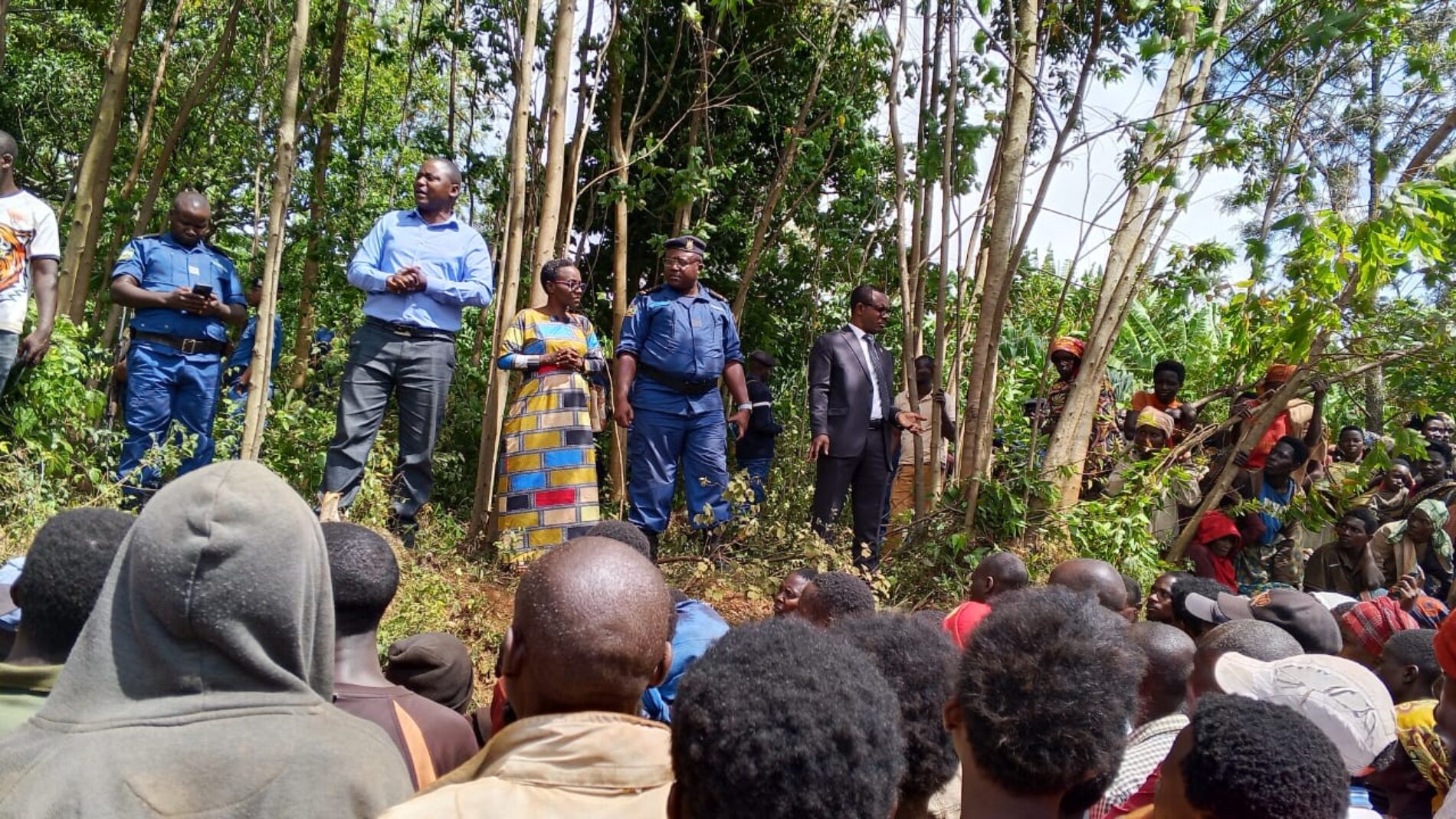
The installation of the dike represents a beacon of hope for Gatumba residents, who have long lived with the threat of displacement and economic disruption. The project is expected to bring a sense of security, allowing families to invest in their homes and livelihoods without the constant fear of impending floods. Local leaders and community members have expressed profound relief and gratitude for the progress, recognizing it as a key moment in their community's development. The involvement of Caritas Burundi has been instrumental, not only in terms of funding and construction but also in mobilizing community support and ensuring the project meets the specific needs of the affected population.
Broader Context and Future Concerns for Water Management
Beyond the immediate efforts in Gatumba, other critical water management initiatives are underway in neighboring regions, noting a broader national focus on flood mitigation. For instance, in Buterere, a separate but equally vital project involves the dredging of the Kinyankonge canal. The cost for this specific project is around 80 million Burundian francs. Work is currently underway to dredge the Kinyankonge canal in Buterere, an effort aimed at improving water flow, preventing blockages, and consequently mitigating flood risks in that area. Dredging is essential for maintaining the capacity of canals, especially in urbanized zones where sediment accumulation and waste can severely impede water drainage.
However, the Buterere project faced a significant suspension due to anarchic constructions that had encroached along the canal's banks. These unplanned and often illegal structures hindered the dredging operations, making it difficult for machinery to access the canal and complicating efforts to manage the watercourse effectively. The presence of such constructions necessitated a pause in the project, noting profound challenges in urban planning, land use management, and development near key waterways. This situation shows the need for stricter enforcement of zoning regulations and greater public awareness regarding the importance of maintaining clear riverbanks and canal easements for effective flood control. The suspension also points to the broader issue of rapid, unplanned urbanization contributing to environmental vulnerabilities.
The article also mentions the potential impact of El Niño, a powerful climate phenomenon known for causing significant weather disruptions globally, including increased rainfall and flooding in certain regions. This reference suggests broader concerns about environmental factors that could exacerbate flood risks, even with the implementation of strong infrastructure projects like the new dike in Gatumba and the dredging in Buterere. The ongoing climate patterns, particularly those influenced by El Niño, present additional challenges for flood control and disaster preparedness in vulnerable areas. Historically, El Niño events have been linked to heavier-than-average rainfall in parts of East Africa, leading to heightened risks of river overflows and flash floods.
Managing these broader environmental shifts remains a critical consideration for long-term flood mitigation strategies. While local infrastructure projects address immediate and localized threats, the overarching influence of global climate patterns necessitates a more full and adaptive approach to water resource management. This includes developing early warning systems, implementing climate-resilient agricultural practices, and fostering community-level preparedness programs. The success of projects like the Gatumba dike and the Kinyankonge canal dredging will ultimately depend on their ability to withstand not only historical flood levels but also the potentially intensified and more frequent extreme weather events predicted under changing climate conditions. This holistic view ensures that current investments provide lasting protection against an evolving environmental landscape.