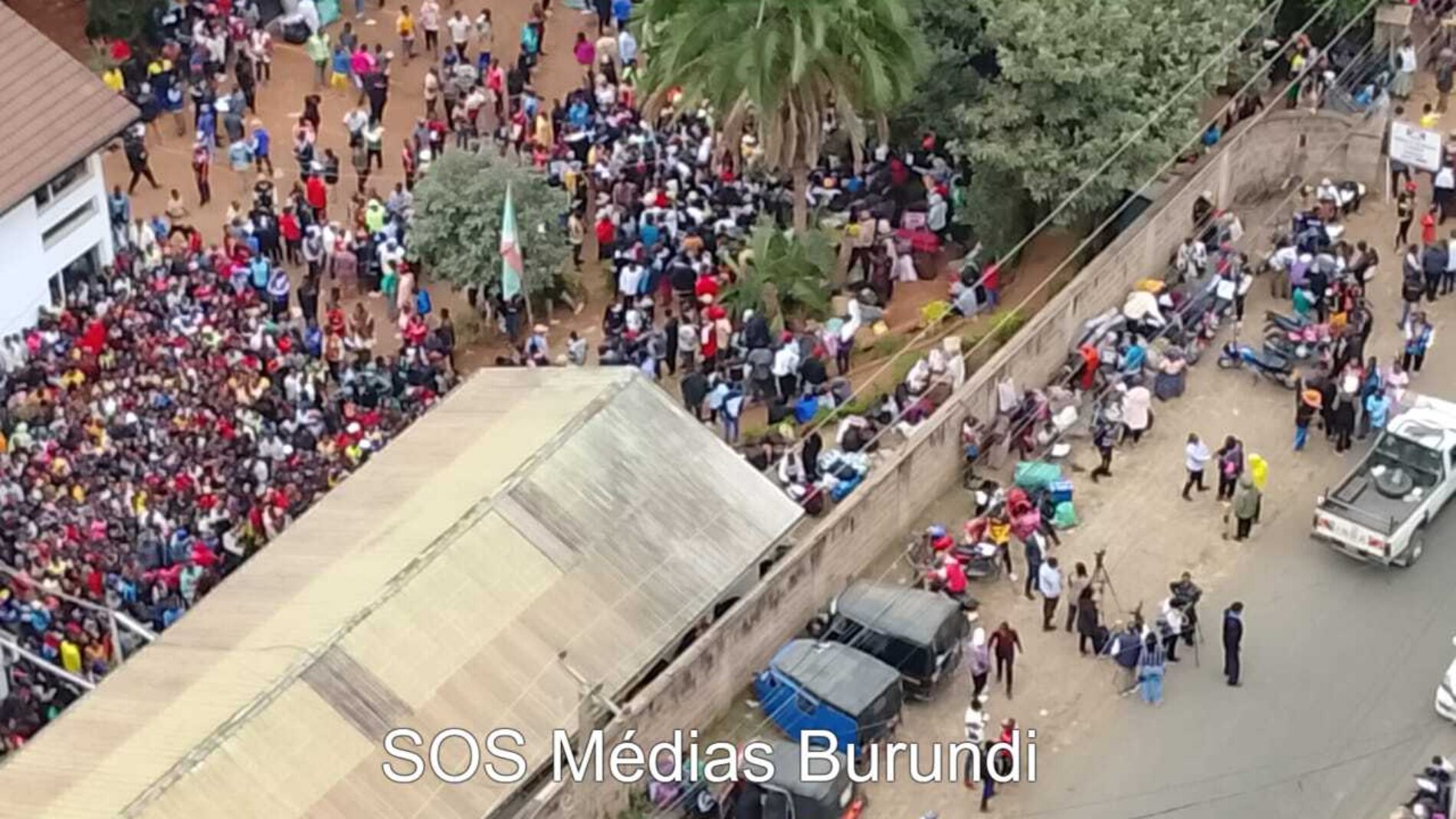
Burundian refugees residing in Kenya's Kakuma camp are expressing mounting concern following a directive by Kenyan President William Ruto. These refugees, primarily located in Kakuma camp, northwest Kenya, are experiencing growing concern over their future. President Ruto ordered the closure of small businesses operated by foreigners, a measure initially slated to begin on September 7, 2026. The new commercial restrictions are now scheduled to take effect on September 2, 2026. The UNHCR estimates that Kenya currently hosts approximately 16,000 Burundian refugees and asylum seekers, many of whom rely on small businesses for their livelihoods. The implications of this directive are particularly significant for the Burundian community in Kakuma, who have established a vibrant, albeit informal, economic presence within the camp and surrounding areas.
Economic Vulnerability and Fears
The primary fear among residents of Kakuma and Kalobeyei is that commercial restrictions and broader tensions surrounding the presence of foreign nationals will destabilize coexistence within the communities. Many refugees rely on small commercial activities and informal labor to secure their livelihoods. These activities are essential not only for their income but also significantly reduce their dependence on humanitarian aid. Without these economic opportunities, the humanitarian burden on aid organizations could increase substantially, impacting the sustainability of support programs.
Burundians in particular are active across various informal sectors, including construction, beauty salons, and small businesses. They also engage in operating restaurants, street vending, providing security services, domestic work, and working in motorcycle and tricycle transport. This diverse engagement in the local economy notes their entrepreneurial spirit and their critical role in providing essential services within the refugee community and to host populations. The potential impact of the new restrictions on these informal economic activities has generated significant anxiety among the refugee population, who see their primary means of survival threatened. The uncertainty surrounding their ability to continue these ventures has created a climate of apprehension, as many have invested what little capital they possess into these small enterprises.
Government Reassurances and Clarifications
The Kenyan government later clarified that legally established foreigners authorized to work or conduct business would not be systematically excluded from operating within the country. This statement aimed to address widespread concerns among the refugee and expatriate communities following President William Ruto's directive on foreign-operated small businesses. The initial announcement had caused considerable anxiety, particularly among Burundian refugees in camps like Kakuma, who largely depend on such enterprises for their sustenance. The clarification sought to differentiate between undocumented or unauthorized businesses and those operating within the legal framework, signaling a move towards regularization rather than outright expulsion.
Following the initial directive, the government granted foreigners a 90-day period to regularize their situation. This grace period requires individuals to ensure compliance with immigration regulations, secure appropriate work permits, and complete necessary business registration and licensing procedures. This measure seeks to formalize the economic activities of foreign nationals rather than to entirely prohibit them, according to official statements. The government's intention is to ensure that all businesses, regardless of ownership, contribute to the national economy in a regulated manner, paying taxes and adhering to labor laws. This regularization process, however, presents its own set of challenges for refugees who may face hurdles in acquiring the necessary documentation and financial resources to meet these requirements.
Authorities additionally stated they would not tolerate any threats, harassment, or xenophobic violence directed against foreign nationals. This assurance came amid fears that the commercial restrictions could fuel anti-foreigner sentiment. The government emphasized its commitment to maintaining order and protecting all residents, including those from other countries, who are living and working legally in Kenya. The 90-day regularization window is intended to provide a pathway for continued legal operation for many foreign-owned small businesses, thereby mitigating the risk of social unrest and ensuring a more orderly transition. This commitment to preventing xenophobia is key for maintaining social cohesion in areas with significant refugee populations.
Broader Context and UN Mission
Kenya's Shirika Plan aims to transform the Kakuma and Kalobeyei refugee camps by promoting socio-economic inclusion and fostering coexistence between refugees and host communities. This initiative provides a framework for integrating refugee populations more fully into the local economy and society, moving away from traditional camp-based assistance models towards more sustainable solutions. The plan recognizes the potential of refugees to contribute to local development and aims to create an environment where both refugees and host communities can thrive. The new commercial restrictions, therefore, introduce a layer of complexity to the implementation of the Shirika Plan, as they directly impact the economic activities that are central to socio-economic inclusion.
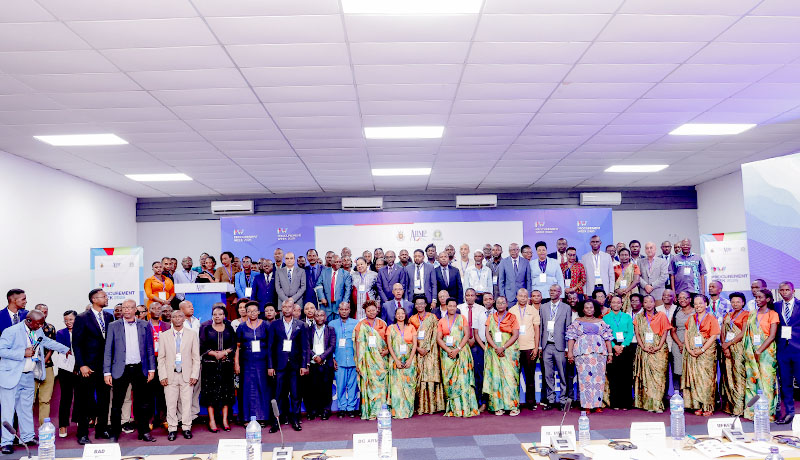
In alignment with these broader goals, a joint mission comprising 14 UN agencies visited Kakuma and Kalobeyei between September 2 and September 4. The visit aimed to assess the situation on the ground and reinforce collaborative efforts. During their time in the camps, the UN mission emphasized the importance of sustainable livelihoods for refugees. They also noted the critical need for inclusive public services that benefit both refugee and host populations, alongside promoting social cohesion to prevent potential conflicts. The mission's focus shows the international community's commitment to supporting long-term solutions that address the needs of displaced persons while also empowering local communities. The UN's presence and advocacy are vital in ensuring that policies, such as the new commercial restrictions, are implemented in a manner that protects vulnerable populations and aligns with international humanitarian principles.
Refugee Reactions and Exodus
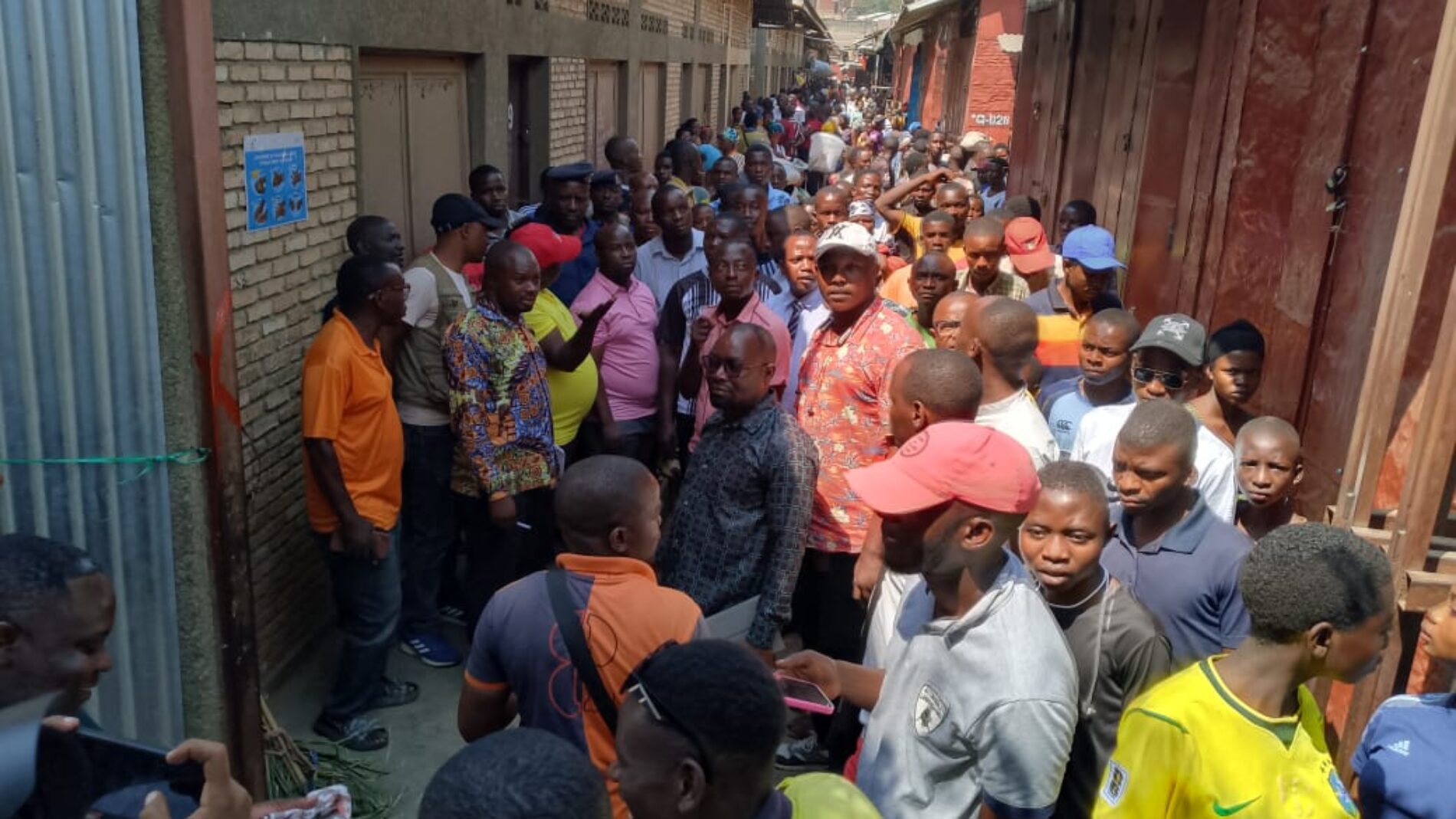
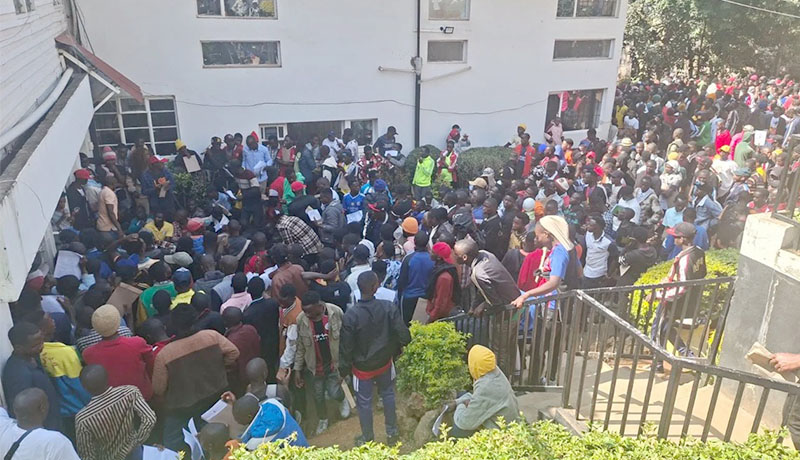
Refugees fear that economic frustrations and tensions over employment and small commerce could lead to harassment or clashes with local populations. The uncertainty surrounding their economic future has led to a palpable sense of unease within the camps. Some refugees who previously left Kakuma for Nairobi are now considering returning to the camp, perceiving it as a potentially safer or more stable environment given the new directives in urban areas. This potential internal migration notes the disruption and anxiety caused by the policy changes. Hundreds of Burundian nationals visited their embassy in Nairobi seeking travel documents, with some fearing for their safety and considering a return to Burundi. These individuals are evaluating their options in light of the new commercial restrictions, weighing the risks of remaining in Kenya against the challenges of returning to their home country. The prospect of a voluntary repatriation, driven by economic insecurity rather than improved conditions in Burundi, shows the severity of the current situation for these refugees.