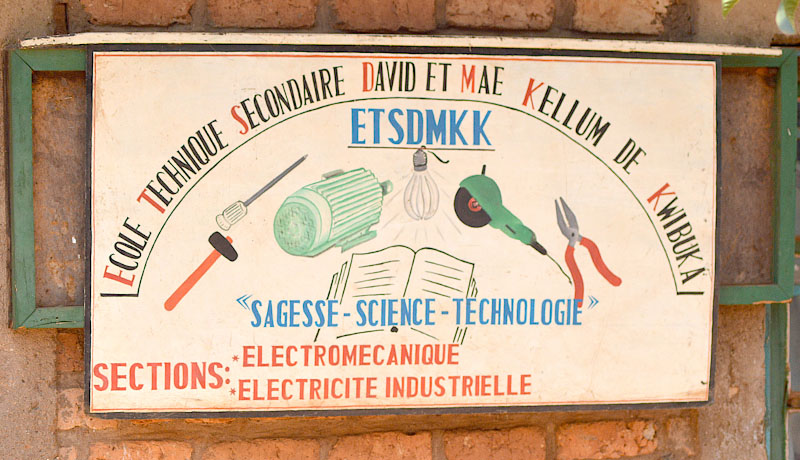
ETS David et MAE Kellum, a technical school located in the Gitega province, is grappling with a severe teacher shortage that significantly impacts its educational delivery. The institution currently employs only two permanent teachers across its various sections, a stark contrast to the seven permanent teachers required to adequately staff its two technical sections. This substantial deficit in full-time educators forces the school to rely heavily on temporary solutions. To address the immediate staffing needs, the school relies on five substitute teachers to cover the academic curriculum, attempting to bridge the gap left by the absence of permanent staff. This reliance on temporary personnel shows the depth of the staffing crisis at the school.
Financial Strain of Substitutes
The financial implications of this staffing model are considerable for ETS David et MAE Kellum. Each substitute teacher at ETS David et MAE Kellum receives 3,000 FBu per hour for their services, a rate that, while necessary to attract temporary staff, contributes significantly to the school's operational expenses. The institution's weekly expenditure for substitute teachers totals 344,000 FBu. This figure covers the collective hours worked by the five temporary educators employed to fill staffing gaps, noting the substantial financial commitment required to maintain even a semblance of a full teaching schedule.
Beyond hourly wages, the school also allocates funds for the substitute teachers' transportation. Monthly travel allowances for these educators amount to 80,000 FBu, adding another layer of financial burden. This financial commitment for substitutes represents a substantial burden on the school's budget, showing the economic impact of relying on temporary staff in the absence of permanent teachers. The fixed nature of government subsidies means they do not cover these additional expenses incurred by the school for substitute teachers, exacerbating the financial strain and limiting the school's ability to invest in other critical areas.
Disrupted Learning Environment
The school specializes in industrial electricity and electromechanics, indicating a curriculum that requires consistent and specialized instruction, often best delivered by experienced, permanent staff. As an boarding institution, ETS David et MAE Kellum already operates with limited resources, making any additional challenges particularly difficult to overcome. Each week, 147 hours of theoretical and practical courses are scheduled for students, but the lack of permanent teachers means that 106 hours per week currently lack full-time educators. This substantial deficit directly contributes to the school's reliance on temporary staff.
The reliance on temporary staff has led to significant disruptions in the educational process. Substitute teachers often dictate their hours and days based on their own schedules, which introduces instability into the timetable. This arrangement frequently results in courses being taught in the evening, after school authorities have concluded their shifts and left the premises, raising concerns about supervision and the learning environment. Students have reported constant changes in their schedules, which complicates their learning routine and makes it difficult to plan their studies effectively. They also observe that teachers appear tired, potentially affecting the quality of instruction they receive and impacting their engagement with the specialized technical subjects. The inconsistent presence of permanent staff also means that students may not benefit from long-term mentorship or consistent pedagogical approaches.
Calls for Systemic Solutions
For the two technical sections at ETS David et MAE Kellum, a total of seven permanent teachers are required to adequately staff the curriculum and ensure a stable learning environment. Currently, 106 hours per week lack full-time educators, contributing to the school's reliance on temporary staff and the associated financial and logistical challenges. The fixed nature of government subsidies means they do not cover these additional expenses incurred by the school for substitute teachers. This financial limitation exacerbates the challenge of maintaining consistent instruction and planning for long-term educational quality.
Addressing the broader issue, there are calls for a national plan focused on the massive training of technical teachers. Proponents argue that such a plan would help alleviate the systemic shortages affecting institutions like ETS David et MAE Kellum, ensuring a steady supply of qualified educators for specialized technical fields. This approach seeks to provide a long-term solution to the staffing crisis, moving beyond temporary measures and aiming to secure the future of technical education in the region. Without such systemic interventions, schools like ETS David et MAE Kellum will likely continue to face these significant hurdles in providing consistent and high-quality technical training.