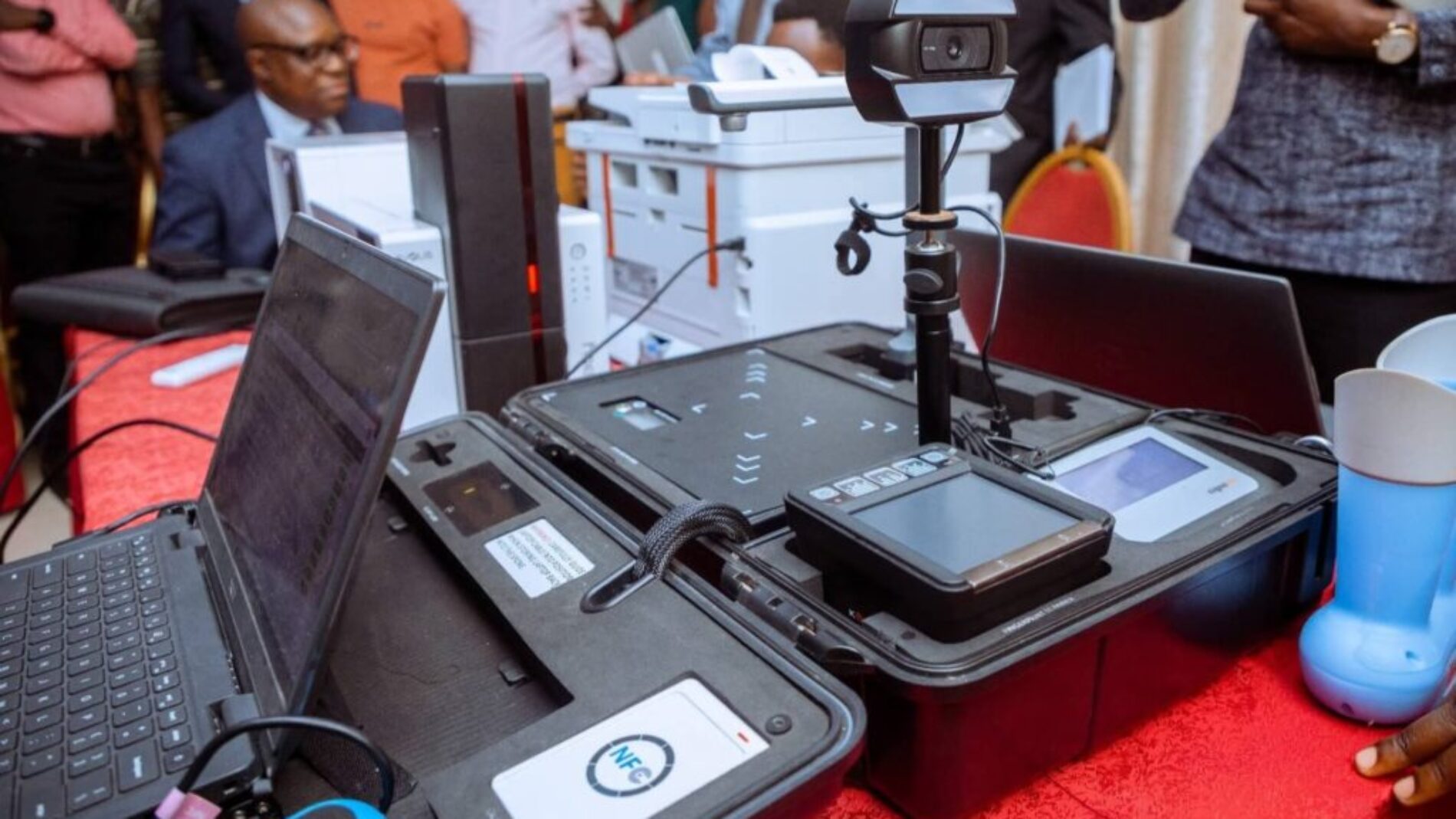
Burundi's government unveiled ambitious plans for a future biometric and digital national identity card on May 6, 2026. The new card, presented as a cornerstone of modern governance, aims to significantly enhance the security of administrative documents, combat identity fraud, and streamline citizen movement within certain African countries. This forward-looking initiative seeks to provide every citizen with a unique identification number, a fundamental element for digital identity systems. Officials have stated that the future card will be equipped with advanced biometric data, a key feature intended to bolster its security and verification purposes, making it more difficult to forge or misuse. The implementation of such a system is seen as a key step towards modernizing public administration and improving service delivery across the nation.
Infrastructure Hurdles Emerge
Despite the clear vision, a major obstacle to the project's successful rollout is the prevailing lack of electricity in several regions across Burundi. Many rural communes, which constitute a significant portion of the country's population centers, experience frequent power outages or entirely lack connection to the national electrical grid. This fundamental infrastructure gap poses a severe challenge, as biometric registration, secure data storage, and the digital card issuance process all inherently require a stable, continuous power supply to function reliably and effectively. Without consistent electricity, the deployment of registration centers and the operation of data processing systems would be severely hampered, potentially excluding large segments of the population from accessing the new identity card.
Weak internet connection presents another significant challenge for the initiative, compounding the connectivity issues. Limited or unstable network access persists in many localities, including parts of the capital city of Bujumbura, which could critically impede real-time data transfer and verification processes essential for a modern biometric system. Such an environment makes it difficult to upload biometric data, verify identities against central databases, or issue digital cards efficiently. Recognizing these substantial infrastructure gaps, the Burundian government is considering alternative solutions to address these issues. These include deploying solar energy systems to power registration sites in off-grid areas and utilizing mobile connection equipment to establish network access in remote locations. However, several observers believe these alternative measures, while helpful, may prove insufficient to fully meet the technical and logistical demands of a nationwide biometric identification project. The sheer scale of the undertaking requires strong and consistent infrastructure that current proposals might not fully provide, raising questions about the project's feasibility in its current form.
Financing and Civil Registration Gaps
Financing remains a significant concern for the project, as establishing and maintaining a national biometric system requires substantial investments. These investments span various critical areas, including the procurement of specialized equipment for data capture and processing, ensuring strong data security infrastructure, full personnel training for operators and administrators, and ongoing maintenance to keep the system operational and secure. Without adequate and sustained financial commitment, the project risks faltering before it can achieve its objectives.
In some regions of Burundi, a considerable number of citizens still lack reliable or correctly registered administrative documents, such as birth certificates or existing national identity cards. This absence of foundational documentation is key for the successful implementation of a biometric system, which relies heavily on accurate initial data capture and linkage to existing civil records. Without proper preceding documentation, the process of enrolling individuals and assigning unique identifiers becomes significantly more complex and prone to errors. Beyond logistical issues, profound concerns also exist regarding the protection of personal data once it is collected. Observers question the administration's ability to ensure the confidentiality and integrity of the collected biometric information, particularly given the sensitive nature of such data. Some analysts suggest that a solid legal framework governing data privacy and independent control mechanisms are urgently needed to prevent potential data abuses or leaks from the system, thereby safeguarding citizens' rights and trust in the new identity scheme.
Regional Context and Adoption Outlook
In a broader regional context, Burundi and the Democratic Republic of Congo are currently the only two states among the eight East African Community (EAC) countries that do not possess a biometric national identity card for their citizens. This places Burundi in a unique position within the bloc, as many of its neighbors have already embraced this technology. South Sudan, for instance, is the most recent nation in the region to have initiated the process of implementing such a system, noting a growing trend towards biometric identification across East Africa. In the Democratic Republic of Congo (DRC), where a national biometric card is also absent, the voter card currently serves as the primary identity document for the majority of its citizens, fulfilling a similar function in lieu of a dedicated national ID.
Considering the numerous challenges, including infrastructure deficiencies, financial constraints, and gaps in civil registration, the widespread adoption of Burundi's biometric identity card is anticipated to be a gradual process. It will undoubtedly require considerable time and sustained effort before it becomes a tangible reality and is fully integrated into the daily lives of the entire population. The success of this ambitious project hinges not only on technological implementation but also on overcoming deep-seated logistical and administrative hurdles to ensure equitable access and trust among all Burundian citizens.