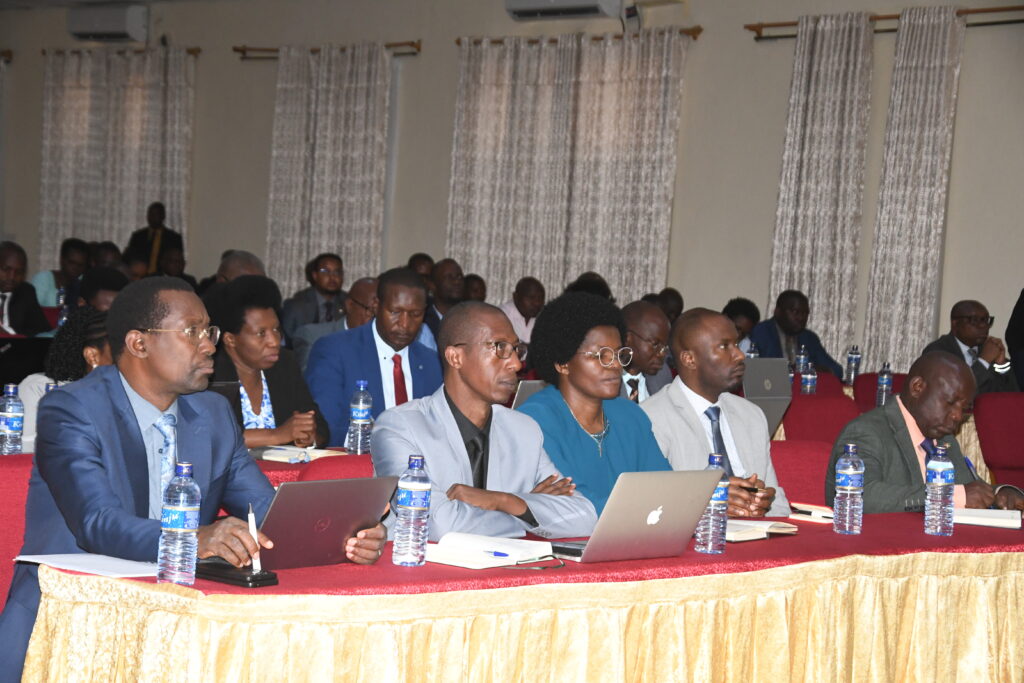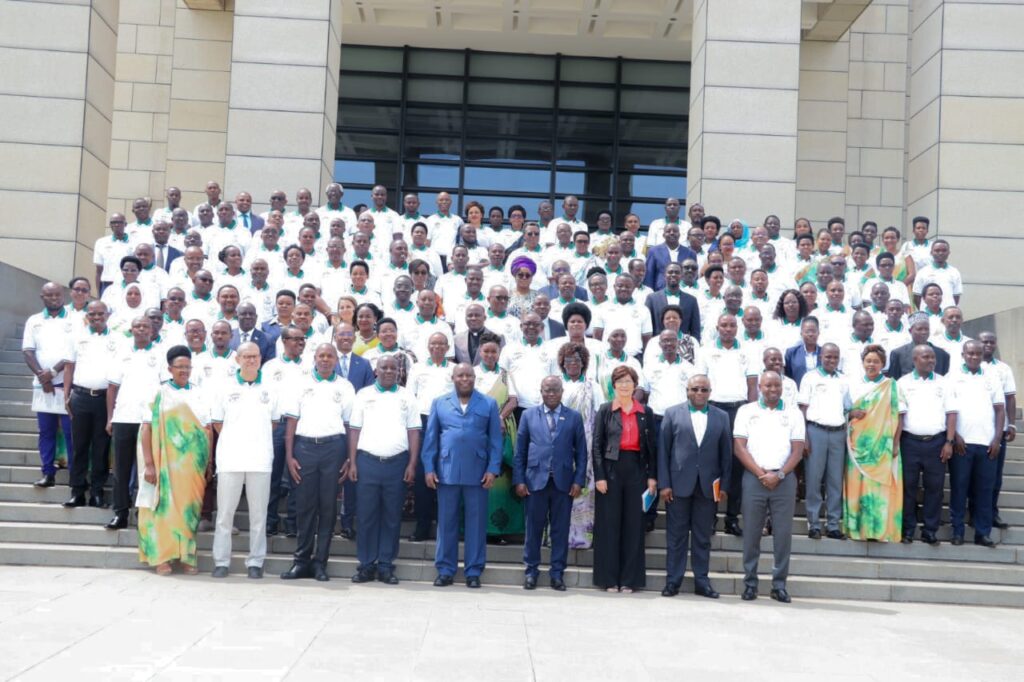
The 9th General Assembly of the CNPS (Commission nationale de la protection sociale) convened on Monday, June 15, 2026, where a key recommendation was issued. Governors of provinces and communal administrators were urged to instruct leaders of cooperatives and other associations to adhere to existing health insurance systems. This initiative aims to broaden social protection and combat poverty within Burundi. The recommendation shows the government's commitment to ensuring that a wider segment of the population has access to essential health services without facing financial hardship.
National Social Protection Policy
Burundi has adopted a new national social protection policy covering the period 2024-2033. This policy aligns with the government's long-term vision for the country to achieve emerging nation status by 2040 and become a developed country by 2060. The government stated it would continue and strengthen social protection measures targeting the most vulnerable populations. These measures include monetary transfers and labor-intensive public works programs. Additionally, the policy encompasses free basic education, healthcare coverage for mothers and children under five, and treatment for specific pathologies such as malaria, tuberculosis, and HIV/AIDS. Free healthcare for retirees affiliated with public service mutual insurance is also part of the plan, alongside the progressive improvement of retirement pensions. The full nature of this policy reflects a strategic approach to addressing various dimensions of poverty and vulnerability across different demographics.
President's Call for Solidarity
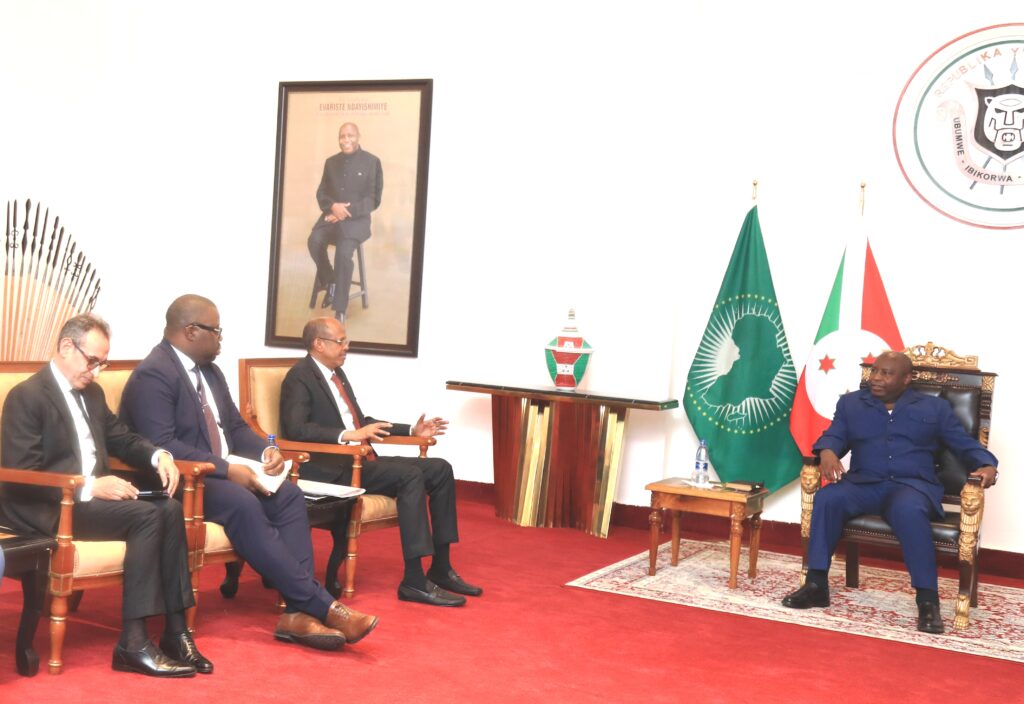
The assembly took place at the Palais présidentiel Ntare Rushatsi. President Evariste Ndayishimiye urged administrative officials to intensify sensitization efforts, encouraging the population to adopt mutual and social solidarity practices. He emphasized that collective responsibility and community-driven initiatives are key for the successful implementation of social protection programs. President Ndayishimiye acknowledged the significant contribution of private promoters and operators in implementing the national social protection policy. Their involvement, he noted, is vital for fostering innovation and expanding the reach of these critical services. He emphasized the importance of these collaborative efforts for the policy's success and for broader social welfare, noting that a multi-stakeholder approach is essential for achieving national development goals.
Broader Vision and Goals
The event was held under the high patronage of Burundian head of state and current African Union (AU) president, Evariste Ndayishimiye. His presence showed the national and regional significance of the discussions on social protection. Adherence to health insurance is intended to avert catastrophic healthcare expenses that often lead to poverty, according to the CNPS. This preventative measure is designed to protect households from financial shocks caused by illness, thereby safeguarding their economic stability. Measures are being implemented in collaboration with all commission members, Burundian citizens, and development partners to significantly reduce poverty across the country. This collaborative framework ensures that diverse perspectives and resources are mobilized towards a common objective.
President Ndayishimiye stated that the government would continue to strengthen social protection initiatives for the most vulnerable populations. "Dans le cadre de la Vision du Burundi pays émergent en 2040 et pays développé en 2060, le gouvernement du Burundi poursuivra et renforcera les mesures de protection sociale en faveur des plus vulnérables à travers les projets de transferts monétaires, les travaux publics à haute intensité de main d’œuvre (TP-Himo), la gratuité scolaire à l’école fondamentale, la prise en charge des soins de santé pour les mères qui accouchent et les enfants de moins de cinq ans, la prise en charge des pathologies particulières comme le paludisme, la tuberculose, le VIH/Sida, la gratuité des soins de santé pour les retraités affiliés à la mutuelle de la fonction publique, l’amélioration progressive de la pension de la retraite et bien d’autres," President Ndayishimiye said. This translates to the government pursuing and reinforcing social protection measures for the most vulnerable, including monetary transfers, labor-intensive public works projects, free basic education, healthcare for mothers and children under five, and treatment for specific diseases. The plan also covers free healthcare for retirees affiliated with the public service mutual insurance and the progressive improvement of retirement pensions. These initiatives are designed to create a strong safety net, ensuring that no segment of the population is left behind in Burundi's journey towards prosperity and sustainable development. The government's full strategy seeks to address the root causes of poverty and enhance the overall well-being of its citizens.